Finding the right furniture piece for a transitional zone like an entryway, a narrow hallway, or the back of a living room sofa requires balancing aesthetics with strict spatial limits. Console tables are uniquely suited to solve these layout challenges, offering a slim footprint that anchors a room without blocking high-traffic pathways. As interior design shifts toward warmer, highly functional living environments, choosing the correct console table means looking closely at how standard U.S. floor plans handle scale, circulation, and everyday utility.
Whether you are styling a compact urban apartment in a high-rise building or setting up a wide foyer in a suburban house, the right console table should seamlessly blend into your daily routine. Upcoming trends prioritize tactile materials, organic silhouettes, and clever hybrid uses that turn a simple wooden ledge into a productive mini-desk or an organized drop zone for keys and mail. Understanding these structural options helps you select a piece that delivers long-term durability and visual appeal.
Space-Saving Strategies for Compact U.S. Apartments
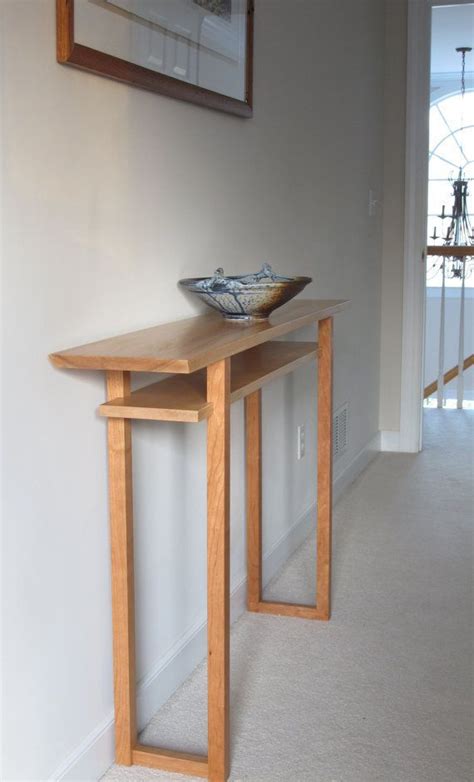
Urban apartment dwellers often face strict limitations when trying to furnish narrow entryways or compact living rooms where every square inch matters. Standard furniture items can easily crowd a floor plan, making rooms feel cramped and restricting natural traffic flow. Selecting a console table with a shallow depth—typically under twelve inches—ensures that the furniture rests flush against the wall without interfering with door swings or hallway movement.
Floating console tables mounted directly to the wall represent an exceptional solution for small-scale renting and homeownership. By eliminating physical table legs, floating designs create an uninterrupted floor plane beneath the unit, which visually expands the perceived volume of a tiny foyer. When pairing a floating ledge with a minimalist wall mirror, you instantly construct a functional landing spot that maximizes light reflection and eliminates visual clutter in tight spaces.
Statement Pieces for Spacious Suburban Foyers
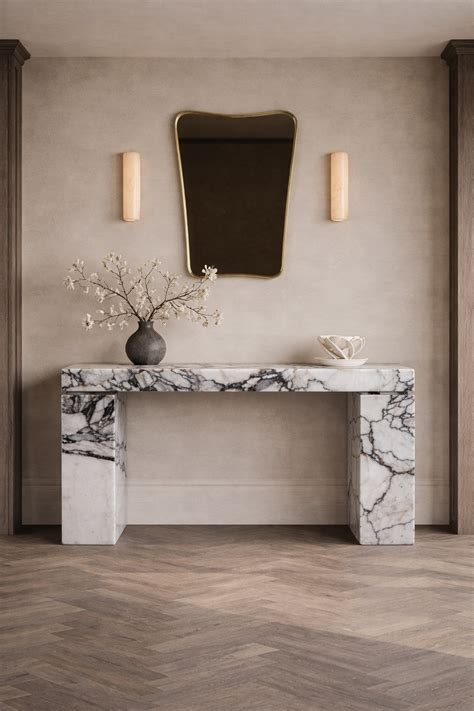
In contrast to compact apartments, suburban homes typically feature open-concept entryways and wide corridors that can easily swallow undersized furniture. Placing a delicate, skinny table in a grand foyer often leaves the space feeling unbalanced and bare. Instead, larger U.S. homes benefit from substantial statement consoles built with heavy architectural presence, robust stone tops, or intricate carved wood details that command attention upon entry.
Scale and proportion are critical design factors when furnishing an expansive suburban hallway or a large living room perimeter. A console table that spans at least sixty inches wide creates a grounding visual anchor beneath large-scale artwork or decorative mirrors. Opting for pieces with lower shelves or integrated cabinet doors provides ample hidden storage for seasonal accessories, family games, or spare electronics, keeping the primary surface clean and inviting.
Multi-Functional Designs for Modern Living
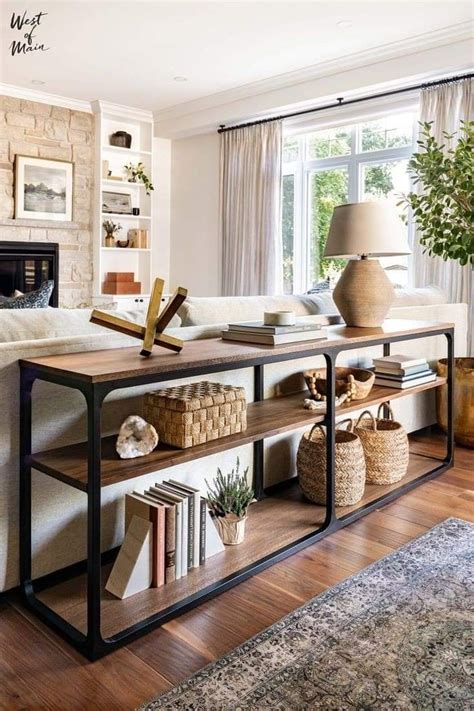
Modern residential design demands that individual furniture items perform multiple roles, especially in multi-purpose rooms and open-plan layouts. A console table frequently doubles as an impromptu workspace or a slim writing desk in homes where dedicated home offices are unavailable. Selecting a design featuring built-in shallow drawers allows you to tuck away laptops, notepads, and charging cables at the end of the workday, preserving a neat living area.
Another popular configuration involves positioning a console table directly behind a living room sofa, acting as a bridge between seating zones and open floor space. This placement creates an ideal surface for task lighting, decorative ceramic vessels, or evening reading materials while defining conversational zones within a large room. Prioritizing models with integrated power strips or cord management channels adds modern convenience without compromising the clean lines of the furniture.
Material Trends and Durability in High-Traffic Zones
Material selection dictates both the lifespan and maintenance requirements of everyday furniture pieces placed in busy entryways. Travertine, marble, and engineered stone surfaces offer striking natural texture that aligns heavily with current design trajectories, bringing organic earth tones into domestic interiors. However, porous stone requires proper sealing to prevent staining from wet umbrellas, keys, or spilled beverages dropped upon entering the house.
Solid hardwoods such as white oak, walnut, and ash continue to dominate due to their timeless warmth and exceptional structural resilience. For homes with children or pets, durable matte sealants on wood surfaces protect against everyday wear while highlighting natural grain variations. Meanwhile, sleek powder-coated steel and tempered glass combinations offer an industrial yet airy look that resists scratches and wipes clean effortlessly in high-traffic corridors.
Frequently Asked Questions
What console table styles are trending for upcoming interior designs?
Current trends emphasize organic textures, tactile materials like travertine and fluted wood, and rounded silhouettes that soften hard architectural lines in modern living spaces.
How do I choose the right console table size for a narrow hallway?
Measure your hallway width first, ensuring at least thirty-six inches of clear walking space remains. Select a console table with a shallow depth of ten to twelve inches to prevent blocking traffic flow.
Which materials are most durable for high-traffic entryways?
Solid hardwoods with protective matte finishes and properly sealed natural stones like granite or treated marble offer robust durability against daily impacts, moisture, and heavy use.
Can a console table double as a small workspace in an apartment?
Yes, many console tables feature built-in shallow drawers and appropriate knee clearance, allowing them to function effectively as compact desks for laptops and daily paperwork.


