Finding the right furniture piece for a contemporary American living room or apartment often means walking a fine line between visual appeal and everyday utility. In compact urban spaces and open-concept suburban homes alike, the search for versatile storage leads many designers and homeowners directly to the modern console. No longer restricted to a simple decorative drop-zone by the front door, today’s consoles are engineered to work harder, smarter, and cleaner.
By blending streamlined silhouettes with clever organizational features, these pieces adapt to shifting lifestyle needs. Whether you are outfitting a narrow entryway in a rental apartment or anchoring a media wall in a newly constructed suburban townhouse, understanding how to select and style a modern console can completely redefine the functionality of your floor plan.
Solving Space Constraints in Modern Apartments
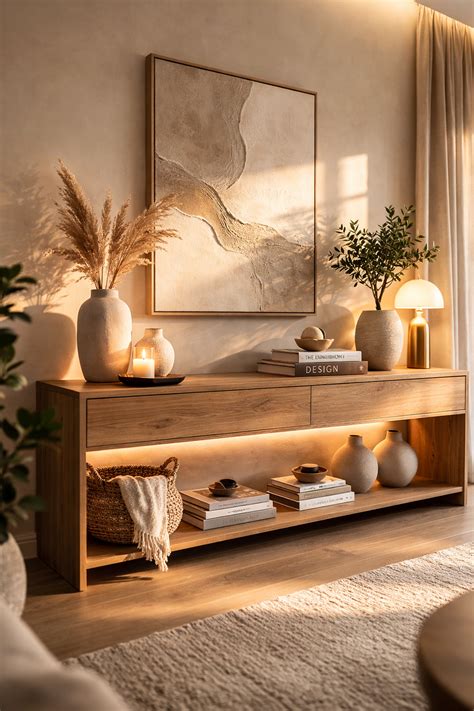
Urban apartments and modern rental properties frequently demand furniture that delivers maximum impact with a minimal physical footprint. When floor space is at a premium, a bulky cabinet or heavy sideboard can easily overwhelm a room, making pathways feel cramped and restricting natural light flow. The current wave of apartment-friendly consoles addresses this dilemma through elevated profiles, shallow depths, and visually lighter frames.
Opting for a console with slender metal legs or a floating wall-mounted design creates an uninterrupted line of sight across the flooring, instantly tricking the eye into perceiving a room as larger. Furthermore, look for pieces with sliding tambour doors or recessed handles. These mechanical details eliminate the clearance space required for traditional cabinet doors to swing outward, making them ideal for tight corridors and narrow living room perimeters.
Multi-Functional Consoles for Working and Living
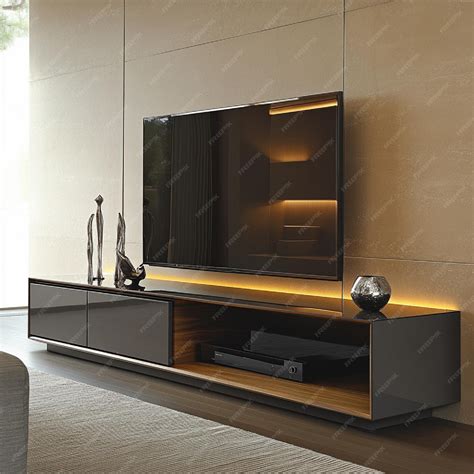
The evolution of the modern American household has turned multi-functionality from a nice-to-have feature into an absolute necessity. Many residents now require their living areas to double as remote workspaces, study zones, or entertainment hubs without looking cluttered. Modern console tables have risen to this challenge by integrating hidden drop-down desks, built-in power strips, and dedicated media management channels right into their architectural frameworks.
When evaluating a multi-functional console, consider how your daily routine intersects with your physical space. If you frequently work from a laptop in the living room, a console with a discreet shallow drawer and cord-routing cutouts allows you to pack away your workspace at the end of the day. For media storage, verify that interior shelf heights can accommodate gaming consoles, routers, and soundbars while allowing adequate ventilation to prevent electronics from overheating.
Materials, Textures, and Aesthetic Trends
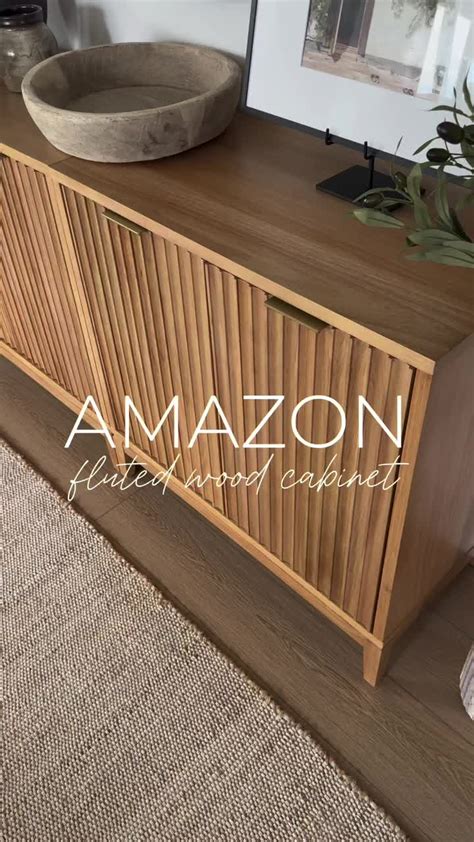
Material selection plays a defining role in how a console anchors a room’s aesthetic. Current interior design trends across the United States lean heavily into tactile warmth and organic authenticity. Finished woods like white oak, walnut, and ash remain perennial favorites for their ability to soften modern drywall and hard flooring, bringing an inviting, grounded feeling to living rooms and entryways.
At the same time, contrasting materials such as fluted glass, brushed brass hardware, powder-coated steel, and textured stone composite tops introduce a contemporary edge. When mixing these materials into an existing decor scheme, look for balance rather than exact matches. A warm wooden console paired with slender black metal accents bridges the gap between mid-century warmth and industrial minimalism effortlessly.
Sizing, Proportions, and Strategic Placement
Proper scale is the single most critical factor when integrating a console table into your home layout. Standard US living room dimensions and hallway widths require careful measurement before making a purchase. As a general rule of thumb, your console should never block natural pathways or extend past the piece of furniture it is anchored against, such as a sofa back or an accent wall.
For entryway placement, ensure there is at least thirty-six inches of clearance remaining for comfortable foot traffic. When placing a console behind a sofa, choose a model that sits an inch or two lower than the sofa back to maintain visual harmony. Standard console heights typically hover around thirty inches, matching average table heights and creating a balanced horizon line across your interior landscape.
Frequently Asked Questions
How do I choose a console table that fits a small apartment without feeling bulky?
To prevent a console from feeling heavy in a compact apartment, prioritize designs with visual breathing room. Look for pieces featuring slender legs, open lower shelving, or a floating wall-mounted construction that leaves the floor visible. Keeping the depth under fourteen inches also helps maintain clear walking paths in tight corridors and small living rooms.
What are the best materials for modern console tables in high-traffic areas?
For high-traffic zones like entryways where keys, bags, and mail are constantly dropped, durable surfaces like engineered wood with a robust protective seal, tempered glass, or powder-coated metal offer excellent scratch and impact resistance. Natural stone composites also withstand daily wear exceptionally well while adding a sophisticated textural element.
How can a console function as more than just a surface for decor?
Modern consoles often incorporate hidden features such as integrated power strips, cable management ports, pull-out writing surfaces, and modular interior shelving. These design elements transform the furniture into a functional charging station, a secondary workspace, or a clean-lined media hub that conceals routers and wires.
What height and length work best for standard US living room and hallway dimensions?
Most standard console tables range between thirty and thirty-two inches in height, which complements standard seating and entryway proportions. For length, aim for a console that spans roughly two-thirds to three-quarters the width of the wall or sofa it accompanies, ensuring balanced proportions without crowding the room.


