Creating a seamless flow between your home’s entryway and its main living spaces relies heavily on intentional furniture selection. In many American floor plans, the foyer and the living room share a visual corridor, meaning your design choices must communicate a unified aesthetic. Selecting the right tables goes beyond mere surface area; it requires balancing scale, traffic flow, and practical daily storage.
Whether you are outfitting a suburban split-level or a modern urban apartment, understanding how console tables, coffee tables, and accent pieces interact with your square footage transforms a chaotic room into a curated retreat. Focusing on thoughtful proportions ensures your living areas feel both welcoming and deeply functional.
Setting the Tone: Entryway Console Tables
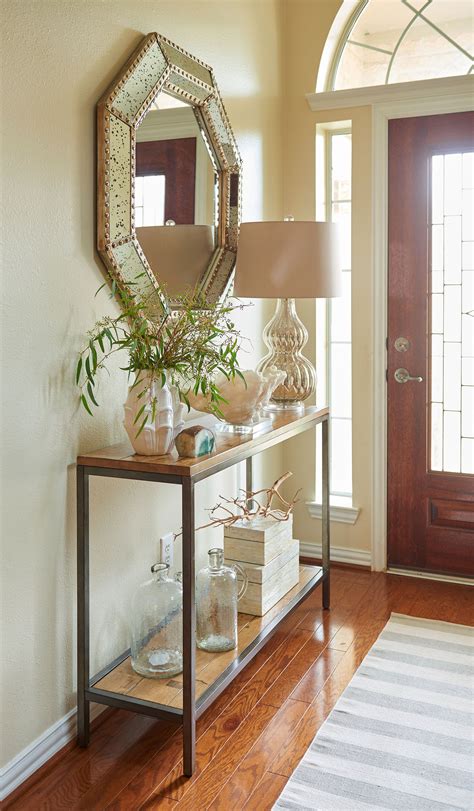
The entryway serves as the introduction to your personal design story. When selecting a console table for this transitional zone, depth is the most critical measurement. Standard hallways and foyers require a slim profile—ideally between 10 to 15 inches deep—to prevent obstructing foot traffic while still offering a functional drop-zone for keys and mail.
For open-concept layouts where the front door opens directly into the living room, a console table positioned behind the main sofa can act as a subtle room divider. This placement defines the entryway path without erecting visual barriers, maintaining an open and airy atmosphere throughout the ground floor.
Styling the Foyer Surface Without Clutter
Effective foyer styling relies on a balanced asymmetry known as the rule of thirds. Rather than cluttering the console surface with dozens of small trinkets, anchor one side with a tall vertical element, such as a sculptural table lamp or a framed mirror hung on the wall above. Balance the remaining two-thirds of the surface with a shallow decorative bowl for everyday items and a low stack of art books.
Incorporating natural elements, like a trailing pothos in a ceramic planter or a seasonal branch in a heavy vase, brings life to the entryway. Opt for closed storage options, such as drawers or a lower shelf outfitted with woven baskets, to conceal shoes, dog leashes, and stray accessories out of sight.
Balancing Style and Function in Living Room Coffee Tables
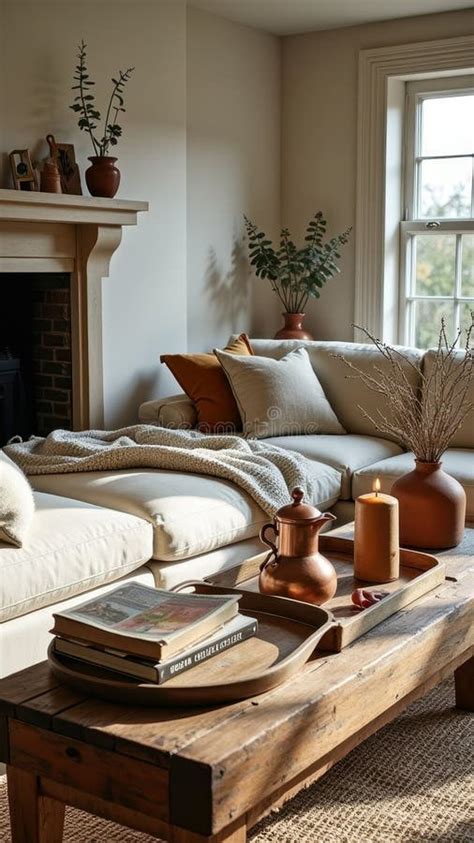
The living room coffee table anchors the entire seating arrangement, making its scale relative to your sofa paramount. A general interior design guideline is to choose a coffee table that spans roughly two-thirds the total length of your sofa, leaving a comfortable 15 to 18 inches of legroom between the table edge and the upholstery.
Height is equally crucial for daily comfort. Traditional coffee tables sit around 16 to 18 inches high, aligning closely with standard sofa cushion heights. However, if your family uses the living room primarily for casual movie nights and board games, a slightly taller table or a lift-top design can dramatically improve daily ergonomics.
Material Choices for High-Traffic Family Living
Selecting durable materials is essential for households managing children, pets, or frequent gatherings. Solid hardwoods like white oak or walnut offer timeless character and can endure years of minor bumps, while subtly hiding daily dust better than high-gloss or dark glass surfaces.
If you prefer a lighter visual footprint, tempered glass or sintered stone tops provide contemporary elegance while resisting heat and scratches. Pairing a stone-topped coffee table with a warm, brushed brass or matte black metal base introduces textural contrast that warms up modern neutral living rooms.
Layering Accent and Side Tables
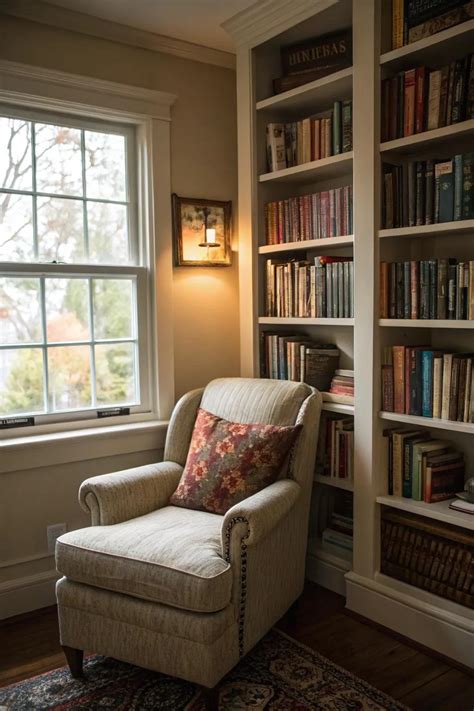
Side tables and accent stools complete your seating layout by providing necessary landing spots for reading lamps, beverages, and personal items. Rather than matching every wood tone in the room, mix complementary finishes—such as a weathered wood side table next to a leather armchair—to give the space a collected, designer-curated feel.
In tighter living rooms, nesting tables offer incredible flexibility. They can be tucked neatly out of the way during regular daily routines and pulled apart to accommodate guests during weekend get-togethers. Pay attention to height relationships: the top of a side table should sit roughly even with or slightly lower than the arm of the adjacent chair or sofa.
Frequently Asked Questions
How do I choose a console table for a narrow entryway?
Look for consoles with a shallow depth of 10 to 12 inches. Wall-mounted floating consoles are also excellent space-saving options for narrow foyers because they free up floor space and create a lighter visual footprint.
What is the rule of thumb for coffee table sizing relative to a sofa?
Your coffee table should generally be about two-thirds the length of your sofa and positioned 15 to 18 inches away from the cushions to ensure comfortable legroom and smooth traffic flow.
How can I style a living room table without cluttering the surface?
Use functional groupings based on the rule of thirds. Combine a vertical element like a lamp or vase with a horizontal anchor like a tray or book stack, leaving at least half of the tabletop completely clear for daily use.
What are the best table materials for homes with children or pets?
Durable solid hardwoods with distressed or matte finishes, heavy-duty metal bases, and textured stone or composite surfaces handle everyday wear and tear significantly better than delicate glass or high-gloss lacquer.


