A well-chosen wood console table anchors a room, bridges the gap between hallway and living space, and provides a designated drop-zone for keys, mail, and decorative accents. In many American homes, the entryway or hallway is the first impression visitors receive, making this modest piece of furniture remarkably hard-working. However, selecting the right table goes beyond simply falling in love with a stain color or a rustic edge. Success requires carefully evaluating spatial constraints, understanding the structural differences between timber types, and matching the furniture’s daily utility to your household’s lifestyle.
Navigating the vast array of available designs can feel overwhelming without a clear framework. Whether you reside in a compact urban apartment requiring a slender profile or a sprawling suburban home with an expansive foyer, finding the ideal match means balancing physical dimensions with visual weight. By examining material integrity, clearance requirements, and everyday functionality, you can invest in a wooden accent piece that serves your household beautifully for years to come.
Mastering Measurements and Spatial Planning for U.S. Layouts
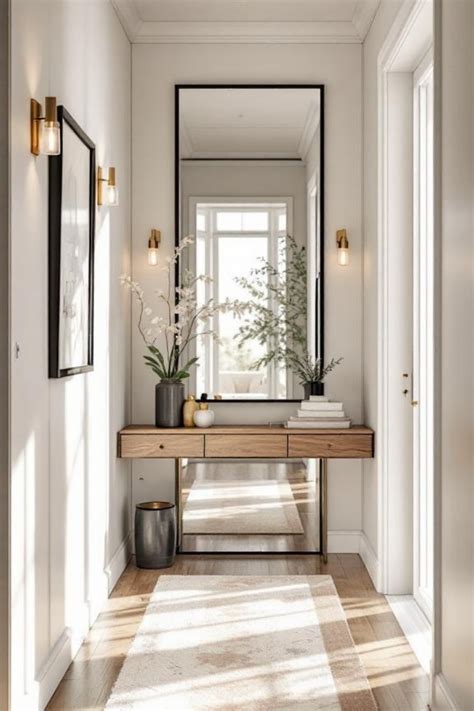
Before browsing styles or comparing wood finishes, meticulous measurement is essential. Standard American entryways and hallways typically demand a slim profile to ensure smooth foot traffic and uninterrupted door swings. A classic mistake is purchasing a console table that looks stunning online only to discover it blocks a coat closet or crowds a narrow corridor. Aim for a minimum of 36 inches of clearance around the table so walkways never feel obstructed or hazardous.
Depth is often the most critical dimension to check. While standard dining or living room tables sit deeper, a functional hallway or entryway console table usually ranges from 10 to 15 inches in depth. This slender footprint provides ample surface area for a decorative tray, a lamp, and daily essentials without projecting too far into a walking path. Additionally, consider the height of your wall outlets and baseboard heaters when verifying dimensions to ensure the furniture sits flush and safe against the drywall.
Solid Wood Versus Engineered Materials: Evaluating Durability
The material composition of your console table dictates its longevity, weight, and price point. Solid hardwoods like oak, walnut, maple, and mahogany offer exceptional durability and natural grain character that ages gracefully. These timbers withstand daily knocks from backpacks, keys, and pet tails, and they can be sanded or refinished down the road if surface scratches occur. However, solid wood is heavier and generally more sensitive to drastic humidity and temperature fluctuations common in certain American climate zones.
Engineered wood cores topped with high-quality wood veneers provide a stable, cost-effective alternative that resists warping. Veneers offer the rich look of exotic hardwoods while minimizing the risk of splitting along natural grain lines. When shopping, inspect the joinery and framing construction. Look for sturdy dovetail joints in drawers and reinforced corner blocks beneath the tabletop, ensuring the furniture can support weighted items like ceramic lamps or stacked coffee table books without sagging over time.
Balancing Open Storage and Concealed Utility
Storage requirements depend heavily on where the console table will live. In a busy front entryway, closed storage such as drawers or cabinets proves invaluable for hiding loose items like sunglasses, dog leashes, and charging cords. Keeping the surface clutter-free maintains an inviting, organized atmosphere as soon as you step through the front door. On the other hand, if the console sits behind a living room sofa, an open-shelf design or a minimalist trestle base creates an airy aesthetic that avoids making the room feel heavy or blocked off.
Consider how household members interact with the furniture daily. Families with young children or active pets should prioritize stability, utilizing wall-anchoring kits to prevent tipping hazards, particularly if heavy lamps or electronics sit on top. Open lower shelves can double as stylish storage bins for shoes or extra throw blankets, maximizing every square inch of floor space in compact rooms without sacrificing clean visual lines.
Styling Your Wood Console Table with Purpose
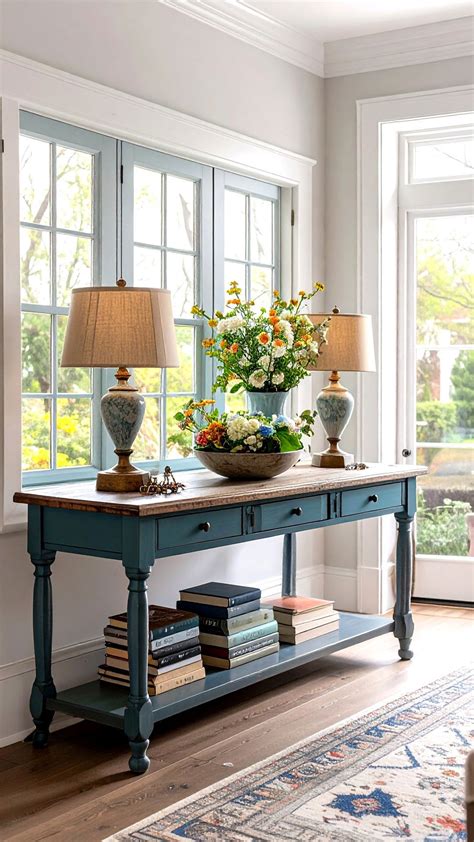
Once your console table is safely in place, styling it successfully relies on balancing height, texture, and negative space. Avoid cluttering the entire surface; instead, anchor one side with a tall vertical element, such as a framed mirror or a sculptural table lamp, to draw the eye upward. Balance this height on the opposite side with a lower cluster of objects, like a stack of art books or a ceramic bowl, keeping the middle section relatively open.
Incorporate contrasting textures to highlight the natural beauty of the wood grain. Pair smooth ceramic vases, woven baskets on lower shelves, or metallic trays with the organic warmth of timber. Seasonal updates can be as simple as swapping out a floral arrangement or adding a scented candle, allowing your entryway or living room console to evolve organically with your personal taste and changing home decor themes throughout the year.
Frequently Asked Questions
How do I choose the right size wood console table for my hallway or entryway?
Measure your available wall space and ensure you leave at least 36 inches of clear walking space around the table. For narrow hallways, look for slim profiles with a depth of 10 to 15 inches to prevent obstructing foot traffic or door swings.
What is the difference between solid wood and engineered wood for console tables?
Solid wood is made entirely from natural timber, offering superior durability, unique grain patterns, and the ability to be refinished. Engineered wood uses a stable core topped with real wood veneer, which helps prevent warping and generally comes at a more accessible price point.
How do I style a wood console table so it looks balanced?
Create visual balance by pairing asymmetrical heights. Place a tall element like a lamp or mirror on one side, a medium cluster of items such as books in the middle, and a lower decorative object on the opposite side, ensuring you leave some negative space open.
Do I need to anchor my wood console table to the wall?
Anchoring is strongly recommended, especially in homes with children or pets, or if you plan to place heavy items like ceramic lamps, electronics, or large mirrors on or above the table to prevent accidental tipping.


