Creating a polished, high-end living room often relies on the careful interaction between large anchor furniture and functional accent pieces. When designing a cohesive gathering space, pairing a well-crafted sofa with a thoughtfully chosen console table establishes both visual balance and everyday utility. Retailers like Crate & Barrel offer a diverse range of silhouettes, materials, and finishes that make this design process approachable, yet achieving a truly designer-level look requires understanding how proportions, textures, and layouts work together in a real home environment.
Whether you are outfitting an open-concept suburban home or a compact urban apartment, intentional furniture selection prevents rooms from feeling cluttered or disjointed. By analyzing how your seating intersects with auxiliary surfaces like behind-the-sofa consoles or media credenzas, you can build a layered aesthetic that feels both curated and comfortable for daily living.
Selecting Your Anchor Seating and Surface Foundations
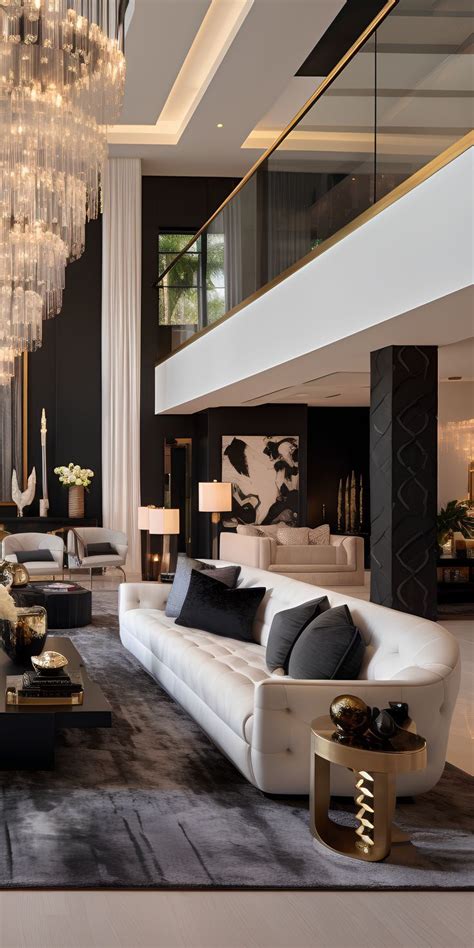
The foundation of any sophisticated living room begins with the primary sofa. Choosing the right silhouette involves balancing room dimensions with lifestyle requirements, such as selecting performance fabrics for high-traffic family spaces or structured leather for a more tailored aesthetic. Once the seating anchor is established, the companion console table should be selected to complement its visual weight rather than compete with it. For instance, a deep, low-profile sectional pairs exceptionally well with a streamlined, open-frame console table that prevents the corner from feeling heavy or visually blocked.
Material continuity is another critical consideration when bringing these pieces together in a single room. If your sofa features warm oak legs or a dark walnut base, echoing those wood tones in a console table creates an intentional, cohesive thread throughout the space. Alternatively, introducing mixed metals—such as an iron console frame paired with soft linen upholstery—adds modern architectural contrast without disrupting the serene flow of the room.
Spatial Arrangements: Placing Console Tables Behind Sofas
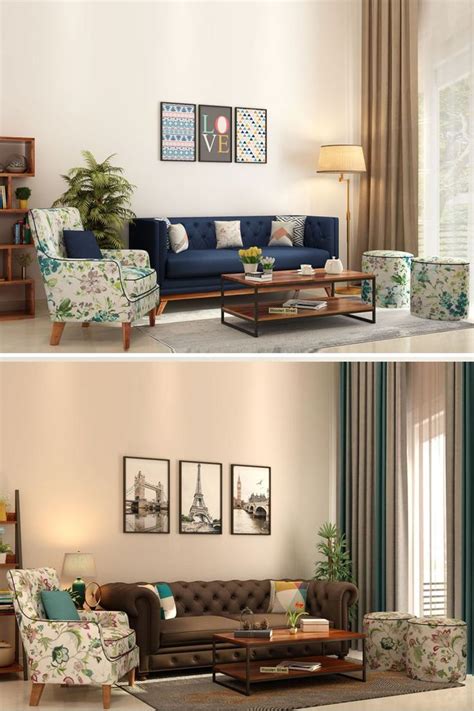
Positioning a console table directly behind a floating sofa is one of the most effective layout strategies for defining distinct zones in open-concept floor plans. This placement establishes a natural transition between living areas and adjoining dining spaces while providing a convenient surface for lighting, books, and decorative objects. To execute this arrangement successfully, ensure the console table is roughly two-thirds the length of the sofa and sits a few inches lower than the top of the sofa back for optimal visual proportion.
In smaller rooms where floating furniture is not practical, console tables can instead be placed against perimeter walls adjacent to the seating area to function as secondary display surfaces. This approach maintains unobstructed traffic pathways while still offering the styling benefits of a console. Evaluating your room’s natural focal points and walking patterns will ultimately dictate whether your console table serves as a room divider or a wall-anchored accent piece.
Layering Textures and Accessories for a Finished Look
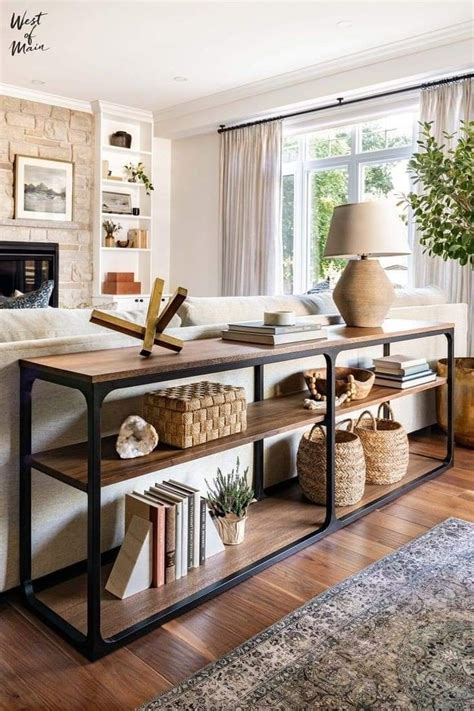
Once your sofa and console table are positioned, styling the surfaces brings the entire design concept to life. Avoid overcrowding the console table by adhering to the rule of thirds, grouping decorative elements such as ceramic vases, sculptural table lamps, and stacked art books in varied heights. Pairing a tall, slender lamp on one end of the console with a low horizontal tray on the other creates asymmetrical balance, which draws the eye naturally across the furniture arrangement.
Incorporating tactile variety is essential for preventing a staged look. Combine smooth glass or polished stone surfaces with rough organic elements like woven baskets tucked beneath the console or textured wool throw pillows on the sofa. These thoughtful details add depth and warmth, transforming a standard furniture arrangement into a deeply personal and inviting home environment.
Frequently Asked Questions
How do I choose the correct height for a console table placed behind my sofa?
Ideally, a console table should sit slightly below or flush with the top of the sofa back, typically measuring around 30 to 32 inches high. This prevents items on the table from interfering with anyone leaning back on the sofa while maintaining a balanced architectural line.
Can I mix different wood finishes between my sofa legs and console table?
Yes, mixing wood finishes can add warmth and collected character to a room, provided there is a common undertone. To keep the space feeling cohesive, ensure that both wood tones share similar warmth levels—such as pairing two warm-toned woods—and repeat one of the finishes elsewhere in the room through picture frames or accent furniture.
What is the best way to style a console table in a small living room?
In a compact living room, choose a console table with an open metal frame or glass top to minimize visual weight. Keep the surface styling minimal with a single statement lamp and a small decorative tray to avoid cluttering the space.


