A living room rug does much more than simply cover a floor; it anchors your entire furniture arrangement, introduces vital texture, and defines the visual mood of the space. In many American homes, the living room serves multiple functions, acting as a relaxed family gathering spot on weekends, a homework station, or a quiet retreat after a long workday. Selecting the right rug requires balancing these everyday lifestyle demands with proper spatial geometry and interior design principles. When you invest time in understanding sizing, material performance, and regional design trends, you can select a piece that looks stunning while withstanding daily household traffic.
Mastering Room Proportions: Size and Placement Rules
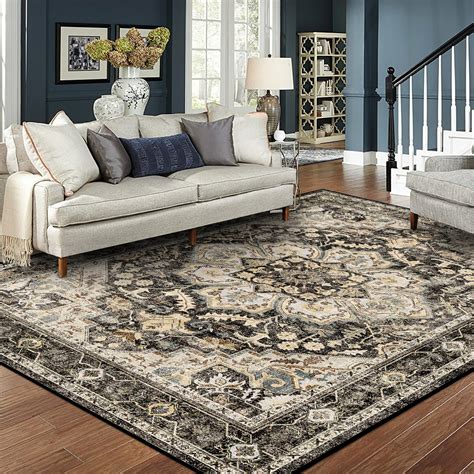
One of the most frequent mistakes homeowners make is purchasing a rug that is too small for the room, which can make the entire seating arrangement feel disjointed and cramped. For a standard open-concept or medium-sized American living room, an 8×10 or 9×12 foot rug is usually the baseline requirement. The golden rule of rug placement is to ensure that at least the front legs of all major seating pieces—your sofa and armchairs—rest comfortably on the rug. This creates a unified visual zone that visually expands the perceived boundaries of the room.
If you have a more compact living space or an apartment layout, a 5×8 foot rug can still work beautifully if positioned with the coffee table centered and the front sofa legs just grazing the edge. To visualize this before purchasing, use painter’s tape to outline the dimensions directly on your hardwood or carpeted floor. Walk around the taped perimeter to check clearance paths between your media console, coffee table, and doorways. Ensuring proper scale prevents awkward traffic bottlenecks and guarantees your furniture layout feels intentional and balanced.
Selecting Materials Based on Lifestyle and Traffic
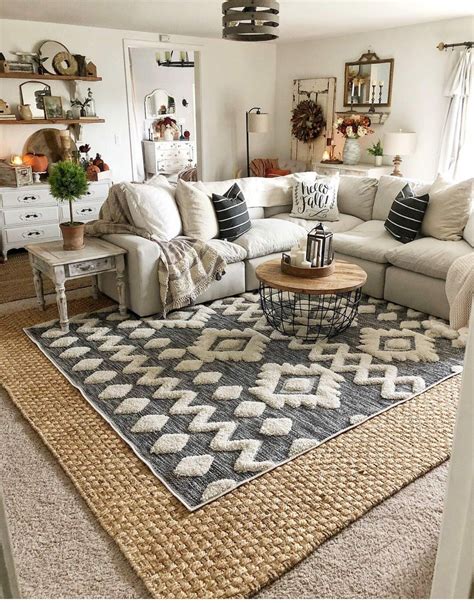
Your household dynamics should dictate your choice of rug fiber just as much as your aesthetic preferences. Wool remains the gold standard for durability, natural stain resistance, and luxurious softness underfoot. It handles high-traffic family rooms with grace, though high-pile wool rugs will naturally shed loose fibers during their first few months of use. If you have energetic pets or young children running around, synthetic blends like polypropylene or nylon offer exceptional stain resistance and can often be spot-cleaned easily with mild detergent and water.
Natural fibers like jute, sisal, and seagrass bring wonderful organic texture and coastal or rustic warmth to American interiors. However, they lack the soft cushion of wool and can feel rough under bare feet, making them better suited for lower-traffic zones or layered underneath a softer, smaller accent rug. When shopping, always evaluate how a material responds to moisture, heavy foot traffic, and routine vacuuming. Choosing the right fiber upfront prevents premature wear and tear, ensuring your investment maintains its appeal over years of daily family life.
Aligning Rug Styles with Modern U.S. Interiors
Interior design preferences vary widely across the United States, from coastal modern aesthetics in California to cozy transitional spaces in the Midwest and sleek urban minimalism in northeastern apartments. Transitional rugs, which bridge traditional motifs with clean, contemporary color palettes, offer incredible versatility and adapt easily if you decide to update your throw pillows or accent chairs later. Meanwhile, distressed vintage-look synthetic rugs provide the high-end look of an antique Persian rug without the delicate maintenance requirements or high price tag.
For homeowners drawn to a more relaxed, bohemian atmosphere, textured jute bases paired with high-contrast geometric flatweaves create instant depth and visual interest. Neutral monochromatic rugs featuring subtle high-low pile variations work exceptionally well in minimalist settings, adding tactile warmth without overwhelming the room with loud patterns. By selecting a style that complements your existing architectural features and large upholstery pieces, you establish a cohesive backdrop that brings the entire room design together effortlessly.
Frequently Asked Questions
What size rug do I need for a standard living room layout?
For most standard living rooms, an 8×10 or 9×12 foot rug is ideal because it allows the front legs of your sofa and armchairs to sit comfortably on the surface. In smaller apartments, a 5×8 foot rug can work if positioned correctly beneath the coffee table.
Should all furniture legs be on the rug or just the front legs?
Having all furniture legs completely on the rug creates a luxurious, spacious feel, but it requires a very large rug. Placing just the front legs of your sofa and chairs on the rug is a standard design practice that successfully unifies the seating group without requiring oversized dimensions.
How can I choose a durable rug for high-traffic areas?
Look for tightly woven natural wool or high-quality synthetic fibers like polypropylene and nylon. Avoid delicate silks or loose weaves in high-traffic zones like pathways between the kitchen and living room, as they wear down and stain more easily.
How do I stop my living room rug from slipping on hardwood floors?
Always use a quality, non-slip rug pad underneath your living room rug. A good pad not only prevents slipping and sliding but also adds extra cushioning, protects your hardwood floors, and extends the lifespan of the rug.


