Tackling a long, narrow living room—often affectionately called a ‘bowling alley’ layout—is one of the most common interior design challenges in American homes. Whether you live in a vintage row house, a suburban townhome, or a modern rental apartment, managing extreme proportions requires strategic planning. Instead of pushing all your furniture flat against the long walls, which only accentuates the tunnel-like feel, you can use smart zoning, scale manipulation, and clever lighting to create a balanced and inviting gathering space.
Designing this specific layout successfully means treating the space as a collection of smaller, distinct zones rather than one continuous hallway. Both homeowners and renters can utilize these seventeen creative strategies to break up visual monotony, improve foot traffic flow, and maximize every square foot without resorting to major renovations.
Mastering Furniture Placement and Zoning
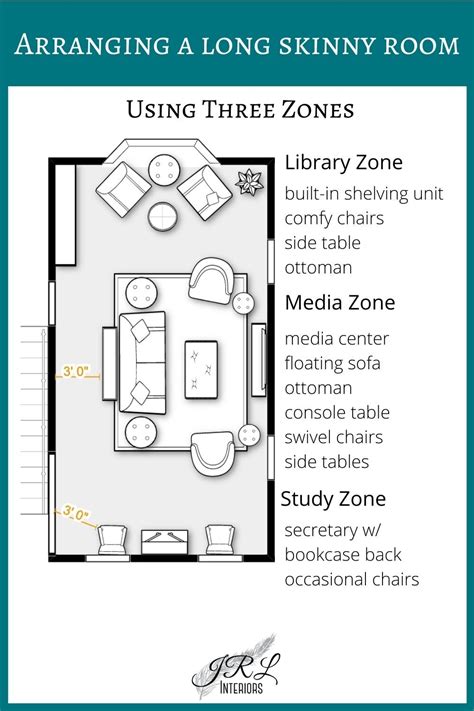
The biggest mistake people make in a narrow living room is arranging all seating in a straight line down one wall. Breaking the room into distinct conversational pods changes the geometric perception completely.
1. Create Multiple Conversational Zones
Instead of one massive sectional running the length of the room, anchor two separate seating areas. Pair a modest sofa with a couple of armchairs in the primary spot, and set up a secondary reading nook near a window with a single lounge chair and a floor lamp. This immediately stops the eye from racing from one end of the room to the other.
2. Float Your Sofa Away from the Walls
It counterintuitively feels like pushing furniture against the wall saves space, but floating your sofa or placing it perpendicular to the long wall creates a natural walkway behind it. For renters worried about awkward gaps, use a slim console table directly behind the floating sofa to anchor the piece and provide a surface for lighting.
3. Opt for Low-Profile Furniture
High backs on large sofas can visually chop up a narrow room and block sightlines. Choose low-profile sectionals, armless chairs, and sleek mid-century modern silhouettes. Lower furniture allows natural light to travel unobstructed across the entire room, making the space feel significantly wider and more open.
4. Use Round Coffee Tables Instead of Rectangular Ones
Rectangular coffee tables reinforce the linear geometry of a narrow room. Swapping them out for a round or oval coffee table softens the harsh angles and opens up diagonal pathways for your feet and legs, improving overall traffic flow around the seating cluster.
Visual Illusions and Color Strategies
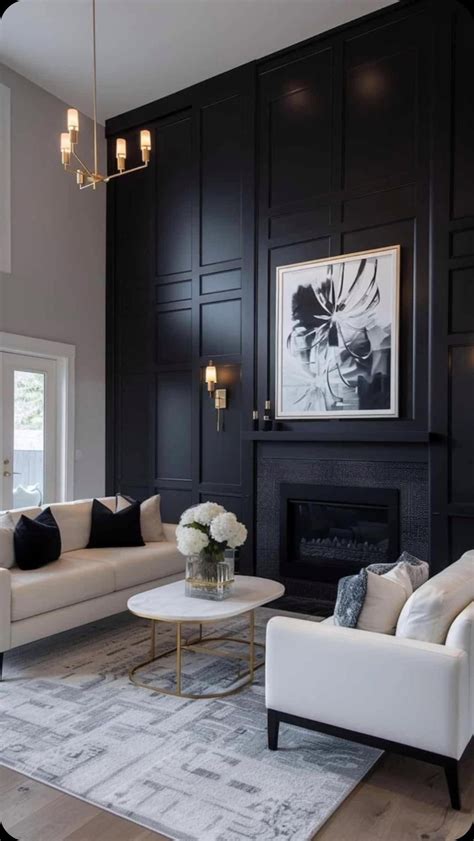
Color and pattern dictate how our eyes perceive dimensions. With the right optical illusions, you can trick the brain into seeing a wider, more expansive environment.
5. Accent the Shorter Walls with Dark or Warm Tones
Paint the shorter far walls in a deeper, saturated color or hang a dramatic wallpaper there. This technique visually pulls that back wall closer to you, effectively shortening the room’s perceived length and squaring out the proportions. Homeowners can use rich paint, while renters can achieve this using temporary mural panels.
6. Keep Long Walls Light and Reflective
Stick to crisp whites, soft creams, or pale pastel shades on the long parallel walls. Light colors bounce natural light around the space, pushing the walls outward visually. Avoid heavy textures or dark paneling on both long sides, as this closes in the room.
7. Lay Down Large-Scale Striped Rugs
Area rugs act as the foundation for spatial zones. Position a striped rug so that the stripes run perpendicular to the length of the room—meaning the lines stretch from one long wall toward the other. This tricks the eye into expanding the room’s width.
8. Hang Oversized Mirrors on Long Walls
Mirrors are a designer’s best friend for doubling perceived square footage. Placing a large, tall mirror on one of the long walls reflects light from windows opposite it, instantly opening up the corridor-like feel and adding architectural depth.
Lighting and Vertical Space Utilization
When floor space is at a premium, looking upward and manipulating shadows helps balance the room’s proportions.
9. Layer Lighting at Different Heights
Avoid relying solely on a single overhead ceiling light, which casts harsh shadows and emphasizes the room’s length. Instead, combine floor lamps, table lamps, and wall sconces to create pools of light throughout the various zones, drawing the eye in multiple directions.
10. Use Sconces Instead of Table Lamps to Save Surface Space
Renters and homeowners alike can benefit from plug-in wall sconces. By mounting lighting fixtures directly to the walls, you free up valuable surface space on end tables and sideboards, keeping the walkways completely clear of dangling cords and bulky lamp bases.
11. Draw the Eye Upward with Tall Shelving
Maximize verticality by installing tall bookcases or vertical art galleries. When people walk into the room, their gaze is pulled upward toward the ceiling rather than straight down the narrow corridor. Homeowners can build custom floor-to-ceiling units, while renters can use heavy-duty anchoring straps on tall, lightweight modular shelving.
12. Hang Curtains High and Wide
Mount your curtain rods several inches above the actual window frame and extend them past the window trim on both sides. This creates the illusion of massive, sprawling windows and draws attention to the width of the wall rather than the narrow dimensions of the room.
Multifunctional and Flexible Solutions
Flexibility is essential when a room serves multiple purposes, such as hosting guests, working from home, and relaxing.
13. Incorporate Nested Tables and Ottomans
Instead of bulky accent furniture, use nesting side tables that can tuck away neatly when not in use. Storage ottomans provide a dual function: they serve as footrests or extra seating while hiding away throw blankets, board games, or seasonal decor.
14. Set Up a Slim Floating Desk Workspace
If you need a home office setup in your living room, avoid large executive desks. Mount a shallow floating shelf along one of the walls to act as a sleek desk surface. Pair it with an acrylic or ghost chair that visually disappears into the background.
15. Utilize Dual-Sided Open Bookshelves as Room Dividers
An open-backed, low bookshelf placed perpendicularly can act as a subtle room divider between your seating area and a dining or entry nook. Because the shelves are open on both sides, light still filters through freely while providing clear separation of function.
16. Choose Legs Over Boxy Bases
Select media consoles, sideboards, and accent cabinets that stand on slender legs rather than sitting flush on the floor. Allowing light to pass underneath furniture pieces keeps the floor plane continuous, preventing the room from feeling heavy, cluttered, or cramped.
17. Keep Decor Minimalist and Intentional
In a narrow space, clutter accumulates quickly and creates visual noise. Edit your accessories carefully. Choose a few large, impactful decor pieces rather than dozens of small trinkets, ensuring your long narrow living room remains an organized, breathable sanctuary.
Frequently Asked Questions
How do I arrange furniture in a long narrow living room without blocking pathways?
The secret is to avoid pushing all furniture against the perimeter walls. Instead, float your main seating group away from the walls to create a dedicated walking path behind the sofa. Use smaller-scale furniture and establish multiple functional zones so people can move naturally through the space without tripping over coffee tables or entertainment centers.
What are rental-friendly ways to decorate a narrow space?
Renters can easily transform a narrow living room by using plug-in wall sconces instead of bulky lamps, hanging large mirrors with heavy-duty damage-free strips, and utilizing peel-and-stick wallpaper on the short accent walls. Additionally, freestanding modular shelving and low-profile furniture ensure you can take your design solutions with you when your lease ends.
Where should I place the TV in a bowling-alley style living room?
The TV is often best placed on one of the narrower short walls, allowing your seating to face it directly without craning your neck. If the TV must go on a long wall, angle your sofa slightly toward it or float the seating in the middle of the room so viewers face comfortably across the width rather than straight down the length.


