When reimagining the heart of the home, flooring and wall treatments often dictate the entire atmosphere of the space. While traditional American living rooms lean heavily toward wall-to-wall carpeting or standard hardwoods, contemporary interior design is increasingly embracing the architectural sophistication of innovative tile designs. Tiles offer an exceptional blend of visual longevity, architectural interest, and climate-adaptable comfort that traditional materials sometimes struggle to match.
By thoughtfully combining tactile wall surfaces with resilient, sleek flooring, homeowners can establish a deeply personalized living environment. Navigating this design shift requires understanding how modern tile manufacturing has evolved to mimic organic textures like natural stone and aged wood, while delivering superior performance in high-traffic residential spaces across the United States. Furthermore, assessing regional environmental factors—such as high humidity in southern coastal states or freezing winter temperatures in the Midwest—helps ensure that chosen tile materials provide both lasting beauty and practical resilience throughout the changing seasons.
Reinventing Living Room Foundations with Durable Floor Tiles
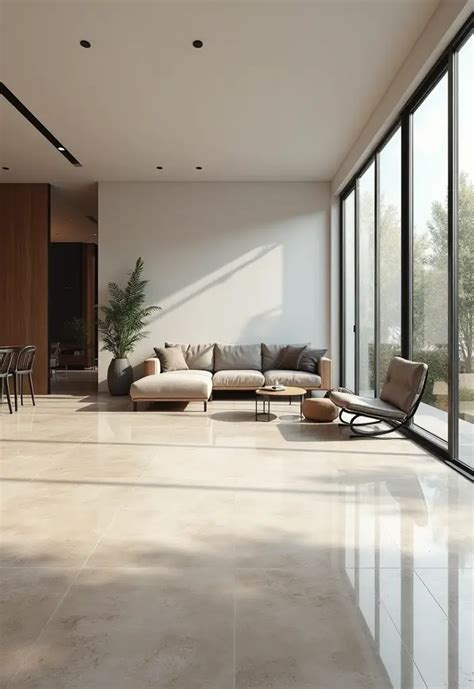
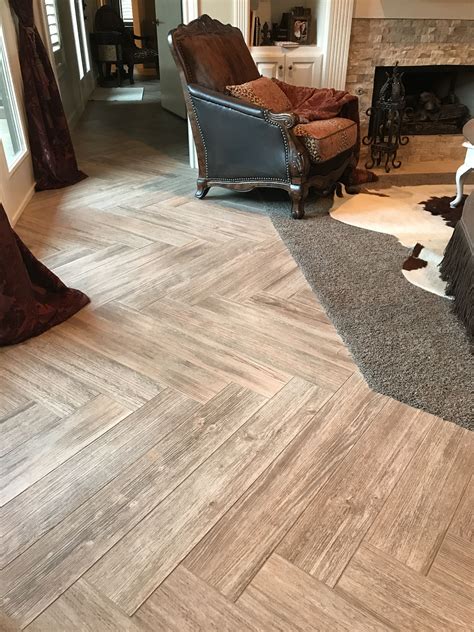
Choosing the right flooring for a U.S. living room involves balancing heavy foot traffic, furniture weight, and daily wear with an inviting aesthetic. Large-format porcelain and ceramic floor tiles provide a seamless, expansive look that minimizes grout lines and visually enlarges compact urban apartments or sprawling suburban layouts alike. Because modern manufacturing techniques allow for remarkable precision, tiles can replicate the rich grain of white oak or the rugged elegance of slate without demanding the intensive maintenance associated with raw timber or natural stone.
Furthermore, floor tiles excel in temperature regulation, making them a practical choice for homes situated in diverse American climates. During hot, humid summer months across the South and Southwest, stepping onto a cool tiled surface provides immediate relief from outdoor heat. Conversely, for homes in northern regions experiencing freezing winter nights, radiant heating systems can be seamlessly installed underneath porcelain or ceramic tiles to deliver steady, ambient warmth from the ground up. This structural adaptability ensures that your main living space remains comfortable year-round, regardless of regional weather fluctuations or shifting indoor humidity levels.
Creating Striking Focal Points with Statement Wall Tiles
While floors establish the foundation, living room walls present a vertical canvas ripe for creative expression. Incorporating textured or patterned wall tiles behind an entertainment center or fireplace mantel instantly draws the eye upward, elevating the perceived ceiling height of the room. Matte finishes absorb ambient lighting to create a moody, intimate atmosphere, while semi-polished or metallic-veined tiles reflect natural light streaming through large windows, brightening darker corner spaces that receive limited direct sunlight during shorter winter days.
Experimenting with geometric relief patterns or dimensional ceramic tiles adds a tactile layer that paint or wallpaper simply cannot replicate. This physical depth interacts dynamically with changing daylight, casting subtle shadows that shift throughout the afternoon. For a balanced aesthetic, pair these ornate feature walls with minimalist furniture silhouettes and neutral upholstery to let the structural artistry of the tiles take center stage without overwhelming the room’s overall visual harmony.
Practical Considerations for Homeowners and Renters
Implementing tile upgrades requires thoughtful planning, particularly when weighing the differences between permanent structural renovations and temporary decor updates. For homeowners, investing in high-grade ceramic or porcelain installations represents a long-term architectural enhancement that significantly boosts property value and interior resilience. Professional installation ensures proper subfloor leveling, crack isolation, and waterproofing, safeguarding your investment against shifting foundations or accidental moisture exposure common in varied regional soils.
Renters or those seeking flexible decor solutions can still participate in modern tile trends by utilizing peel-and-stick accent tiles for rented fireplace surrounds, or by incorporating oversized decorative tile trays and accent panels. These non-permanent alternatives deliver the distinct visual flair of ceramic craftsmanship without violating lease agreements or requiring professional masonry work, ensuring anyone can refresh their living quarters with confidence and style.
Frequently Asked Questions
Are tile floors too cold for a living room in colder U.S. regions?
While tile naturally feels cooler than carpet, modern installations easily accommodate underfloor radiant heating systems. This pairing delivers cozy warmth during winter while keeping the living space comfortably cool during hot summer months.
How do I choose between matte and glossy tiles for living room walls?
Matte tiles absorb light and work wonderfully in spaces with abundant natural sunlight to reduce glare, creating a cozy and sophisticated ambiance. Glossy or polished tiles reflect light, making them ideal for smaller or north-facing living rooms that need extra brightness.
Can large-format tiles make a small living room look bigger?
Yes. Large-format tiles feature fewer grout lines, which tricks the eye into perceiving a more continuous, uninterrupted surface area. This visual trickery helps compact living rooms feel much more open and expansive.
How do I maintain and clean high-traffic living room tiles?
Routine maintenance simply involves regular sweeping or vacuuming to remove abrasive dust, followed by a gentle mop using a pH-neutral cleaner. Avoid harsh acidic chemicals that can degrade the grout over time, and reseal natural stone-look grout lines periodically.


