Grey flooring has firmly established itself as a staple in contemporary American interior design, offering a versatile foundation that bridges traditional warmth and modern minimalism. Whether you are working with weathered grey hardwood planks, sleek concrete-look tiles, or durable luxury vinyl, the inherent neutrality of grey allows homeowners to experiment with bold color palettes or maintain a serene, monochromatic aesthetic. However, because grey inherently leans toward cool undertones, designing a truly classy living room requires a thoughtful approach to texture, lighting, and contrast.
Successfully styling a living room with grey floors is less about matching colors perfectly and more about balancing temperatures and introducing tactile depth. In typical U.S. homes, where living rooms often connect directly to open-concept kitchens or hallways, a cohesive grey floor acts as a unifying anchor. By implementing strategic design choices—such as layering rich textiles, incorporating warm wood furniture, and selecting the right paint colors—you can transform a potentially stark room into an inviting, sophisticated sanctuary tailored to daily living.
Balancing Temperatures: Warmth and Contrast
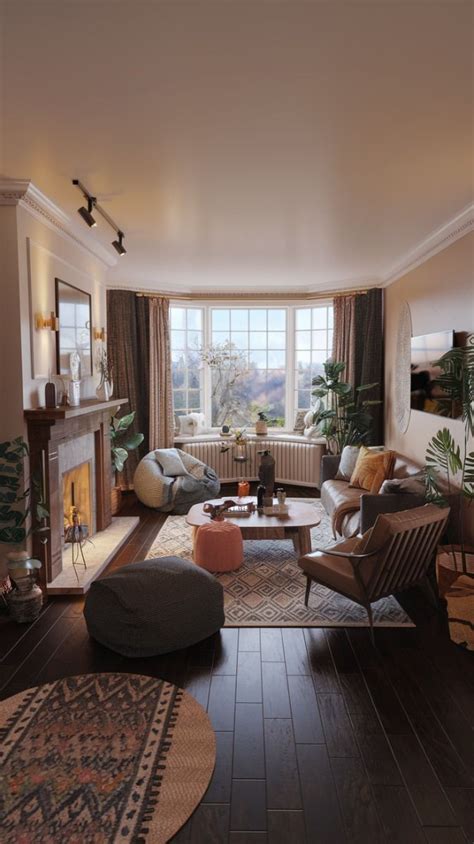
The single biggest challenge when designing a grey floor living room is preventing the space from feeling cold, clinical, or uninviting. Because grey is a cool neutral, it absorbs light rather than reflecting it warmly. To combat this optical effect, professional designers recommend introducing contrasting warm elements right at eye level and underfoot. Think of your grey floor as a sophisticated canvas that begs for organic textures to soften its modern edge.

Start by incorporating furniture crafted from natural, medium-to-dark woods like walnut, white oak, or teak. These warm timber tones instantly counteract the coolness of the flooring. Additionally, layer your seating area with tactile upholstery such as heavy boucle, rich top-grain leather, or brushed velvet. Metallic accents in brushed brass, antique bronze, or matte black help bridge the gap between cool floors and warm furnishings, ensuring the room feels intentionally layered rather than flat.
Choosing Complementary Wall Colors and Rugs
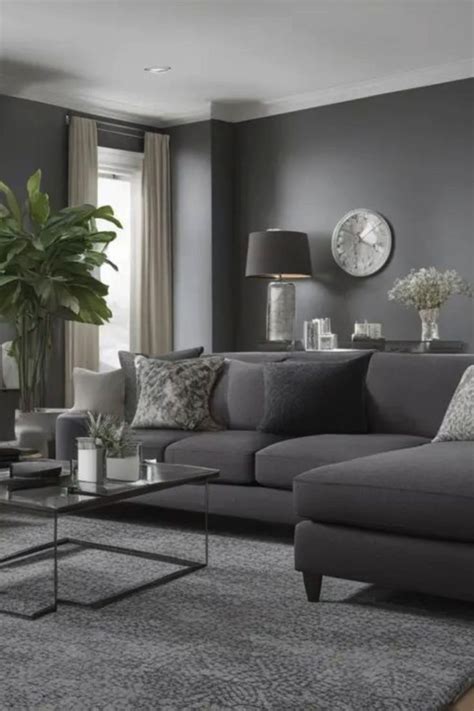
Selecting the right wall color to accompany grey flooring depends entirely on the natural light your U.S. living room receives. Rooms facing north in cooler climates benefit from creamy off-whites, soft greige, or warm taupe walls that introduce subtle warmth. Conversely, south-facing living rooms drenched in bright sunlight can easily support crisp, brilliant whites or even moody accent walls in deep navy, charcoal, or forest green for a dramatic, high-contrast effect.
Area rugs serve as an essential design tool in grey-floored spaces, breaking up expanses of neutral flooring while defining conversation zones. Opt for rugs featuring high-pile wool, jute, or vintage-inspired patterns with hints of cream, beige, and muted rust. A well-chosen rug cushions the visual impact of grey tiles or planks, adding immediate comfort underfoot while anchoring your coffee table and seating arrangement seamlessly within open-plan floor layouts.
Lighting Strategies for Grey-Floored Living Spaces
Lighting can make or break a room built around grey foundations. Natural daylight varies dramatically across different regions of the United States, meaning your artificial lighting plan must compensate for shifting seasonal shadows. Relying solely on a single overhead ceiling light will cast flat shadows and exaggerate the cool undertones of your grey floor, making the space feel sterile.
Instead, embrace a layered lighting strategy by combining floor lamps, table lamps, and wall sconces placed at varying heights throughout the room. Choose warm-toned LED bulbs (around 2700K to 3000K) to cast a golden, welcoming glow across the floorboards. Dimmable fixtures also allow you to adjust the ambiance from bright and energetic during daytime family activities to soft and intimate during evening relaxation.
Frequently Asked Questions
How do I keep a grey floor living room from looking too sterile?
To prevent a grey floor living room from feeling cold, focus on layering organic textures and warm elements. Incorporate leather or velvet upholstery, warm wooden furniture like walnut or oak, and plush wool area rugs. Selecting warm-toned lighting and metallic accents such as brushed brass will also instantly elevate the coziness of the space.
What wall colors work best with grey wood or tile floors?
Warm neutrals like creamy off-white, greige, and soft taupe complement grey floors by adding balance. If your living room receives ample natural light, you can also experiment with moody, saturated wall colors like navy blue, olive green, or charcoal to create a sophisticated, high-contrast environment.
What type of rug should I place over grey flooring?
Choose rugs made from natural fibers like wool, jute, or cotton blend that feature warm undertones or traditional patterns. Textured high-pile rugs or vintage-style designs with cream, beige, and warm earthy accents work exceptionally well to break up large expanses of grey flooring while adding visual warmth.
Conclusion
Designing a classy living room around grey flooring is an exciting opportunity to balance modern sophistication with everyday comfort. By thoughtfully curating your wall colors, introducing rich textures through furniture and rugs, and establishing a warm, layered lighting plan, you can create a versatile space that feels deeply welcoming. Whether your style leans transitional, contemporary, or classic American, a grey floor provides a timeless foundation for years of beautiful interior design.


