Finding affordable ways to display books, plants, and decor while keeping your walls intact can feel challenging, especially when balancing style with a strict budget. Whether you are settling into a suburban house or decorating a compact urban apartment, incorporating custom shelving adds instant character and functional storage without a hefty price tag. By sourcing standard lumber and hardware from neighborhood stores like Home Depot or Lowe’s, you can easily craft custom displays that rival expensive retail pieces.
Successful DIY shelving relies on understanding your wall structure, selecting the right materials for your weight needs, and matching the mounting technique to your living situation. Renters and homeowners alike can benefit from clever hanging methods that prevent drywall damage while delivering secure, beautiful storage solutions across the living room, kitchen, or home office.
Renter-Friendly and Damage-Free Shelf Solutions
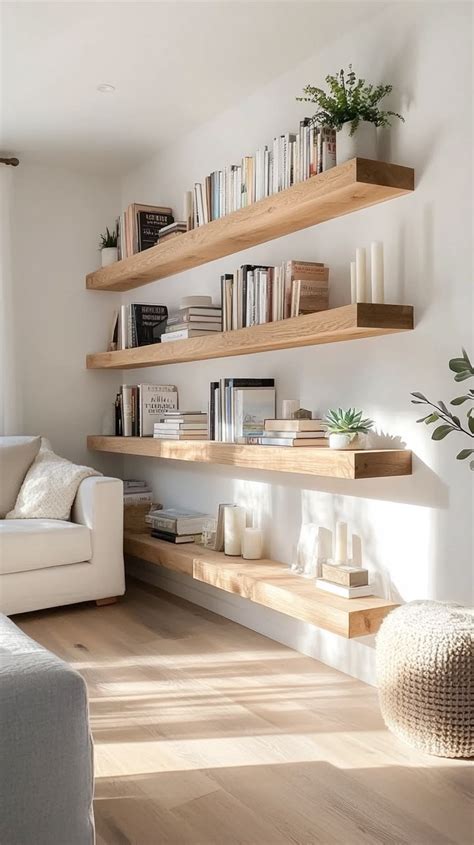
Lease agreements often restrict traditional drilling, but that does not mean you have to abandon vertical storage entirely. Command-strip ledge shelves and tension-pole bookcases offer brilliant alternatives that leave minimal to zero trace behind when you eventually move out. For lightweight decor frames and small succulents, lightweight picture-ledge strips provide a secure hold on standard painted drywall without requiring heavy wall anchors or stud finders.
Another clever renter workaround involves utilizing freestanding leaning ladders or modular tension rods that wedge securely between the floor and ceiling. These systems require no permanent hardware fastening, yet they offer multiple tiers of open shelving to display your favorite ceramics and books. When planning these setups, always double-check the manufacturer weight restrictions to avoid overloading adhesive mounts or unstable tension columns.
Budget-Friendly Floating Shelves Using Standard Lumber
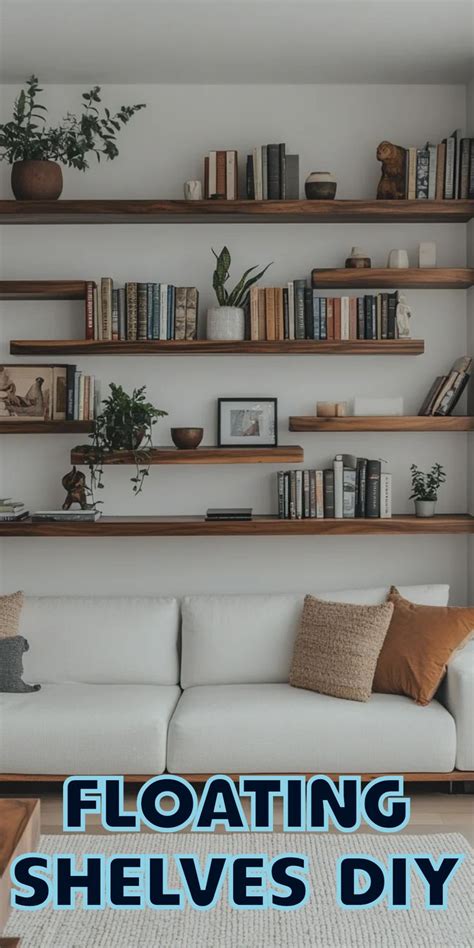
Achieving a modern, minimalist aesthetic does not require purchasing high-end hollow box shelves from boutique retailers. By picking up inexpensive whitewood boards or common pine planks from your local home improvement center, you can create clean-lined floating shelves for a fraction of the cost. A standard eight-foot board can easily be cut down into multiple custom lengths to fit awkward alcoves or tight kitchen corners.
To build a sturdy hidden support system, construct a simple internal cleat out of scrap wood or use heavy-duty steel bracket rods screwed directly into wall studs. Sand the exterior wood smooth, apply your choice of wood stain or water-based polyurethane, and slide the shelf board over the anchoring supports. This method ensures a seamless floating appearance capable of holding everyday kitchen dishware or a robust collection of novels.
Industrial Pipe and Reclaimed Wood Combinations
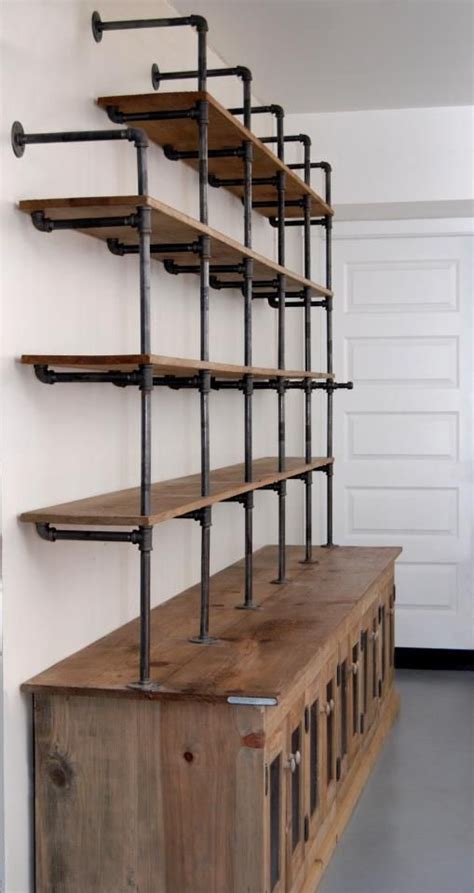
If your home leans toward modern rustic, farmhouse, or urban industrial decor, pairing black iron plumbing pipes with reclaimed lumber creates an exceptionally durable display. Standard threaded floor flanges, pipes, and elbows act as structural brackets that screw directly into wall studs, providing an anchor point with immense weight capacity. You can source reclaimed scaffolding planks or old barn wood to serve as the shelving surface, injecting rich historic texture into your rooms.
Building these industrial units requires minimal technical skill, as most big-box hardware stores will cut and thread iron pipes to your precise specifications if needed. Be sure to clean the metal pipes thoroughly with a degreaser before installation to remove factory oils, then seal the wood with a matte protective finish. This style works exceptionally well in home offices for heavy textbook storage or in kitchens as open dish racks.
Corner and Vertical Space-Saving Strategies
Unused corners often represent wasted square footage in American homes and apartments. Installing triangular floating shelves or modular corner brackets transforms dead zones into striking display areas for trailing house plants, framed photographs, or small sculptural objects. Because corner shelves tie into two perpendicular walls, they naturally gain extra structural stability compared to single-wall installations.
Vertical stacking is another powerful strategy for small spaces, drawing the eye upward and creating the illusion of higher ceilings. Instead of spreading storage horizontally across a single crowded wall, stack four or five narrow ledges vertically above a desk or entryway console. This approach keeps your floor clear while maximizing every square inch of available wall space for organizational baskets and decorative accents.
Frequently Asked Questions
How can I hang shelves without damaging my drywall or violating a rental agreement?
Renters can use heavy-duty adhesive strips designed for picture ledges, tension-pole shelving units, or leaning ladder shelves. If your landlord permits small anchor holes, patching them with spackle and touch-up paint upon moving out is usually a straightforward process.
What are the cheapest materials to use for DIY shelving?
Common pine boards, whitewood planks, and MDF (medium-density fiberboard) are among the most affordable lumber options at U.S. home improvement stores. For brackets, simple metal L-brackets or repurposed leather straps keep hardware costs low.
What tools do I actually need to build a basic floating shelf?
A basic build requires a hand saw or circular saw (or having the lumber store cut boards for you), a power drill, a level, sandpaper, and appropriate wall anchors or wood screws matched to your wall type.
How much weight can DIY shelves typically hold?
Weight capacity depends heavily on your mounting hardware. Shelves anchored directly into wooden wall studs using heavy-duty brackets can easily hold 30 to 50 pounds or more, whereas adhesive or drywall-only anchors have much lower limits, typically under 10 to 15 pounds.


