Creating your own wall shelves allows you to maximize storage while adding a personalized design element to your living space. In most North American residential construction, walls consist of gypsum drywall panels attached to vertical wood framing studs spaced sixteen or twenty-four inches apart. Understanding this underlying structure is the foundational step for any successful shelving project, ensuring your finished piece remains secure and functional for years to come.
Beyond structural safety, building and styling shelves gives you complete control over dimensions, wood species, and finish treatments. Whether you need a heavy-duty bookshelf for a home office or a sleek display ledge for living room decor, a thoughtful approach ensures your handmade additions elevate the room’s overall aesthetic.
Planning Your Build: Lumber Selection and Hardware
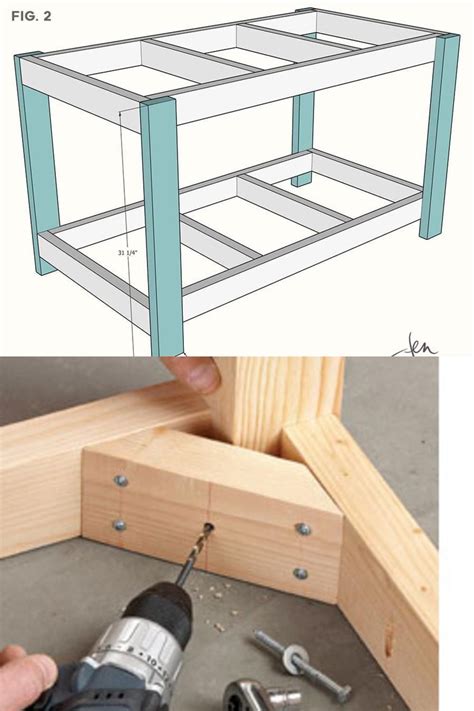
Choosing the correct materials dictates both the aesthetic outcome and the load-bearing capacity of your shelves. For standard home decor projects, dimensional lumber like kiln-dried pine, oak, or maple works exceptionally well and is readily available at local home improvement centers. Pine offers an affordable, easy-to-work-with option that takes stains beautifully, while hardwoods like oak provide enhanced durability and a refined grain pattern for visible spaces.
Hardware selection is equally critical when anchoring heavy objects. Standard L-brackets offer reliable industrial support, whereas concealed floating shelf brackets create a minimalist illusion. When purchasing brackets, always verify their weight ratings and ensure they match the depth of your chosen board. Investing in quality fasteners and heavy-duty anchors prevents sagging and protects your walls from unnecessary damage.
Step-by-Step Installation and Wall Anchoring
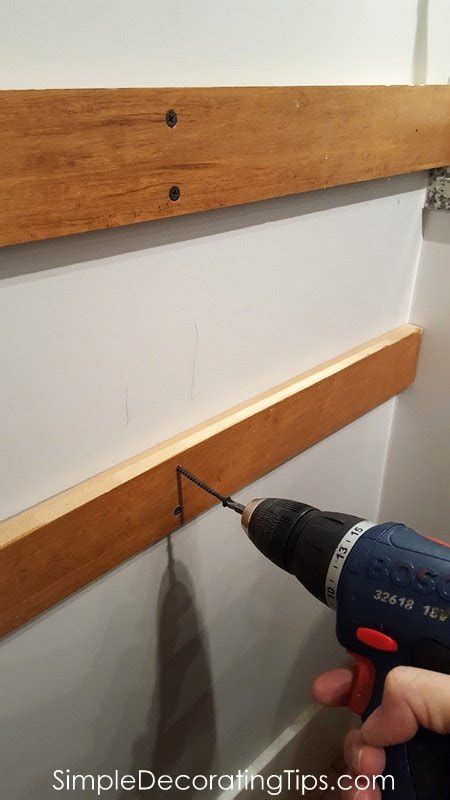
Before making any cuts or driving screws, locate your wall studs using a reliable electronic stud finder. In standard American homes, studs are typically spaced sixteen inches center-to-center. Marking these locations accurately on painter’s tape applied to the wall prevents misaligned mounting holes and guarantees that at least one side of your shelf secures directly into solid wood framing.
If your desired shelf placement does not align perfectly with a stud, do not rely on drywall alone for heavy items. Use rated toggle bolts or heavy-duty expansion anchors designed for drywall to distribute the weight evenly. Always use a dependable spirit level across your brackets before securing them permanently, as even a minor slope will become immediately noticeable once decorative items are added.
Styling Your New Shelves: Balancing Function and Aesthetics
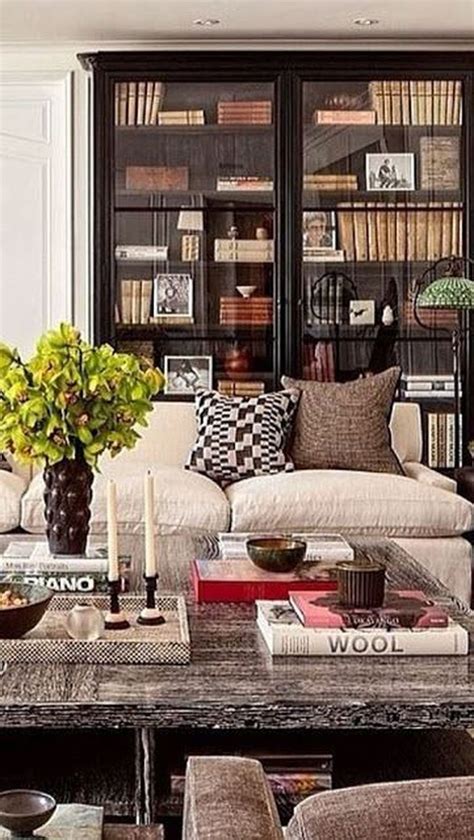
Once your shelves are securely mounted, the styling phase brings your room’s character to life. Avoid the temptation to overcrowd every square inch; instead, embrace negative space to let individual statement pieces breathe. Begin by placing larger anchor items, such as framed artwork or small stackable books, and build outward with smaller decorative accents like ceramics or trailing plants.
Layering textures and varying object heights creates a visually dynamic display that draws the eye naturally. Group items in asymmetrical arrangements of three or five, mixing organic elements with metallic or glass finishes. Stepping back periodically to evaluate the composition helps you maintain visual balance and ensures your handmade wall shelves look intentional, curated, and deeply personal.
Frequently Asked Questions
How do I find wall studs securely in drywall?
The most reliable method is using an electronic stud finder to locate the edges of the wooden framing behind the drywall. Once you find the edges, measure to the center—usually eight inches away—and confirm by tapping the wall to listen for a solid sound rather than a hollow echo.
What kind of wood is best for DIY wall shelves?
Kiln-dried pine is popular for its affordability and ease of cutting, making it ideal for beginners. If you prefer a darker, more durable grain or plan to use minimal stain, hardwoods like oak, walnut, or maple offer a premium look and superior long-term strength.
How much weight can homemade wall shelves hold?
Weight capacity depends entirely on your mounting hardware and whether your brackets are anchored directly into wall studs. A shelf screwed securely into two wall studs using heavy-duty brackets can easily support forty to sixty pounds or more, whereas shelves anchored only in drywall have significantly lower limits.
What are the best styling techniques to avoid clutter?
To prevent a cluttered appearance, group items using the rule of odds (arranging objects in threes or fives) and vary heights by leaning small frames or stacking books horizontally. Always leave some open negative space on each shelf to let the wall color and background show through.
How high should wall shelves be mounted?
For optimal visual balance and accessibility, mount living room or bedroom shelves so the middle of the display sits roughly at eye level, generally around fifty-seven to sixty inches from the finished floor. Adjust heights accordingly if the shelves sit above furniture like sofas, desks, or accent chairs.


