Finding storage solutions that combine personal style with everyday functionality can transform any room from cluttered to curated. Wooden shelving offers a timeless aesthetic that warms up modern drywall interiors, whether you live in a suburban house or an urban apartment. Crafting your own wooden shelves allows you to customize dimensions precisely to your awkward corners, narrow hallways, or expansive living room walls without overspending on custom millwork.
Sourcing materials is straightforward when you visit major U.S. home improvement centers like The Home Depot or Lowe’s, where dimensional lumber, plywood, and specialty hardwoods are readily available. Beyond standard planks, local lumberyards often supply unique live-edge pieces that instantly elevate a simple wall into an architectural focal point. Balancing aesthetic desires with sound structural engineering ensures your handmade creations securely hold everything from heavy book collections to delicate ceramic vases.
Rustic Farmhouse Floating Shelves
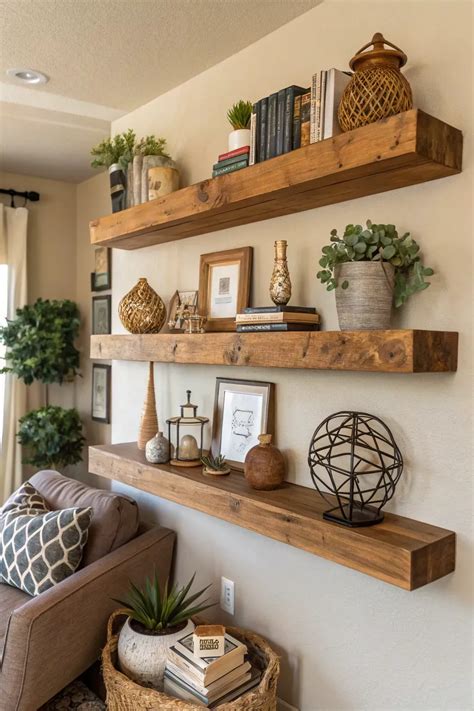
Rustic floating shelves bring classic farmhouse charm into kitchens, living rooms, and bathrooms while maximizing vertical space. To achieve this look, many DIYers use standard pine boards from local lumber suppliers, distressing the wood lightly with hammers, chains, or coarse sandpaper to mimic reclaimed barn timber. Applying a dark walnut or weathered gray wood stain enhances the natural grain patterns before sealing the surface with a clear polyurethane coat.
Mounting these heavy shelves requires heavy-duty internal steel brackets screwed directly into standard wood wall studs spaced sixteen inches apart. For drywall installations lacking stud alignment, heavy-duty toggle bolts or drywall anchors rated for high weight capacities are essential safety measures. Once secured, slide the hollowed or routed wooden box over the bracket, securing it from underneath with small countersunk screws to maintain a clean, floating appearance.
Minimalist Plywood Ledges for Renters
Apartment renters frequently struggle with strict lease agreements that prohibit large drill holes and permanent wall modifications. Minimalist picture ledges made from thin, lightweight plywood offer a clever workaround because they require minimal hardware and can be easily patched upon moving out. These slim ledges provide a dedicated surface to display framed family photographs, lightweight art prints, and small trailing houseplants without overwhelming small rooms.
Constructing a simple renter-friendly ledge involves attaching a thin front lip to a base board using wood glue and finish nails, creating a shallow channel that keeps items from slipping off. Instead of deep structural anchors, many temporary setups utilize heavy-duty double-sided mounting tape or small picture-hanging nails that leave tiny pinholes rather than gaping cavities in drywall. This approach gives renters the creative freedom to refresh their decor seasonally without losing their security deposit.
Industrial Pipe and Wood Combos
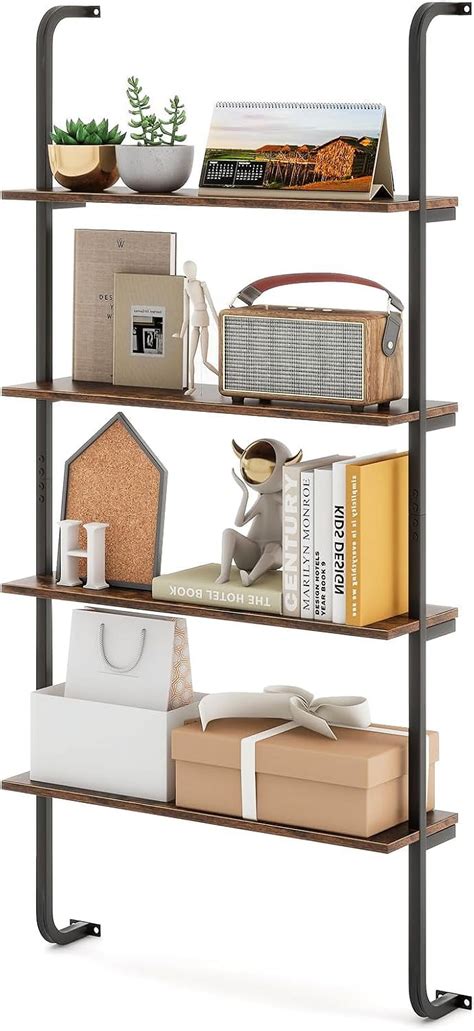
Industrial decor remains a popular choice for urban lofts and contemporary family rooms, blending rugged metal elements with organic wooden textures. Using black iron pipes and fittings alongside thick slabs of oak or maple creates a robust shelving unit capable of supporting heavy textbooks and kitchenware. Sourcing pre-threaded pipes from hardware store plumbing aisles simplifies assembly, eliminating the need for specialized threading tools.
Building this combination involves cleaning the manufacturing oil off the metal pipes using a degreaser, then sealing them with clear spray lacquer to prevent future rust. Fastening floor flanges securely to wall studs provides a rock-solid foundation for the wooden boards, which rest across the upper pipes and are fastened from underneath. Styling these shelves with vintage bookends, metallic accents, and potted succulents balances the industrial roughness with polished interior design touches.
Frequently Asked Questions
What kind of wood is best for DIY shelves?
The best wood depends on your budget and desired aesthetic. Dimensional pine is affordable, lightweight, and easy to stain, making it ideal for beginners. Hardwoods like oak, walnut, and maple offer superior durability and stunning natural grain patterns for permanent statement pieces. Plywood is excellent for lightweight renter-friendly ledges because it resists warping and maintains a clean edge.
How do I hang floating shelves securely on drywall in U.S. homes?
Securing floating shelves safely requires anchoring them directly into wooden wall studs whenever possible, which are typically spaced sixteen inches apart in standard American construction. When stud placement does not align with your shelf brackets, use high-capacity metal toggle bolts or heavy-duty drywall anchors specifically rated for the anticipated weight load to prevent structural failure.
What DIY shelf ideas work best for renters without causing wall damage?
Renters should focus on lightweight shelving solutions such as picture ledges mounted with heavy-duty adhesive strips, pin-nail hanging systems, or freestanding leaning ladder shelves. These alternatives provide organizational and decorative benefits without leaving major holes or causing damage that violates lease agreements.
How can I finish and seal raw wood for a professional look?
Start by sanding the raw wood progressively from medium-grit to fine-grit sandpaper until the surface is completely smooth. Apply your preferred wood stain with a clean cloth or brush, wiping away excess pigment after a few minutes to highlight the natural grain. Finish the project with two to three coats of polyurethane, lacquer, or beeswax, sanding lightly between coats for a professional, durable finish.


