Updating your living room often starts from the ground up, with lounge furniture anchoring the entire design scheme. American living rooms serve many purposes, functioning as casual media rooms, formal hosting spaces, and quiet reading retreats all at once. Keeping pace with modern lounge furniture trends helps homeowners and renters select pieces that balance high-end aesthetic appeal with everyday durability. By focusing on smart layouts, tactile comfort, and flexible arrangements, you can create a space that feels both current and welcoming. Designing this central room requires a thoughtful balance between how the furniture looks during quiet hours and how it performs when family life is in full swing.
As interior layouts continue to evolve toward multi-functional spaces, the furniture we choose must work harder than ever before. Choosing the right foundational pieces means looking beyond temporary fads to embrace silhouettes and materials that support changing daily routines. Whether you are outfitting a sprawling suburban home or a cozy urban loft, understanding these current design movements ensures your investment stands the test of time while keeping your interior feeling fresh and intentionally curated.
Modular Seating and Ultimate Flexibility
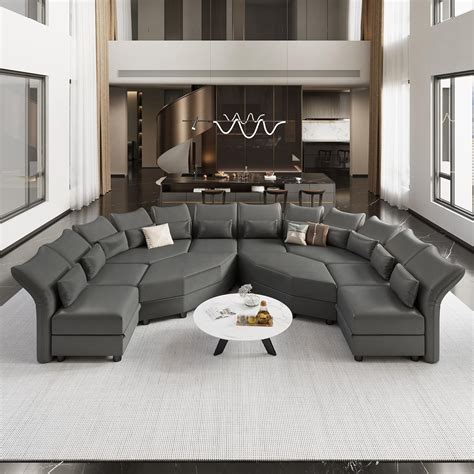
The demand for adaptable furniture remains strong across American households, largely driven by open-concept floor plans and multi-use spaces. Traditional fixed-size sofas are frequently making way for modular seating systems that allow you to reconfigure your layout whenever your lifestyle changes. Whether you are hosting a large gathering or setting up a cozy movie night, modular components can be separated, pushed together, or turned into chaise lounges on demand. This flexibility gives residents complete control over their physical environment without requiring entirely new purchases when a room needs to serve a different purpose.
When selecting a modular system, consider your room dimensions and traffic flow carefully. Unlike standard sectionals that dictate a strict left- or right-facing orientation, modular blocks give you the freedom to float pieces in the center of a spacious suburban living room or line them along a wall in a compact city apartment. Pairing these versatile seats with lightweight accent tables ensures your layout remains fluid and easy to adjust. Furthermore, evaluating the weight and connection mechanisms of individual modules helps guarantee that rearranging the space remains a simple, frustration-free task rather than a strenuous chore.
Tactile Textures and Resilient Upholstery
Modern interior design heavily emphasizes sensory experiences, and upholstery fabrics are playing a starring role in living room curation. Heavy bouclé weaves, textured chenille, and performance velvets add instant depth and visual warmth to a room. These tactile materials invite touch and break up the monotony of flat, neutral color schemes, making large furniture pieces feel more inviting and dynamic. Introducing varied surface textures creates layers of interest that flat woven textiles simply cannot achieve, transforming a basic seating arrangement into a sophisticated focal point.
Choosing tactile fabrics does not mean sacrificing practicality, which is a vital consideration for households with children or pets. Modern textile engineering has produced high-performance fabrics that mimic the plush look of luxury wools while offering stain resistance and effortless cleaning. Selecting a nubby, cream-colored bouclé sofa can transform a stark white living room into a cozy haven without creating ongoing maintenance headaches. Homeowners should always request physical fabric swatches to test how different textures respond to natural light and everyday friction in their specific home environment before committing to a large upholstery order.
Organic Shapes and Curved Silhouettes
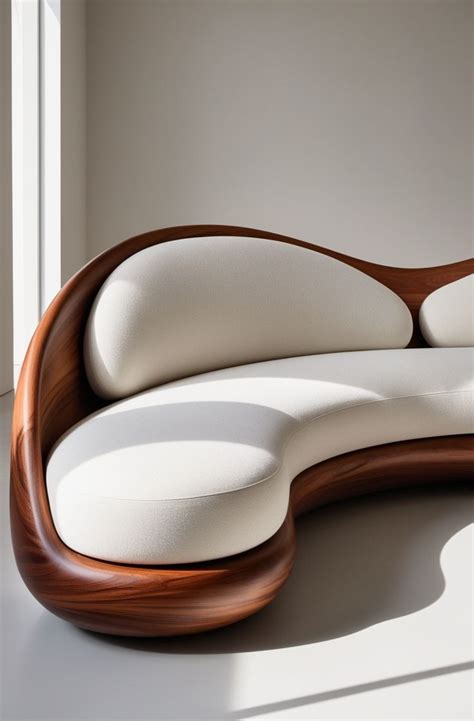
Rigid right angles and blocky furniture are gradually stepping aside for organic shapes and curved silhouettes. Sofas, lounge chairs, and coffee tables with rounded edges soften the overall architecture of a room, creating a more relaxed and fluid atmosphere. This trend draws inspiration from nature, introducing gentle arcs that improve physical movement and conversational dynamics within the seating area. By moving away from stark geometry, living spaces gain an organic, sculptural quality that feels both contemporary and deeply comforting.
Curved furniture works exceptionally well in large, open-concept spaces by breaking up long lines and establishing a natural focal point. A curved sofa naturally wraps conversation inward, eliminating the distant gaps often felt in traditional linear seating arrangements. To balance these soft lines, anchor the grouping with a round organic-shaped rug or an asymmetrical coffee table to complete the harmonious look. When planning placement, ensure you leave adequate clearance around curved pieces so their unique silhouettes can be fully appreciated without making surrounding walkways feel cramped or obstructed.
Frequently Asked Questions
What are the main benefits of modular lounge furniture?
Modular furniture offers exceptional versatility, allowing you to rearrange individual seating blocks to fit changing spatial needs, room sizes, or hosting requirements without buying entirely new pieces. This adaptability is particularly useful in dynamic households where room functions shift frequently between relaxation, work, and entertaining.
How do I maintain textured fabrics like bouclé in a busy home?
Opt for performance-treated textured fabrics whenever possible. Regular light vacuuming with a soft brush attachment and immediate spot-cleaning with mild, water-based cleaners will help keep high-pile materials looking fresh and clean. Always check manufacturer cleaning codes before applying any liquid treatments.
Do curved sofas work well in small living rooms?
Yes, gently curved sofas can actually make compact rooms feel more spacious by softening harsh corners and creating smoother walking paths around the perimeter of the furniture. Their rounded profiles eliminate sharp intrusive angles, making navigation through tight apartment layouts much more seamless.


