Updating an American home exterior requires a careful balance between preserving nostalgic character and introducing fresh, contemporary updates. When you begin blending modern and retro design elements, the primary goal is creating a cohesive visual narrative rather than letting architectural styles compete. Whether your property features a classic mid-century ranch footprint, a split-level layout, or a post-war suburban facade, merging crisp modern lines with warm vintage textures offers an inspired path toward superior curb appeal.
Successful exterior transformations hinge on intentional contrast. Instead of stripping away a home’s original era entirely, thoughtful curation allows you to highlight historical charm while integrating the clean functionality of modern design. By focusing on cohesive color palettes, updated hardware, and strategic material pairings, homeowners can achieve a timeless transitional look that stands out in any neighborhood.
Identifying and Preserving Retro Architectural Roots
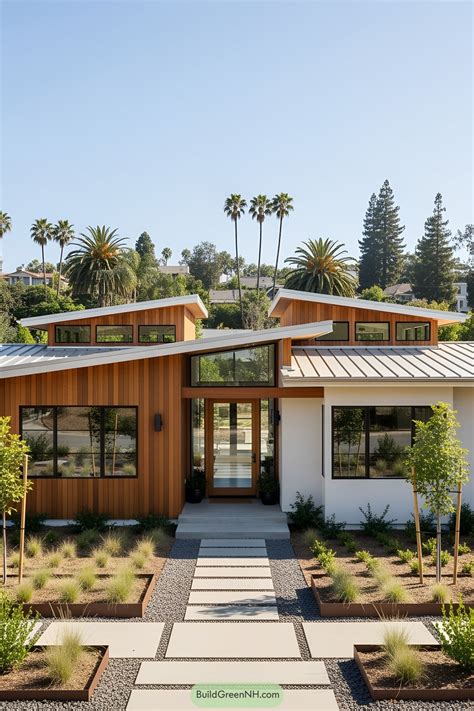
Before introducing any contemporary upgrades, take stock of the existing vintage features that give your home its distinct character. Elements like low-pitched rooflines, original brickwork, geometric windows, or decorative breeze blocks often form the irreplaceable foundation of a retro exterior. Rather than covering these features up, the objective is to highlight them through careful cleaning, targeted repairs, or subtle framing that draws the eye without overwhelming the original structure.
When evaluating your home, separate structural quirks that add genuine historical value from purely dated cosmetic elements that are ready for replacement. Preserving distinct architectural traits maintains the integrity of standard American housing styles while providing a fascinating backdrop for modern interventions. This foundational respect for the past ensures your exterior feels authentic rather than forced or overly trendy.
Integrating Modern Materials with Vintage Siding
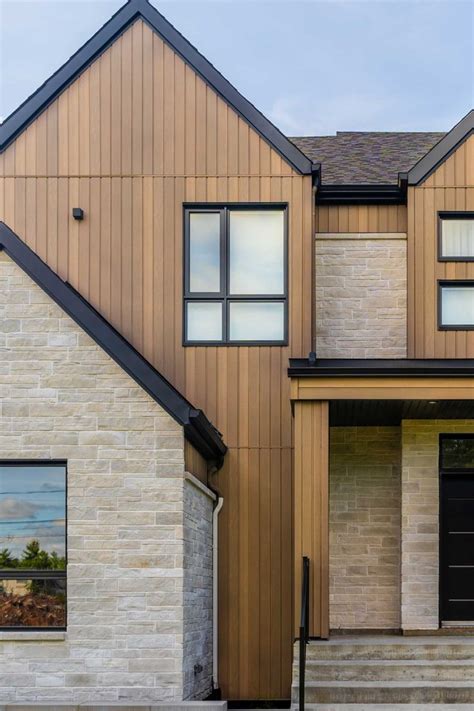
One of the most effective ways to bridge the gap between decades is through careful material pairing. For instance, pairing traditional painted wood siding or original Chicago brick with smooth composite panels, matte metal accents, or oversized glass creates an engaging tactile contrast. The juxtaposition of rough, weathered vintage textures alongside sleek, industrial modern surfaces defines the transitional aesthetic for American homes.
When implementing this strategy, establish a clear hierarchy so one material does not overpower the entire facade. If your home features heavy retro brickwork, introduce modern elements in measured doses, such as a minimalist front porch awning or contemporary metal railings. This approach respects the weight of the original structure while signaling a fresh, updated design perspective.
Choosing a Balanced Transitional Color Palette
Color acts as the ultimate unifier when you are combining contrasting architectural eras. A transitional exterior color palette typically relies on sophisticated neutrals—such as warm grays, muted charcoals, or creamy off-whites—as a primary base to calm busy historical details. Against this understated backdrop, you can introduce a bold, retro-inspired accent color on the front door, such as mustard yellow, turquoise, or classic atomic orange.
Avoid stark, high-contrast black-and-white schemes if your home has heavy organic textures like stone or wood shake, as they can sometimes look harsh against vintage materials. Instead, opt for earthy, desaturated tones that echo the natural surroundings of typical American neighborhoods. Testing paint samples in varying natural light conditions ensures the chosen hues harmonize throughout all changing seasons.
Upgrading Hardware, Lighting, and Entryways
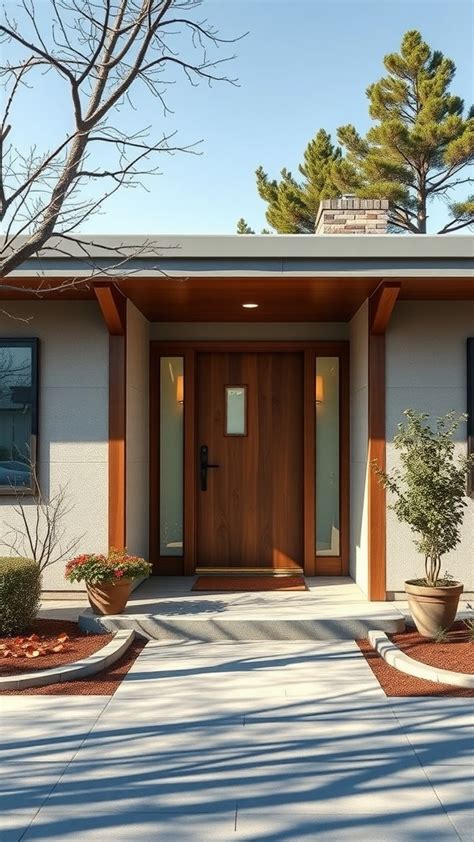
If a full structural renovation is out of reach, upgrading smaller exterior touchpoints offers a high-impact, budget-friendly way to merge modern and retro design. Swap dated, worn-out light fixtures for geometric mid-century modern sconces finished in matte black or brushed brass. Similarly, updating house numbers, the mailbox, and the front door hardware with clean-lined contemporary designs instantly modernizes a vintage facade.
The front door itself serves as a natural focal point for bridging design eras. A vintage slab door can be updated with a fresh coat of paint and modern hardware, or replaced entirely with a contemporary wood-and-glass design that references mid-century aesthetics. These curated accents tie the exterior together, signaling to visitors that the home bridges past and present with deliberate style.
Frequently Asked Questions
How do you mix modern and retro exterior styles without clashing?
The key to mixing modern and retro exterior styles is establishing a clear visual hierarchy and using a cohesive color palette. Choose one dominant style—such as a retro mid-century ranch layout—and use the other style for targeted accents, like minimalist lighting, modern hardware, or updated railings.
What exterior colors work best for a transitional home design?
Transitional home exteriors typically benefit from warm neutrals like soft grays, taupe, or creamy whites for the primary siding and trim. You can then introduce a classic retro accent color, such as muted teal, mustard, or burnt orange, specifically on the front door or architectural feature panels.
Which vintage architectural features should you keep when modernizing?
You should prioritize keeping structural features that define the home’s original era, such as low-pitched rooflines, original brick or stone masonry, distinctive window shapes, and architectural overhangs. These elements provide authentic character that is difficult and costly to replicate.
How can you update a home’s curb appeal on a budget using mixed eras?
You can significantly boost curb appeal on a budget by swapping out dated light fixtures for geometric modern sconces, updating your house numbers, painting the front door in a vibrant retro hue, and refreshing the surrounding landscaping with clean, minimalist plant beds.


