Transforming a living room requires more than simply buying new furniture or painting the walls a trendy shade. Across the United States, leading interior designers approach living room remodels by first examining how the space functions within the daily routine of the household. Professional designers prioritize a harmonious blend of intentional layout, layered lighting, and tactile textures that elevate a room from ordinary to extraordinary. Whether you are preparing for a full structural overhaul or planning a high-impact cosmetic update, understanding elite design principles allows you to make confident decisions tailored to your specific lifestyle and architecture.
For both homeowners and renters, a successful transformation relies on thoughtful planning, realistic budgeting, and knowing which elements deserve the largest allocation of time and resources. Rather than chasing fleeting micro-trends that quickly feel dated, top designers focus on versatile foundations that adapt as your personal taste and living circumstances evolve over the years.
How Top U.S. Designers Approach Living Room Transformations

Prominent interior designers across the United States consistently emphasize the importance of establishing a singular focal point before making any purchasing decisions. In many traditional American homes, this focal point is an architectural fireplace or a large picture window framing an outdoor view, while in modern urban apartments, it might be a custom media built-in or a striking piece of oversized art. By anchoring the room around this central feature, you create a natural visual hierarchy that prevents furniture and decor from feeling scattered or chaotic.
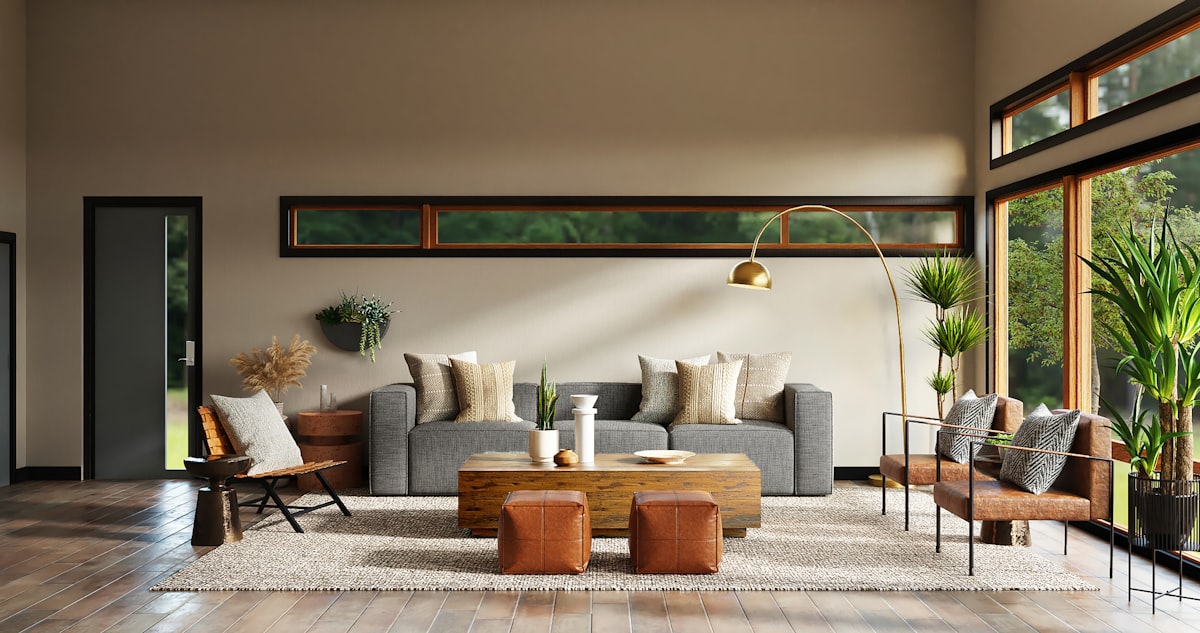
Beyond the primary focal point, top professionals focus heavily on multi-layered lighting schemes to dictate the mood of the space. Instead of relying solely on harsh overhead recessed cans or a single central flush mount, designers combine ambient floor lamps, targeted task lighting for reading corners, and warm accent sconces. This multi-tiered approach allows the living room to transition effortlessly from a bright, energetic space for daytime family activities to a soft, intimate retreat during evening hours.
Balancing Scale, Proportion, and Traffic Flow
One of the most common pitfalls in DIY living room design is choosing furniture that is either drastically too large or too small for the room’s precise dimensions. Professional designers utilize precise space-planning techniques to ensure that every major piece of upholstery allows for comfortable human circulation paths. In smaller urban spaces, designers often opt for furniture with exposed legs, which creates an illusion of a larger floor area by allowing light to pass underneath the pieces.
In larger, open-concept American living spaces, the challenge shifts toward defining distinct zones without building physical walls. Designers frequently employ oversized area rugs to anchor specific conversation areas, floating sofas away from perimeter walls to encourage intimate dialogue, and utilizing console tables behind sectional sofas to bridge the visual gap between open kitchen and living areas.
Budgeting and Phased Remodeling for Homeowners and Renters
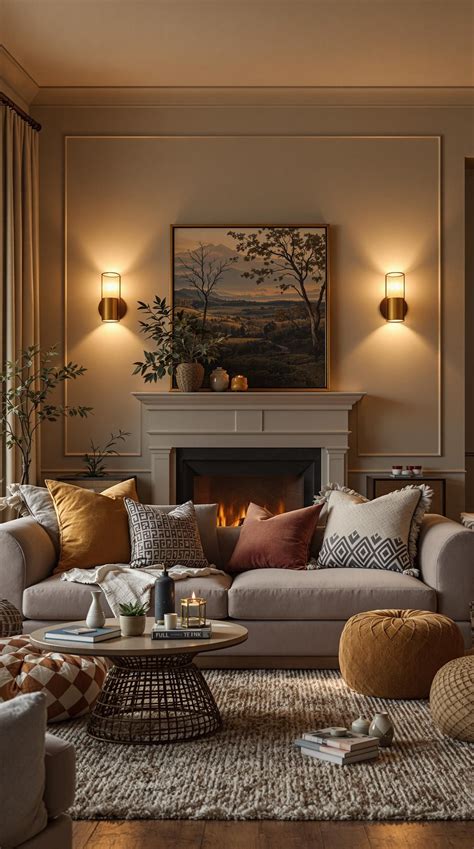
Embarking on a living room remodel requires a clear financial strategy that accounts for both expected costs and unforeseen contingencies. Homeowners undertaking major structural changes—such as removing walls, upgrading electrical wiring for sophisticated lighting, or installing custom millwork—should allocate a contingency fund of at least fifteen to twenty percent. Professional contractors and designers recommend breaking extensive renovations into logical phases, starting with foundational structural or electrical work before investing in high-end decorative finishes and custom window treatments.
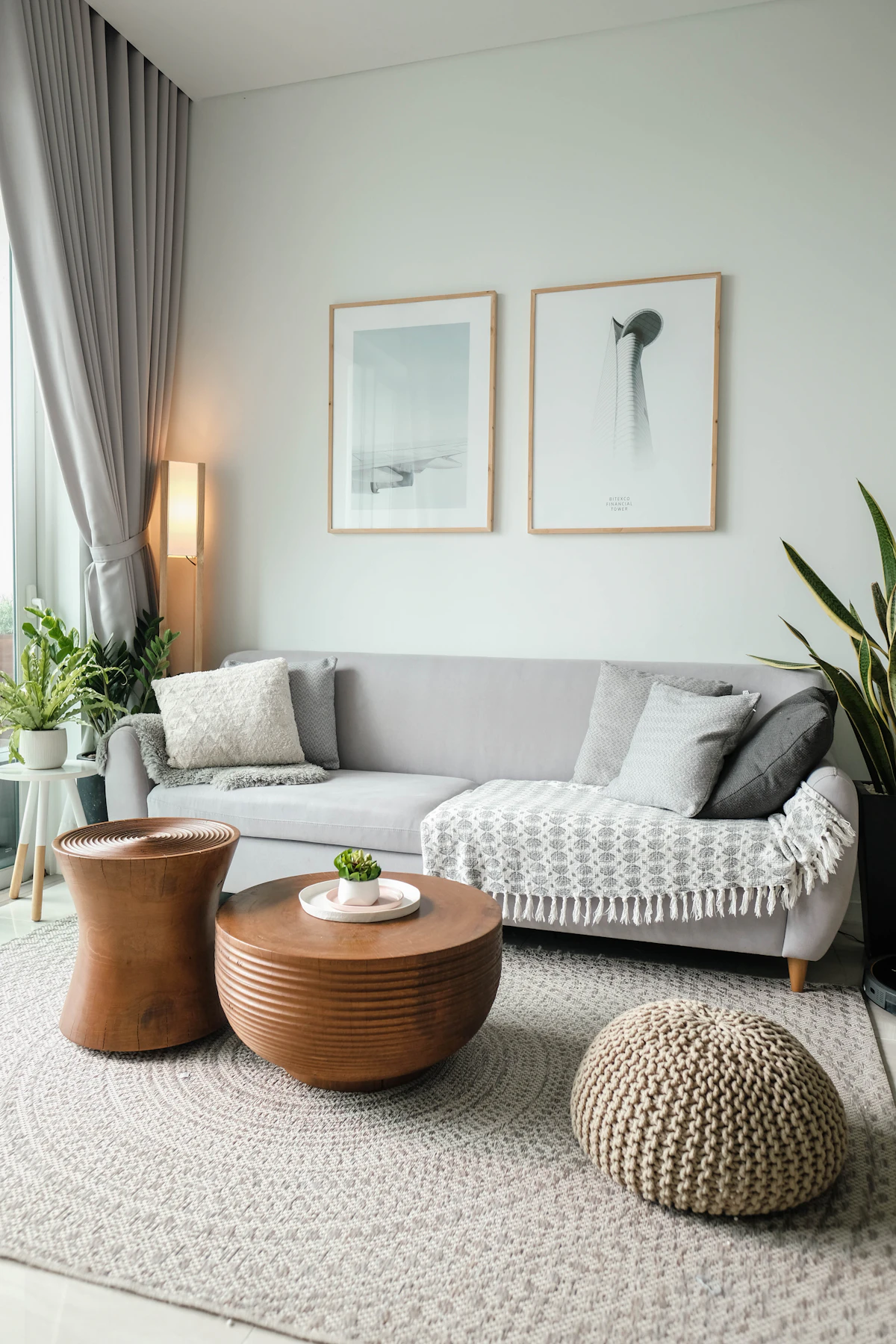
For renters and those working with a strictly cosmetic budget, achieving a designer-level look requires strategic resource allocation. Instead of spending heavily on items you cannot take with you, focus your budget on high-impact, portable upgrades like plug-in wall sconces, architectural curtains hung high and wide to create the illusion of tall ceilings, and rich textile accents such as heavy linen throw pillows and artisanal wool rugs. Temporary peel-and-wallpaper on a single accent wall can also deliver the drama of a high-end designer finish without violating lease agreements.
Sourcing Sustainable and Enduring Materials
Top U.S. interior designers are increasingly prioritizing materials that offer both tactile warmth and exceptional durability. Natural wood tones, unlacquered brass hardware that develops a rich patina over time, and performance fabrics such as heavy-duty linen blends or stain-resistant velvets ensure that your living room withstands the demands of daily life. When planning your updates, invest in foundational pieces crafted from solid hardwoods rather than fast-furniture alternatives, as these enduring investments will serve your household beautifully for decades to come.
Frequently Asked Questions
How do top U.S. interior designers approach a living room remodel?
Top designers begin by establishing a clear focal point, such as a fireplace or architectural window, and then build a layered lighting plan and cohesive furniture layout around it. They prioritize timeless foundations and functional flow over temporary trends.
What are the best layout ideas for small or awkward living rooms?
For small or awkward spaces, designers recommend floating furniture away from walls, choosing seating with exposed legs to maintain visual openness, and using appropriately scaled rugs to define clear functional zones without overcrowding the floor plan.
How can renters apply designer remodel ideas without permanent changes?
Renters can achieve a high-end designer look by utilizing non-permanent upgrades like plug-in wall sconces, statement area rugs, high-hanging drapery, peel-and-stick accent wallpaper, and versatile modular furniture that can easily move to a future home.
What are the key steps to plan a living room renovation budget?
Start by listing your essential priorities versus optional cosmetic updates. For major renovations, homeowners should set aside a 15 to 20 percent contingency fund and phase the project by tackling structural or electrical work before purchasing decorative items.


