Designing a modern living room requires balancing clean visual lines with everyday comfort. Whether you are settling into a newly purchased suburban ranch or refreshing an urban apartment lease, contemporary American interiors lean toward spaces that feel both curated and lived-in. Achieving this balance means moving away from sterile minimalism and embracing layouts that support how people actually relax, gather, and work at home.
The secret to successful modern design lies in flexibility. Traditional American floor plans often feature distinct living areas, while newer builds emphasize open-concept spaces that flow directly into kitchens. By focusing on intentional furniture placement, layered lighting, and textural variety, you can create a cohesive look regardless of your square footage or whether you own the property.
Warm Minimalism and Organic Modern Living Spaces
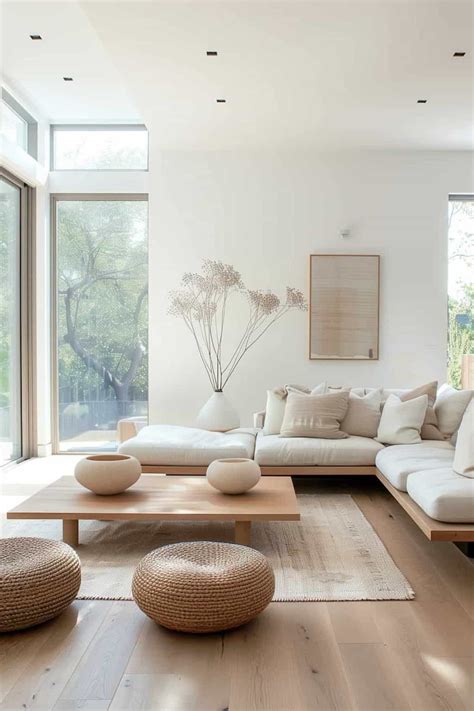
Modern organic design has become a dominant trend in American homes, merging the sleek geometry of mid-century and contemporary styles with earthy, tactile elements. This approach replaces stark white walls and chrome finishes with creamy lime wash, warm oak tones, travertine stone, and heavy woven textiles. The goal is to create a serene environment that feels grounding rather than cold.
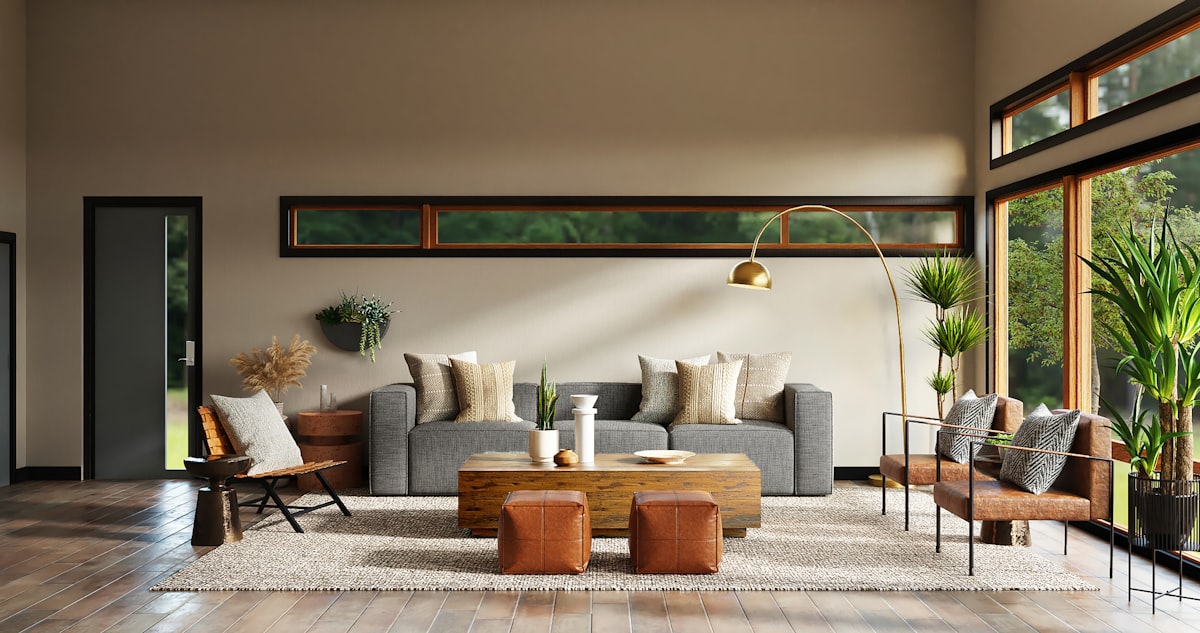
When styling a warm minimalist living room, focus on investing in a few foundational statement pieces rather than filling every corner. A low-profile sofa upholstered in a textured bouclé or performance linen immediately establishes a modern anchor. Pair this with sculptural wooden coffee tables and ceramic accent pieces that introduce subtle imperfections. Rugs made from natural fibers like jute, wool, or unbleached cotton help define conversation areas in large open-concept rooms while keeping the palette understated.
Lighting plays a critical role in bringing warmth to minimalist spaces. Instead of relying solely on harsh overhead fixtures, incorporate floor lamps with linen shades, dimmable wall sconces, and ambient table lighting. This multi-layered approach casts a soft glow across different heights of the room, highlighting architectural details and making expansive living areas feel intimate and welcoming.
Renter-Friendly Modern Upgrades for Apartments
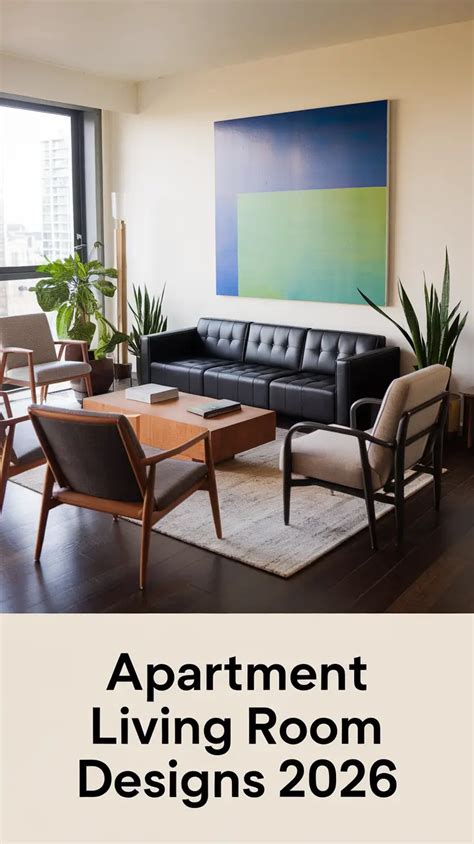
Renting an American apartment often comes with strict lease constraints, builder-grade beige walls, and generic carpeting. However, transforming a rental into a modern sanctuary does not require permanent renovations or drilling into drywall. Temporary design solutions allow you to personalize your space completely while ensuring you get your security deposit back when you move.
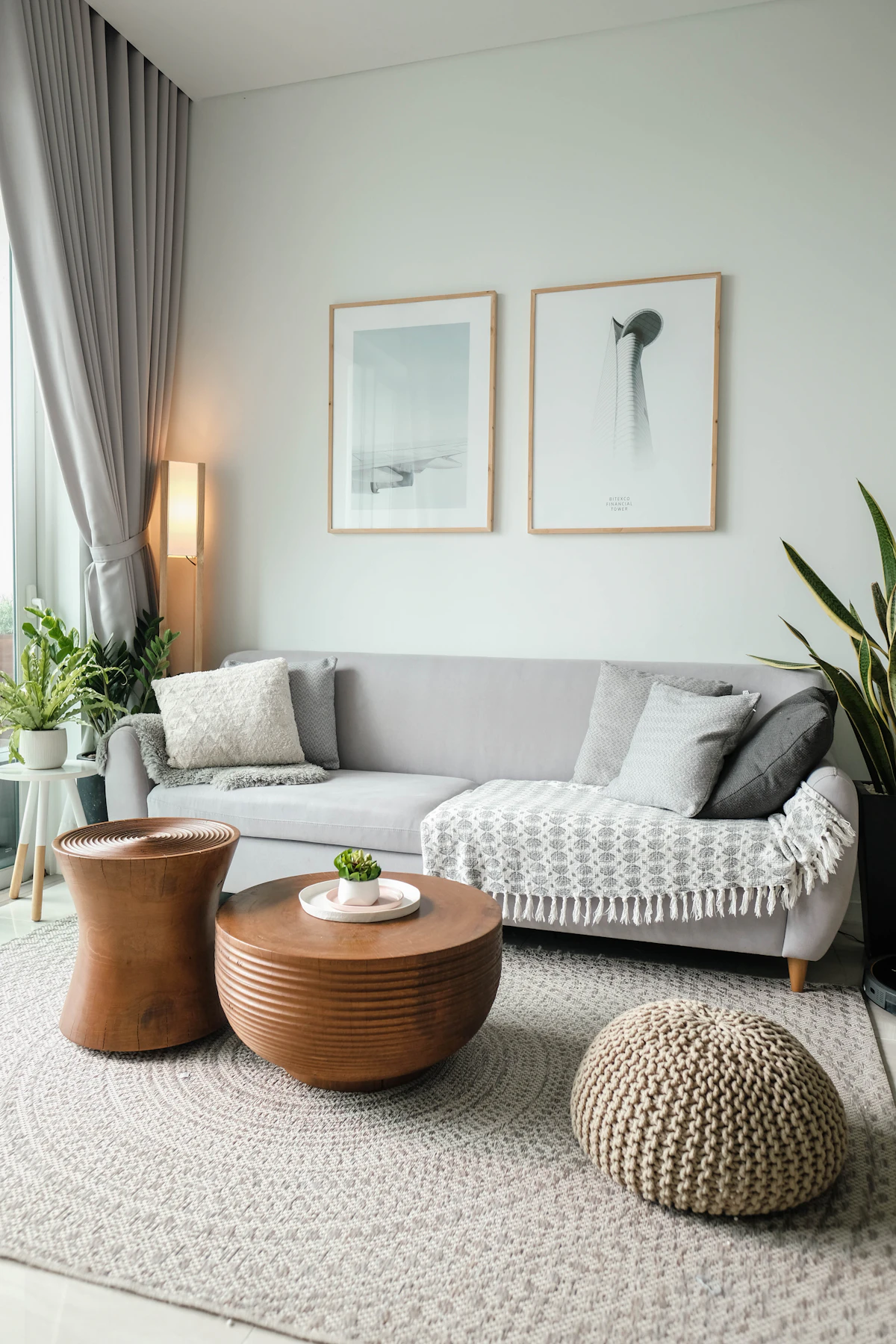
One of the most impactful rental upgrades is swapping standard light fixtures for modern plug-in wall sconces or sculptural floor lamps that do not require hardwiring. You can also address plain walls by applying removable peel-and-stick wallpaper to create a striking accent wall behind your sofa or media console. To disguise neutral wall-to-wall carpeting, layer large, high-pile area rugs to add plush texture and visually break up the monotone flooring.
Window treatments are another area where renters can make a significant visual impact. Standard rental blinds are often functional rather than stylish. Hanging floor-to-ceiling linen curtains using tension rods or damage-free command hooks draws the eye upward, creates an illusion of higher ceilings, and introduces an instant layer of modern sophistication to the room.
Maximizing Small-Space Layouts in Urban Homes
Compact living rooms present unique spatial challenges, particularly in metropolitan apartments where every square foot counts. Designing a modern small space requires prioritizing multi-functional furniture and keeping pathways completely clear. Bulky entertainment centers and oversized sectionals can quickly overwhelm a modest room, whereas streamlined silhouettes maintain an open, airy atmosphere.
Consider utilizing modular seating arrangements or nesting coffee tables that can be easily tucked away when hosting guests. Transparent acrylic chairs or glass-topped tables are also excellent choices for small rooms because they allow light to pass through visually, reducing clutter. When mounting a television, use a slim-profile wall mount and route cables cleanly to eliminate the need for a heavy media credenza.
Vertical space is your greatest asset in a compact living room. Install floating bookshelves near the ceiling to draw the eye upward and display curated collections of books and ceramics. Large mirrors positioned opposite windows will reflect natural daylight, instantly doubling the visual depth of the room and making tight layouts feel remarkably spacious.
Frequently Asked Questions
How can I make a modern living room feel cozy instead of cold?
To prevent a modern living room from feeling sterile, focus heavily on textures and lighting. Incorporate natural materials like warm woods, stone, leather, and woven textiles such as wool rugs and chunky knit throws. Use a layered lighting scheme with warm bulb temperatures rather than relying on bright overhead white light.
What are the best renter-friendly ways to update a living room?
Renters can modernize their spaces without breaking lease agreements by using peel-and-stick accent wallpaper, plug-in wall sconces, heavy floor-to-ceiling drapery hung on tension rods, and large area rugs to cover unwanted carpeting. These reversible changes create a custom look with zero permanent damage.
How do I choose the right rug size for a modern living room?
A common mistake is choosing an area rug that is too small. In a modern layout, aim for an area rug large enough that at least the front legs of all major seating pieces—such as the sofa and armchairs—rest comfortably on it. This visually anchors the furniture group and ties the room together.


