Revamping a living room does not always require knocking down walls or ordering custom built-ins. Whether you have lived in your home for decades or recently signed a lease on an apartment, making your main gathering space feel intentional, stylish, and comfortable comes down to thoughtful edits. By balancing layout adjustments with curated accessories, you can radically alter the atmosphere of a room without touching a paintbrush or exceeding a modest budget.
The secret to a successful room transformation lies in understanding your architectural constraints and working with them rather than against them. Renters face unique limitations regarding permanent fixtures, while homeowners often struggle with decision fatigue when considering long-term investments. By focusing on versatile design pillars—such as textiles, lighting, and strategic furniture placement—both groups can achieve a polished, cohesive aesthetic that feels deeply personal.
Foundation and Layout Adjustments
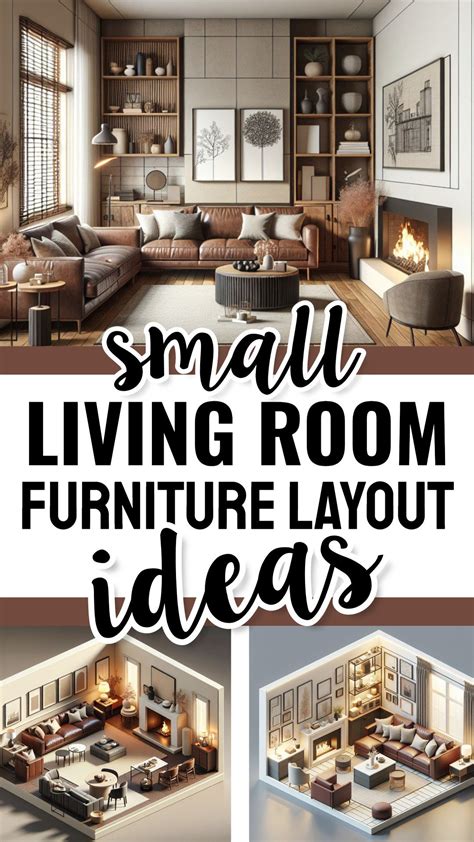
Your furniture arrangement sets the absolute baseline for how functional and inviting your living room feels. Many people instinctively push all their seating against the perimeter walls, creating a hollow center that lacks intimacy. Pulling your sofa and armchairs inward, even by just a few inches, creates a cozier conversation area and improves overall traffic flow.
When establishing your layout, always let the room’s natural focal point dictate your primary seating orientation. If you have a fireplace, large windows with a view, or even an architectural accent wall, anchor your main furniture pieces around it. For homeowners, this might involve reconfiguring heavier pieces or investing in modular sectional seating. For renters working with awkward layouts, floating furniture helps define distinct functional zones within an open-concept floor plan without requiring permanent room dividers.
Mastering Rug Sizing and Placement

One of the most common design mistakes in living rooms is choosing an area rug that is far too small. A postage-stamp rug in the middle of a room visually shrinks the entire space and makes furniture look disconnected. Aim for a rug large enough that at least the front legs of all major seating pieces rest comfortably on its surface, unifying the arrangement.
If purchasing a massive rug stretches your current budget, a clever designer layering trick involves placing a smaller, highly patterned or textured accent rug over a neutral, inexpensive jute or sisal base. This adds incredible visual depth and tactile richness to the floor while covering expansive rental flooring that you might not love. Jute rugs provide natural warmth, whereas vintage-inspired low-pile synthetic rugs withstand heavy foot traffic effortlessly.
Lighting Layers and Ambiance
Relying solely on harsh overhead lighting instantly flattens a room and drains its warmth. Professional interior stylists always rely on ambient, task, and accent lighting layered at different heights to create a welcoming glow. Incorporate floor lamps in dark corners, table lamps on sideboards or console tables, and warm-toned bulbs to instantly soften the mood.
If you are renting and cannot hardwire new overhead fixtures or install wall sconces, plug-in wall lights and sleek arc floor lamps offer brilliant workarounds. Many modern plug-in fixtures feature remote controls and warm LED vintage-style filaments. Homeowners can take lighting a step further by installing dimmer switches, which give you absolute control over the room’s ambiance from morning coffee to late-night relaxing.
Wall Treatments and Vertical Styling
Blank walls can make a living room feel sterile, but you do not need to commit to expensive wallpaper or permanent paint colors to fix them. Renters can utilize command-strip gallery walls, large-scale unframed canvases leaned against the wall, or tension-rod hanging systems. Leaning art rather than hanging it eliminates nail holes entirely while offering a relaxed, modern aesthetic.
For homeowners ready for a permanent statement, consider adding picture-frame molding or board-and-batten accent walls to introduce architectural character. These treatments elevate flat drywall and provide a sophisticated backdrop for furniture. When hanging art, remember the golden rule: center your artwork at average eye level, roughly 57 to 60 inches from the floor, to ensure visual balance throughout the room.
Textiles, Accents, and Personal Touches
The final layer of any living room transformation involves soft furnishings that introduce color, pattern, and tactile comfort. Swap out lightweight summer throw pillows and blankets for heavy woven wools, rich velvets, or boucle fabrics as seasons shift. These tactile elements make the space feel curated and lived-in rather than stiff and staged.
Integrate plants to bring organic life and sculptural silhouettes into dull corners. Tall fiddle-leaf figs, cascading pothos, or hardy snake plants thrive in various lighting conditions and immediately soften hard furniture lines. Finally, display books, ceramics, and personal travel mementos in odd-numbered groupings on your coffee table or bookshelves, creating effortless vignettes that tell your unique story.
Frequently Asked Questions
How can renters upgrade a living room without losing their security deposit?
Renters can make high-impact changes without risking their deposit by using non-permanent solutions. Opt for peel-and-stick wallpaper on a single accent wall, use heavy-duty adhesive hanging strips for artwork, layer large area rugs to cover unappealing flooring, and rely on plug-in wall sconces or stylish floor lamps instead of hardwired lighting.
What are some high-impact, low-cost styling changes for living rooms?
Updating your cushion covers, adding a large statement mirror to bounce natural light around the room, grouping books and decorative objects on surfaces, and introducing houseplants are some of the most cost-effective ways to radically refresh a living room’s aesthetic.
How do I choose the right rug size and layout for my living space?
Your area rug should be large enough so that the front legs of all major seating furniture rest on it. In smaller living rooms, ensure at least the front feet of the sofa touch the rug. Avoid tiny rugs floating in the center of the room, as they visually fracture the space.
What are the best ways to incorporate personality into a neutral living room?
Introduce personality through textured textiles, framed personal photography, curated collections of ceramic objects, and vibrant botanical elements. Neutral backdrops allow bold accent colors and interesting materials to stand out without overwhelming the senses.


