When embarking on a living room redesign, homeowners and renters alike often look to professional designers for cues on spatial layout, color theory, and material mixing. Across American households, living rooms serve multiple functions—acting as quiet retreats, family gathering spaces, and home offices. Reviewing a wide spectrum of designer concepts helps reveal how different layouts maximize square footage while reflecting personal aesthetic preferences. Whether you are working with a sprawling suburban suburban open-concept floor plan or a compact urban apartment, understanding core design principles makes it easier to curate a balanced and inviting environment.
To navigate the vast landscape of interior design inspiration, it helps to break down major aesthetic categories and examine how professional decorators adapt them for everyday living. From sleek modern minimalism to warm transitional styling, each approach offers distinct lessons in furniture placement, lighting layers, and textile integration. By analyzing these elements, you can selectively adopt the details that suit your lifestyle without committing to a complete, ground-up renovation.
Modern Minimalist Living Rooms: Clean Lines and Purposeful Space

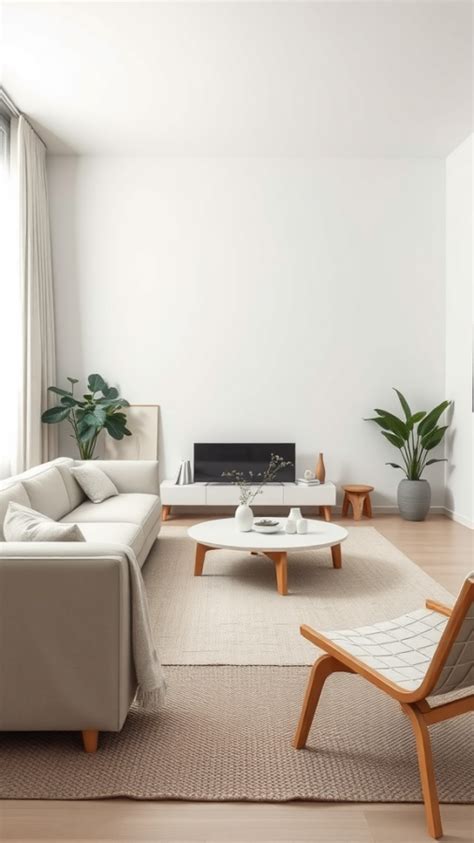
Modern minimalism relies on the philosophy that every element in a room must serve a distinct purpose or provide genuine aesthetic value. In professional designer spaces, this often translates to a restrained color palette dominated by neutral tones, crisp whites, and warm woods. Furniture pieces feature streamlined silhouettes that prevent visual clutter, allowing architectural features like large windows or hardwood floors to take center stage. When incorporating this style into a U.S. home, the key is prioritizing quality over quantity, choosing a few statement items rather than filling every corner.
Achieving a truly designer minimalist look also requires careful management of everyday storage. Because clutter disrupts the clean visual flow essential to minimalism, integrated storage solutions such as media consoles with closed cabinets or minimalist floating shelves are invaluable. Layering subtle textures—such as a smooth leather sofa paired with a flat-weave wool rug and linen drapery—prevents the minimalist aesthetic from feeling sterile or cold, introducing warmth and tactile depth without adding visual noise.
Cozy Rustic and Modern Farmhouse Aesthetics
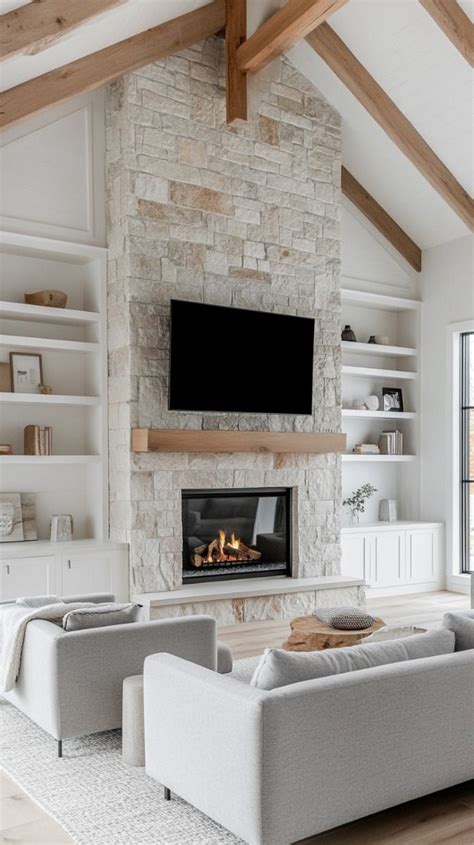
For those drawn to warmth, heritage character, and relaxed comfort, rustic and modern farmhouse living rooms offer a timeless appeal. Designers often anchor these spaces with substantial natural elements, including reclaimed wood ceiling beams, stone fireplaces, and distressed leather armchairs. This design approach embraces imperfections, making it exceptionally practical for families with children and pets. The emphasis is on durability and comfort, creating an environment where everyday use only enhances the room’s character.
Balancing rustic elements with contemporary finishes prevents the space from feeling dated or overly rustic. Pairing a reclaimed timber coffee table with a modern, structured sofa creates a sophisticated tension between old and new. Neutral background walls in soft beige or warm gray allow statement textures like woven baskets, wrought iron light fixtures, and chunky knit throw blankets to shine without overwhelming the eye.
Transitional and Traditional Spaces for Balanced Elegance
Transitional design bridges the gap between traditional classic elegance and contemporary simplicity, making it one of the most popular styles across American homes. This design philosophy combines classic furniture profiles, such as rolled-arm sofas or tufted accent chairs, with clean-lined contemporary fabrics and lighting. The result is a sophisticated yet approachable living room that feels timeless rather than tied to a fleeting micro-trend. Designers frequently use symmetry in transitional rooms to establish a calm, grounded atmosphere.
Color palettes in transitional spaces typically lean toward soft, monochromatic schemes featuring taupe, cream, and charcoal, punctuated by subtle accent hues like navy or forest green. Incorporating polished nickel or brushed brass hardware adds a layer of refined polish. Homeowners seeking a versatile backdrop that accommodates changing decor over the years will find that transitional design offers the ideal middle ground between ornate traditionalism and austere modernism.
Small-Space Living Room Solutions for Renters
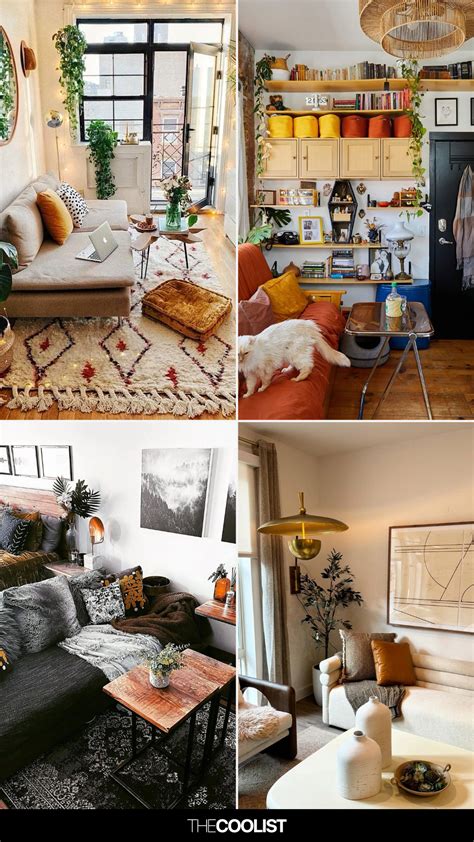
Designing a high-end living room in a compact apartment or rental property presents unique challenges, but professional designers frequently use clever spatial tricks to maximize limited square footage. Multi-functional furniture, such as storage ottomans, nesting coffee tables, and modular sofas, allows renters to adapt their layout to different occasions without permanent modifications. Wall-mounted shelving and vertical art arrangements draw the eye upward, creating an illusion of greater height and expansive volume in smaller rooms.
Renters can achieve a bespoke, designer look by focusing on non-permanent upgrades. Removable wallpaper, statement area rugs that anchor distinct functional zones, and plug-in wall sconces bypass the need for electrical or structural changes while injecting personality. Selecting a cohesive color palette for textiles and accessories also unifies a small room, preventing visual fragmentation and making the space feel intentionally curated rather than cramped.
Bold Bohemian and Eclectic Living Room Designs
For those who prefer a vibrant, highly personal environment, bohemian and eclectic living rooms celebrate the art of mixing eras, cultures, and patterns. Professional designers who work within this aesthetic rely on a disciplined approach to color and scale to prevent chaotic clutter. By establishing a neutral base—such as white walls or natural wood flooring—they create a cohesive canvas for layered vintage textiles, global prints, and abundant indoor greenery.
Mastering the eclectic look involves balancing heavy visual elements with lighter pieces. A vintage Persian rug might be paired with a sleek, modern velvet sofa and rattan accent chairs. Incorporating various metallic finishes, artisanal ceramics, and books adds curated depth, ensuring the room tells a distinct story about the inhabitants’ travels, interests, and design sensibilities.
Frequently Asked Questions
How can I incorporate designer living room ideas on a modest budget?
Focus on high-impact, non-permanent changes such as updating your lighting scheme, rearranging furniture for better flow, introducing textured throw pillows and blankets, and adding a well-sized area rug that anchors the seating arrangement.
What is the best way to choose a color palette for a small living room?
Start with a light, neutral base for large surfaces like walls and large furniture pieces to maximize natural light reflection. Introduce accent colors through easily swappable accessories like art, cushions, and tabletop objects.
How do professional designers mix different patterns successfully?
Designers typically vary the scale of patterns—combining a large-scale floral or geometric print with a medium-scale stripe and a small-scale texture—while maintaining a consistent color thread throughout the room.
Are designer living room layouts practical for households with pets and children?
Yes, many professional designers specialize in family-friendly spaces by selecting performance fabrics, durable slipcovers, washable rugs, and rounded furniture edges that withstand heavy daily wear without sacrificing style.


