Few furniture pieces invite relaxation quite like a well-designed chaise lounge. Originating centuries ago as a hybrid between a chair and a daybed, this sophisticated seating option has evolved into a staple of modern interior design. Whether placed in a spacious open-concept living room or tucked into a cozy reading nook in a suburban home, a chaise lounge offers an intentional spot for unwinding without committing to a bulky traditional sofa. However, finding the right piece requires looking beyond showroom aesthetics and evaluating how scale, upholstery, and ergonomics interact within your daily life.
When shopping for a chaise lounge, many homeowners struggle to bridge the gap between visual appeal and practical everyday comfort. A piece that looks striking online might overwhelm a compact apartment living room or lack the proper lumbar support for an afternoon of reading. Understanding how to evaluate dimensions, fabric resilience, and structural framing will ensure your investment enhances both the functionality and beauty of your living space for years to come.
Evaluating Space and Layout for Your Chaise Lounge
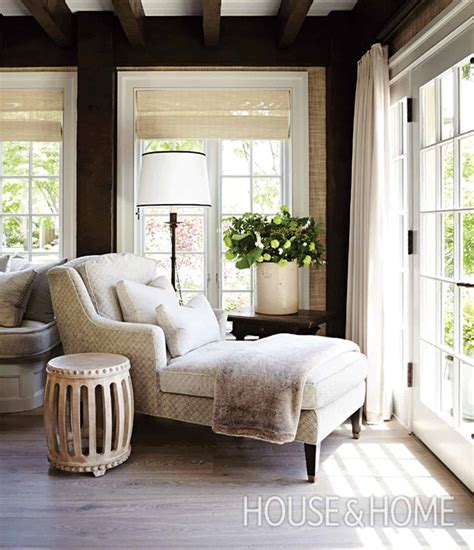
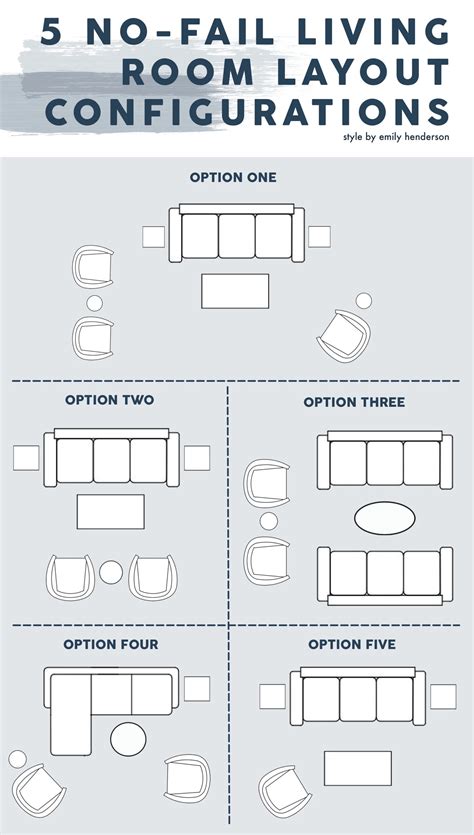
Before browsing furniture catalogs or falling in love with a specific upholstery pattern, you must carefully measure your room’s available footprint and traffic patterns. American homes and apartments vary wildly in architecture, ranging from compact urban studio layouts to expansive suburban great rooms. A standalone chaise lounge typically requires a dedicated perimeter space where it will not block entryways, media viewing angles, or pathways to adjoining rooms. Map out your floor plan using painter’s tape on the floor to visualize the exact clearance required around the piece.
You also need to decide between a standalone chaise lounge and a sectional sofa with an integrated chaise end. Standalone pieces offer incredible design flexibility, allowing you to float them in a room, angle them toward a window, or easily relocate them during a room redesign. On the other hand, sectional chaises maximize seating capacity in larger family rooms and create a unified visual anchor. Consider your household’s entertaining habits and daily lounging preferences before committing to a permanent layout configuration.
Selecting Durable Upholstery Fabrics for Everyday Life
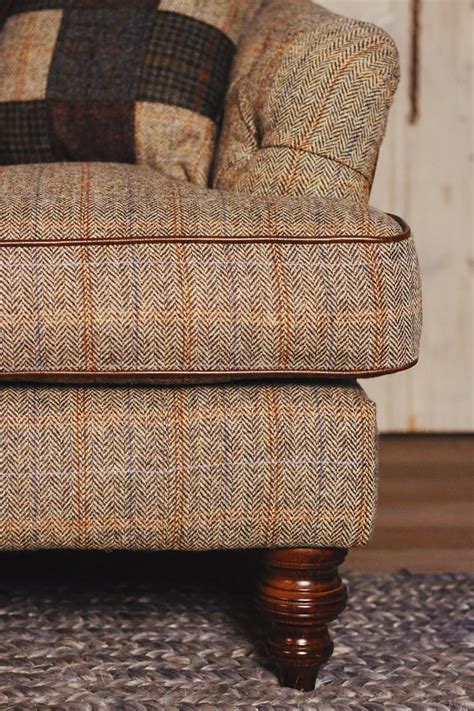
The fabric you choose dictates not only the tactile feel of your chaise lounge but also its longevity and maintenance requirements. Households with pets, children, or high daily traffic demand performance fabrics that resist staining, snagging, and fading. Woven synthetic blends, such as polyester-microfiber combinations, offer exceptional durability and can often be spot-cleaned easily with mild soap and water. Textured chenille and heavy-duty canvas weaves also stand up remarkably well to rigorous daily use while maintaining a sophisticated appearance.
Conversely, if your chaise lounge is intended for a low-traffic formal parlor or a quiet bedroom retreat, you have more freedom to explore luxurious natural fibers. Velvet provides a rich visual depth and a soft hand-feel that elevates contemporary and transitional spaces, though it requires regular brushing to prevent crushing. Genuine leather develops a beautiful patina over time and wipes clean effortlessly, making it a practical yet refined choice for sunny reading corners where natural light might otherwise fade traditional cotton prints.
Balancing Ergonomics and Aesthetic Design Styles
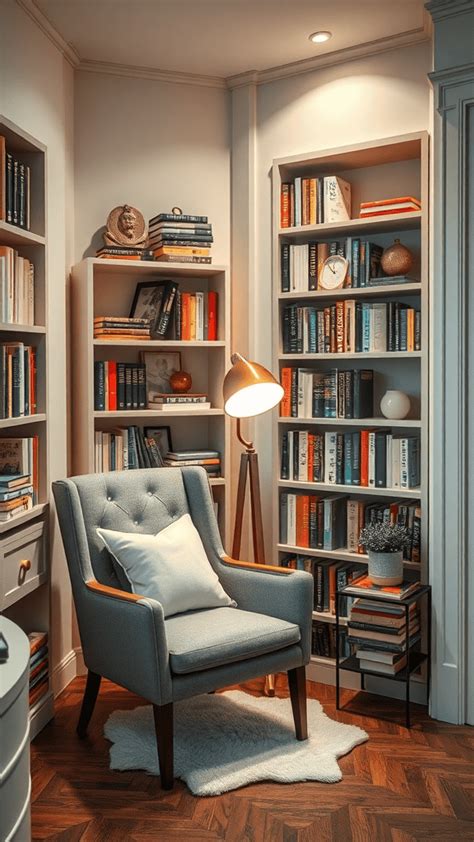
Comfort is deeply personal, and a chaise lounge must accommodate your body’s natural resting posture. Look for models with supportive high-resiliency foam cushioning wrapped in down-blend layers, which offer a supportive core coupled with a plush surface feel. The angle of the backrest is equally critical; an adjustable or gently sloped back allows you to transition smoothly from an upright reading posture to a fully reclined lounging position without straining your neck or lower back.
Visually, your chaise lounge should harmonize with your existing interior design language rather than fighting for attention. Minimalist spaces benefit from sleek, low-profile silhouettes featuring exposed metal or slim wooden legs. Traditional or bohemian rooms can accommodate tufted upholstery, rolled arms, and patterned textiles that add eclectic charm. By anchoring your selection in both ergonomic science and cohesive interior styling, you create a sanctuary of comfort tailored specifically to your lifestyle.
Frequently Asked Questions
How do I choose the right size chaise lounge for my room?
Start by measuring the available floor space and mapping the perimeter with painter’s tape. Ensure you leave at least 30 to 36 inches of clearance around the piece for comfortable walking paths and to prevent the room from feeling overcrowded.
What fabric is best for durability and easy cleaning?
Performance synthetic blends, tightly woven polyester, and treated canvas are ideal for high-traffic areas because they resist stains, wear, and pet hair. Leather is also exceptionally durable and wipes clean with minimal effort.
Should I get a standalone chaise lounge or a sectional with an attached chaise?
Choose a standalone chaise if you want design flexibility and the ability to reposition the furniture easily. Opt for an integrated sectional chaise if you need to maximize seating capacity and anchor a large family room layout.
How do I match a chaise lounge to my existing home decor?
Look at your room’s primary design cues—such as leg finishes, color palettes, and upholstery textures. Select a chaise lounge that complements these elements by echoing either the wood tones, metal accents, or dominant color family already present in the space.


