Creating a living space that feels both effortlessly stylish and completely functional is a priority for many American homeowners and renters. Whether you are outfitting a sprawling open-concept suburban home or optimizing a compact urban apartment, choosing the right furniture sets the tone for your entire household. Modern and contemporary styles offer clean lines, sophisticated silhouettes, and adaptable designs that fit seamlessly into daily routines without sacrificing aesthetic appeal.
Navigating the world of furniture selection can feel overwhelming given the sheer volume of choices available. By understanding how to define your style, balance key proportions, and select durable materials, you can build a cohesive room that looks intentional and inviting. This guide breaks down the core elements needed to curate a modern and contemporary living room tailored specifically to U.S. architectural standards and lifestyle needs.
Defining Modern Versus Contemporary Design in Living Spaces

While people often use the terms interchangeably, modern and contemporary design distinctively diverge in their historical roots and visual language. True modern design refers to a specific fixed period—the early to mid-20th century—characterized by earthy neutrals, organic silhouettes, and unadorned structural elements rooted in the Bauhaus and Scandinavian traditions. It emphasizes timeless utility, warm wood tones, and fixed architectural lines that ground a room.
Contemporary design, on the other hand, is fluid and represents what is happening right now in interior styling. It borrows elements from modernism while embracing current trends, featuring bolder contrasts, sleek metals, innovative synthetic materials, and unexpected geometry. Understanding this nuance helps you curate a living room that avoids feeling like a rigid museum exhibit, allowing you to blend the warm wood finishes of mid-century modern pieces with the crisp, streamlined geometry of contemporary upholstery.
Bridging the Gap Between Sleek and Inviting
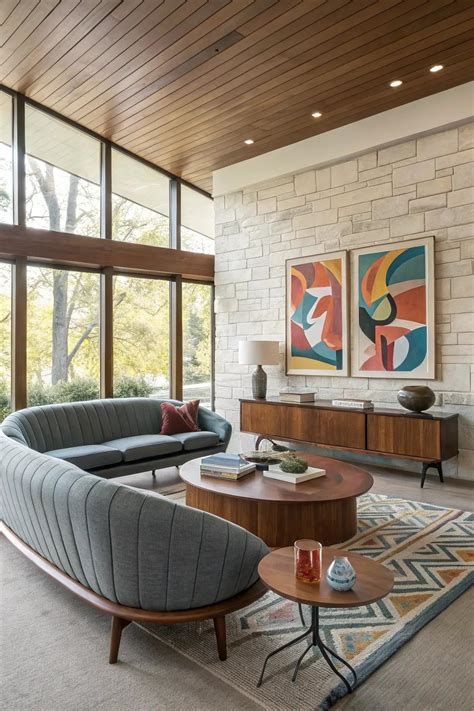
A common concern with modern and contemporary furniture is that minimalist silhouettes can sometimes lean toward cold or sterile. To counteract this, thoughtful styling relies heavily on layering textiles and introducing organic imperfections. Incorporating tactile elements like chunky wool throw blankets, woven jute rugs, or raw-edge ceramic decor softens the sleek edges of metal-frame seating and glass-topped coffee tables.
Consider balancing stark monochromatic palettes with warm textural contrasts. If your foundational pieces feature polished chrome legs and crisp white leather, anchor the seating arrangement with a thick-pile bouclé armchair or a live-edge solid wood coffee table. These deliberate contrasts create visual depth and ensure the space remains welcoming for family movie nights and weekend gatherings alike.
Selecting Essential Furniture Pieces for Your U.S. Living Room
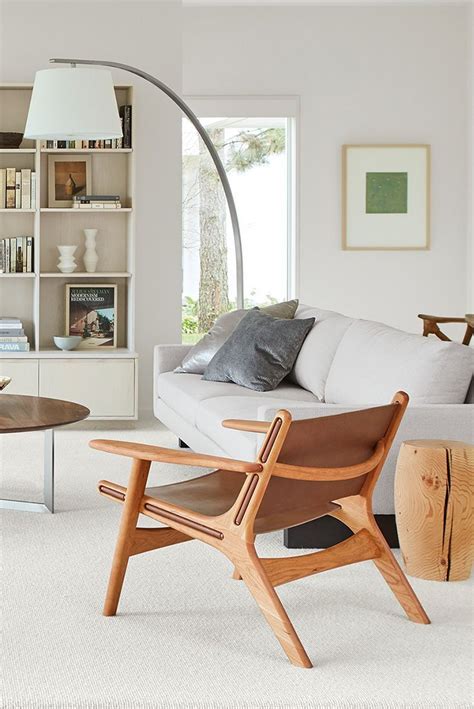
Every well-designed living room centers around anchor furniture pieces that dictate the room’s flow and functionality. The sofa usually serves as the visual and physical anchor of the space. In modern and contemporary design, look for low-profile frames, track arms, or gently flared silhouettes that keep sightlines open—a crucial consideration for typical U.S. open-concept floor plans where the living room flows directly into the kitchen or dining area.
Complementing the sofa requires careful selection of accent chairs, media consoles, and coffee tables that echo the room’s design language without matching completely. Eschew matching living room sets in favor of curated groupings. Pair a streamlined fabric sofa with a sculptural leather armchair and a nested coffee table set. This collected approach adds architectural interest and prevents the room from looking flat or overly staged.
Choosing Durable Fabrics for Real Life
When selecting upholstered furniture, aesthetic appeal must be balanced against everyday durability, especially in households with children, pets, or frequent guests. Performance fabrics have revolutionized contemporary furniture design by offering advanced stain resistance and moisture repellency without sacrificing softness or luxury.
Woven textiles with textured blends, such as polyester-linen mixes or heavy-duty chenille, mask daily wear much better than flat cotton weaves. Leather is another exceptional choice for modern and contemporary spaces, developing a rich, supple patina over time while remaining remarkably easy to wipe clean. Prioritizing these hardworking materials ensures your investment maintains its pristine look through years of daily living.
Optimizing Space and Layout in American Homes

U.S. living rooms vary dramatically in scale, ranging from compact urban studio apartments to expansive suburban great rooms. Successful furniture arrangement begins with proper traffic flow and scale. Ensure there is at least thirty inches of clear walkway around primary furniture groupings, and resist the temptation to push every piece of furniture directly against the walls, which can make even a large room feel hollow and disconnected.
In smaller homes, multi-functional furniture is an indispensable strategy for maintaining a clutter-free environment. Look for storage ottomans that double as extra seating or coffee table surfaces, modular sectionals that can be reconfigured when hosting guests, or sleek media consoles with integrated cable management and concealed cabinet space to hide everyday clutter.
Scale and Proportion Guidelines for U.S. Spaces
Choosing furniture that matches the literal proportions of your room prevents spatial awkwardness. In rooms with high ceilings, balance the vertical volume by choosing furniture with substantial presence, such as a tall shelving unit or floor-to-ceiling drapery, combined with lower-profile seating to keep the human scale comfortable.
Conversely, in tighter spaces, elevate furniture legs off the floor to allow light to pass underneath. Sofas and sideboards with exposed wooden or metal legs create an illusion of greater floor space by keeping the field of vision unobstructed, making modest rooms feel remarkably open and airy.
Frequently Asked Questions
What is the difference between modern and contemporary living room furniture?
Modern furniture refers to a distinct design era from the early-to-mid 20th century featuring organic shapes, warm wood tones, and minimalist functionality. Contemporary furniture represents current design trends, often featuring bolder contrasts, innovative materials, sleeker metals, and shifting geometric silhouettes.
How do I choose the right sofa size for my living room layout?
Measure your living room dimensions carefully, ensuring you leave at least 30 inches of clearance for walkways. For standard U.S. living rooms, make sure your sofa leaves enough breathing room on either side so it does not overpower the walls or block entryways.
What are durable yet stylish fabrics for homes with pets and kids?
Performance fabrics like stain-resistant microfiber, heavy-duty chenille blends, and top-grain leather are ideal. They offer high durability against daily wear and tear while maintaining a sophisticated, modern aesthetic that is easy to clean.
How can I make a contemporary living room feel warm and inviting rather than cold?
Combat a sterile look by layering textures such as wool throw blankets, natural jute rugs, wood accents, and warm ambient lighting. Mixing organic elements with sleek metal and glass surfaces instantly adds cozy depth.
What are the best multi-functional furniture pieces for small spaces?
Storage ottomans, modular sectionals, nesting coffee tables, and media consoles with concealed cabinets are excellent choices. They maximize utility and minimize clutter in compact apartments without sacrificing style.


