When anchoring a living room, few furniture pieces hold the enduring appeal of a classic leather sofa. Far from being a rigid or intimidating statement piece, quality leather seating offers an inviting, tactile foundation that evolves gracefully alongside your household. In American home design, the leather sofa has long served as a bridge between rugged traditional craftsmanship and sleek contemporary comfort. Selecting the right piece requires looking beyond initial visual impressions to evaluate structural integrity, leather grades, and how the material will integrate into your daily living patterns over the coming decades.
Understanding what makes a leather sofa truly timeless involves examining both material science and furniture construction. Unlike fabric upholstery that may trap dust and absorb everyday spills permanently, premium leather responds organically to its environment. It warms to the touch, adapts to ambient room temperatures, and develops a rich, individualized patina through years of regular use. By prioritizing genuine construction standards and thoughtful placement, you can invest in a seating option that anchors your home decor with understated sophistication.
Hallmarks of American Leather Craftsmanship
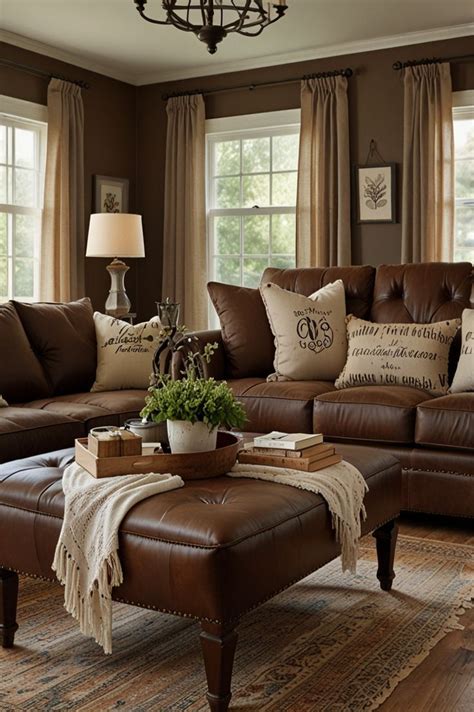
When shopping for leather furniture within the United States market, craftsmanship standards dictate both the lifespan and structural safety of the sofa. Premium American manufacturers typically utilize kiln-dried hardwood frames constructed from robust lumber such as oak, maple, or ash. These kiln-dried frames prevent warping, cracking, or shifting over humid summers and dry winter heating seasons. Additionally, high-end domestic construction frequently incorporates eight-way hand-tied spring suspension or heavy-duty sinuous coils, ensuring that the seating platform maintains its resilient bounce and support without sagging prematurely under daily weight.
Beyond the internal framework, the stitching and joinery reveal the true caliber of the piece. Reinforced double-stitching along high-stress seams prevents fraying, while tailored cushions filled with high-resiliency foam wrapped in down-blend channels provide both sculptural structure and sinking comfort. Evaluating these hidden details helps homeowners distinguish mass-produced import models from durable, heirloom-quality furniture built to withstand active family rooms, energetic pets, and daily hosting duties.
Navigating Leather Grades and the Aging Process
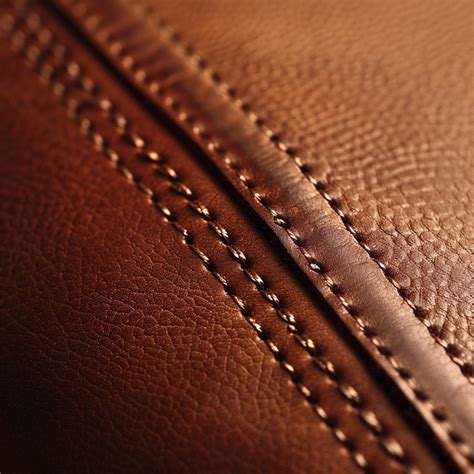
Choosing the correct leather grade is the single most important decision impacting how your sofa will look and feel after years of use. Full-grain leather, taken from the very top layer of the hide, retains all of its natural grain markings, pores, and subtle texture variations. Because it undergoes minimal processing, full-grain leather breathes exceptionally well and develops a magnificent, lustrous patina over time. As oils from daily lounging interact with the surface, the leather darkens slightly in high-touch areas, creating a deeply personalized, lived-in aesthetic that synthetic materials simply cannot replicate.
For households seeking a balance between natural beauty and predictable maintenance, top-grain leather is sanded and lightly corrected to remove natural surface flaws before a protective finish is applied. This creates a more uniform appearance and offers slightly better stain resistance against accidental liquid spills or pet claws. While corrected-grain or bonded alternatives may appear attractive initially, they lack the structural integrity, breathability, and aging potential of genuine full-grain and top-grain hides, making them less suitable for long-term investments.
Styling Your Leather Sofa Across Different Interior Aesthetics

Integrating a leather sofa into your existing decor depends heavily on balancing tones, textures, and ambient lighting within the room. In a modern minimalist apartment, a cognac or saddle-tan leather sofa introduces organic warmth that prevents neutral gray walls and sleek metal accents from feeling sterile. Pair the sofa with a textured wool area rug, matte black coffee tables, and subtle linen drapery to create a layered, harmonious environment where the rich leather acts as the natural focal point.
For traditional or transitional American homes, darker leather tones like deep chestnut, oxblood, or chocolate brown establish a grounded, library-like ambiance. These richer shades pair exceptionally well with classic architectural elements such as wainscoting, brick fireplaces, and hardwood floors. To soften the visual weight of dark leather, incorporate tactile accent pillows in woven cotton or velvet, along with brushed brass floor lamps that bounce warm light off the soft leather surface during evening hours.
Practical Care and Long-Term Maintenance
Maintaining a leather sofa is surprisingly straightforward when approached with consistency rather than intensive intervention. Regular dusting using a soft, dry microfiber cloth prevents microscopic abrasive particles from settling into the natural grain pores. For routine upkeep, wiping the surface down with a damp cloth every few weeks removes casual body oils and surface dirt before they can accumulate. It is vital to avoid harsh chemical cleaners, ammonia, or all-purpose detergents, as these substances strip away natural tanning oils and lead to premature cracking or fading.
Protecting your investment also involves considering environmental placement within your living space. Direct, prolonged exposure to harsh sunlight through large picture windows can fade even the highest quality leather over time, making strategic furniture placement or UV-filtering window treatments essential. Applying a specialized leather conditioner once or twice a year replenishes lost moisture, keeps the material supple, and ensures that your classic centerpiece continues to look inviting and well-cared-for for generations to come.
Frequently Asked Questions
What is the difference between full-grain and top-grain leather for a sofa?
Full-grain leather is the highest quality grade, using the entire hide with all its natural markings intact. It breathes well and develops a rich patina over time. Top-grain leather has had the top surface lightly sanded to remove imperfections and features a protective finish, making it more uniform and slightly easier to clean.
How do I prevent my leather sofa from cracking over time?
Preventing cracks involves keeping the leather moisturized and away from extreme heat sources. Avoid placing your sofa directly against heating vents or in direct, glaring sunlight. Apply a high-quality leather conditioner annually to restore essential oils and maintain suppleness.
Are leather sofas a good choice for homes with pets?
Many pet owners successfully use leather sofas because hair and dander do not weave into the material as they do with fabric. However, sharp cat claws can puncture delicate aniline leather. If you have pets, durable top-grain leather with a protective finish is generally more resilient against minor scratches.
How do I clean accidental spills on a leather sofa?
Blot liquid spills immediately with a clean, dry, absorbent white cloth or paper towel—never rub, as rubbing pushes the liquid deeper into the pores. For stubborn spots, use a mixture of distilled water and a tiny drop of mild, pH-balanced soap, then wipe dry with a clean cloth.


