Finding the ideal side table often feels like an afterthought in interior design, yet this compact piece of furniture holds immense functional and aesthetic power. Whether you are settling into a sunlit suburban living room or maximizing space in a metropolitan rental apartment, the right side table anchors your seating arrangement while offering a convenient surface for lighting, beverages, and personal decor. Because American homes vary widely in scale—from sprawling open-concept layouts to historic brownstone alcoves—approaching your search with a clear understanding of proportion, material durability, and lifestyle needs ensures you choose a piece that truly works for your daily routine.
Navigating the market requires looking beyond surface-level trends to evaluate how a table integrates into your existing spatial flow. Renters often prioritize lightweight portability and modular versatility, ensuring the piece can easily transition to a new floor plan during a lease relocation. Meanwhile, homeowners may lean toward heavier, permanent statement pieces featuring rich hardwoods or cast stone that establish a grounded, cohesive feel. By balancing practical constraints with intentional design choices, you can select a side table that elevates your interior aesthetic without sacrificing everyday utility.
Mastering Scale and Proportion: Height Rules for Seating
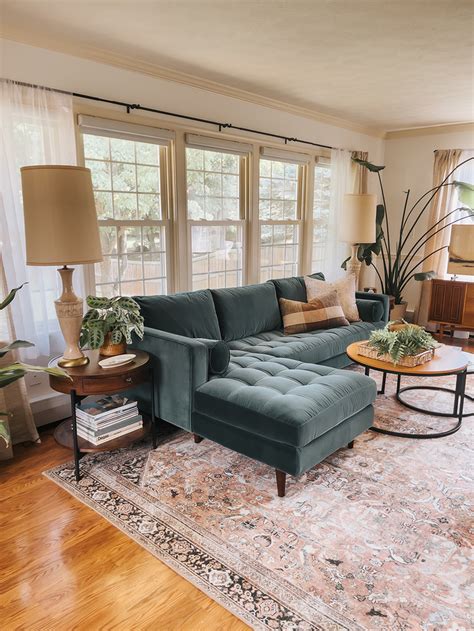
The single most common mistake when selecting a side table is ignoring vertical proportion. A table that sits too high or too low relative to your sofa arm or mattress creates awkward physical friction, making it difficult to set down a cup of coffee or reach for a book without straining. Establishing baseline measurements before shopping prevents costly trial and error in your living room or bedroom layout.
As a reliable standard rule, your living room side table should generally sit within an inch or two of the sofa’s arm height. If your sofa features low, contemporary track arms, look for sleek, low-profile accent tables or stools that maintain a harmonious visual line. Conversely, traditional rolled arms call for taller pedestals or drum tables. For bedrooms, aim for a nightstand surface that aligns evenly with the top of your mattress, ensuring easy access to nighttime essentials.
Smart Solutions for Apartments and Rentals
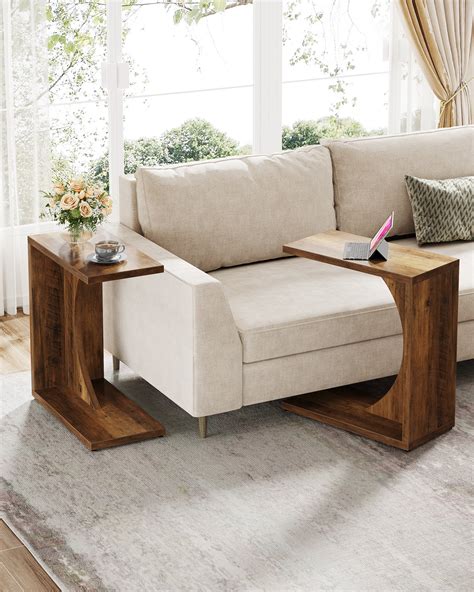
Lease agreements and compact square footage call for furniture that delivers maximum impact with minimal permanence. Renters frequently contend with narrow living rooms, tight corners, and strict rules against modifying walls or floors. Selecting clever, adaptable furniture ensures your home feels curated rather than crowded, even when working with minimal square footage.
C-shaped tables represent one of the most effective solutions for small-scale layouts, sliding neatly underneath a sofa base to provide a stable laptop or writing surface without blocking walking paths. Nesting tables are another brilliant rental investment; they expand to provide extra tabletop space when hosting guests and tuck compactly underneath one another during quiet evenings. When shopping for rental-friendly pieces, focus on lightweight constructions featuring integrated floor protectors on the legs to safeguard delicate hardwood or laminate surfaces against scratches.
Balancing Material Trends: Wood, Metal, Stone, and Glass
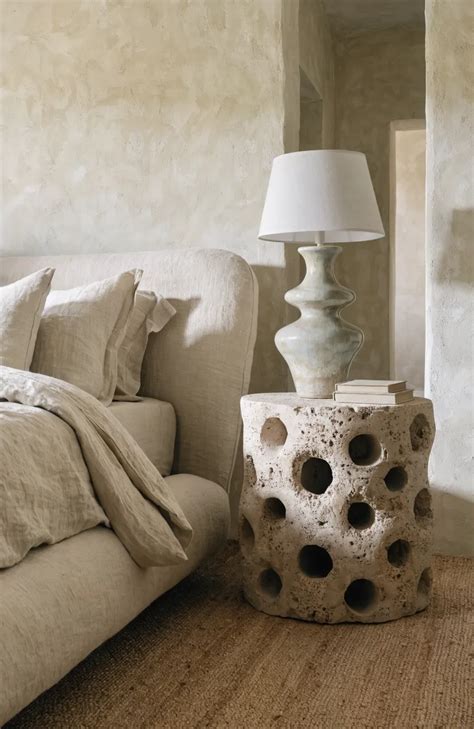
Material selection dictates both the visual weight of a room and the overall longevity of your furniture. American homes feature diverse architectural backdrops, ranging from crisp modern construction to rustic cabin aesthetics. Choosing the right material depends heavily on your household’s daily traffic, cleaning preferences, and desire for texture.
Solid hardwoods like oak, walnut, and maple offer timeless warmth and incredible durability, developing a rich patina over years of use in busy suburban family rooms. For modern urban apartments, sleek metals like brushed brass, matte black steel, or polished chrome introduce clean lines and industrial contrast without visually shrinking the floor plan. Glass and acrylic tabletops are ultimate space-amplifiers, allowing light to pass through completely, though they require routine maintenance to keep smudge-free. Meanwhile, cast stone, travertine, and marble bring organic texture and grounded weight, though their porous surfaces require careful sealant maintenance.
Styling Your Surface: Creating Intentional, Clutter-Free Displays
Once your side table is in place, the styling phase transforms raw furniture into a purposeful design element. The key to successful tabletop styling lies in balancing vertical and horizontal elements while avoiding the temptation to overcrowd the surface. A cluttered side table quickly undermines even the most expensive designer furniture.
Start with a strong vertical anchor, such as a sculptural table lamp or a tall ceramic vase with dramatic botanical stems. Next, layer in mid-level elements by stacking two or three coffee table books horizontally, which provides a natural platform for a smaller decorative object like a catchall tray or a scented candle. Finish the arrangement with a touch of organic life—a small succulent or a trailing pothos vine—to soften rigid edges and breathe vitality into the corner of your room.
Frequently Asked Questions
How do I choose the right height for a side table?
Your side table should generally match the height of your sofa’s armrest, typically falling within an inch or two of that measurement. This ensures comfortable reachability and maintains a balanced visual proportion in the room.
What are the best side table options for small apartments?
C-shaped tables, nesting tables, and acrylic or glass tables are ideal for small spaces. C-tables slide under seating to save floor space, while glass and acrylic designs create the illusion of an open, uncluttered room.
How can I protect rental flooring with my side tables?
Always apply felt pads or rubber glides to the bottom of table legs, especially if your rental features hardwood, laminate, or luxury vinyl plank flooring that scratches easily under heavy daily movement.
What materials are most durable for homes with children and pets?
Solid woods, powder-coated metals, and heavy-duty composites resist everyday wear exceptionally well. Avoid delicate glass tops or highly porous untreated stones in high-traffic family zones.


