Designing a functional living room in an American home often comes down to a balancing act between architectural limitations and personal lifestyle needs. Whether you own a suburban craftsman with established boundaries or rent an open-plan apartment with strict lease rules, your room layout dictates how comfortable the space feels. Successful interior layouts rely on intentional spatial planning, prioritizing comfortable traffic pathways while highlighting natural focal points. By understanding how to manipulate furniture scale and vertical space, you can optimize your living area without needing a disruptive, expensive overhaul.
Defining Zones Without Permanent Walls
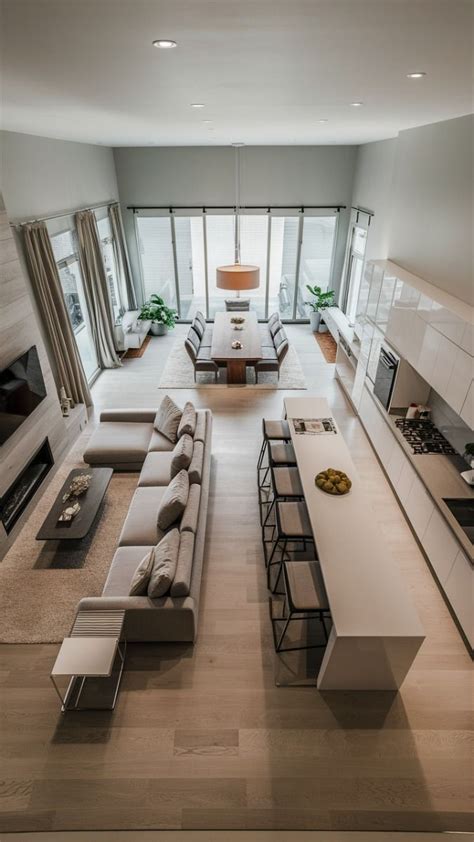
Many modern American homes feature expansive, open-concept layouts that combine living, dining, and cooking areas into one giant footprint. While this creates an airy atmosphere, it frequently leaves homeowners and renters struggling with furniture placement and a lack of spatial definition. Instead of relying on permanent drywall partitions, you can establish distinct functional zones using area rugs, lighting layers, and floating furniture arrangements. Anchor your primary seating group in the center of the room with a large area rug, leaving all major furniture legs touching the perimeter of the rug to visually tie the seating cluster together.
For homeowners looking for a permanent solution, low-profile half-walls or custom built-in bookshelf dividers can offer structural separation while preserving sightlines and natural light transmission. Renters can achieve a remarkably similar visual boundary by positioning an open-back wooden bookcase perpendicular to the wall, creating a pseudo-hallway or a dedicated work-from-home nook behind the sofa. This dual approach ensures that whether you are modifying your forever home or preparing for a future move, your living room can easily accommodate multiple activities—such as reading, entertaining, and remote work—without feeling cluttered or chaotic.
Smart Furniture Placement for Awkward and Compact Floor Plans
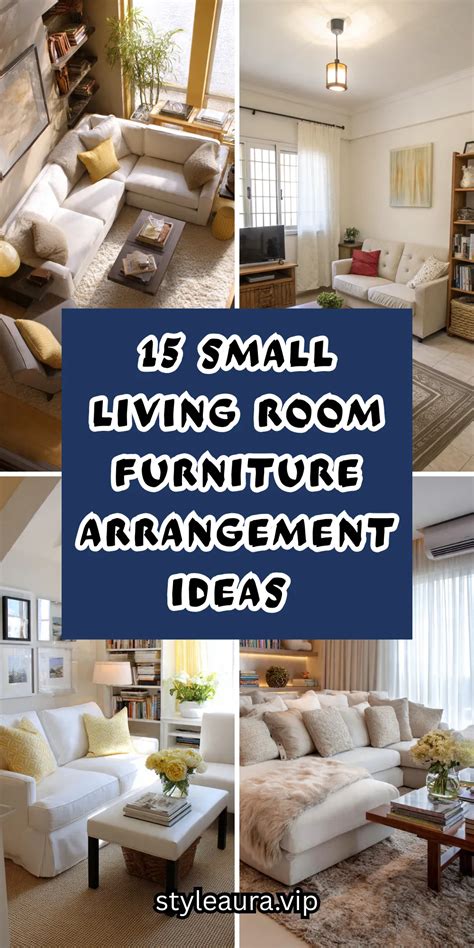
Awkward architectural features—such as diagonal corner fireplaces, numerous doorways, or long, narrow bowling-alley proportions—frequently complicate standard American living room layouts. Pushing all your furniture directly against the perimeter walls is a common mistake that actually makes a narrow space feel stark and uninviting. Instead, pull your seating arrangement slightly inward, leaving at least twelve to eighteen inches of breathing room behind sofas and chairs to create a more intimate conversation area and improve overall room flow.
When dealing with restricted square footage, modular furniture serves as an invaluable asset for both owners and renters. Homeowners might invest in custom built-in window benches with hidden storage underneath, maximizing both seating and organization. Conversely, renters can achieve the exact same functional outcome by pairing a modular loveseat with lightweight, multi-functional ottomans that double as hidden storage bins and extra seating when guests arrive. Maintaining clear pathways with at least thirty inches of walking clearance ensures the room remains safe and accessible for daily family life.
Damage-Free Wall Anchoring and Vertical Storage Alternatives
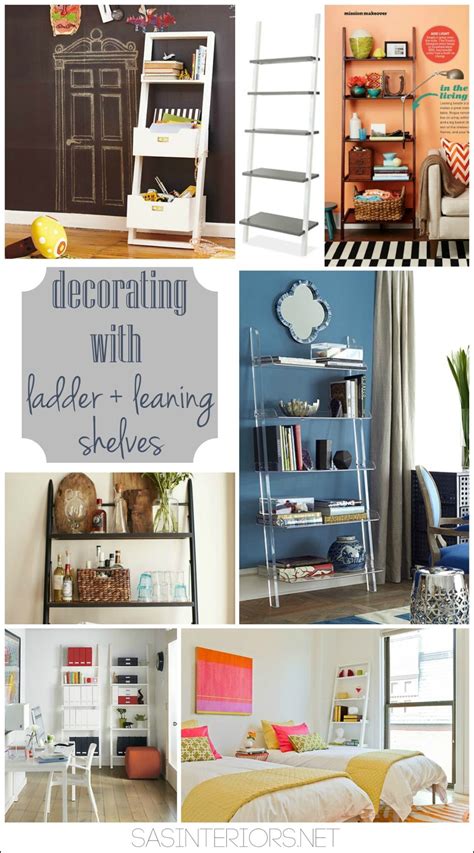
Maximizing vertical space is essential for drawing the eye upward and making a modest living room feel significantly larger. However, strict lease agreements often prevent renters from drilling into drywall, hanging heavy art pieces, or installing permanent shelving units. Fortunately, heavy-duty pressure-mounted tension poles, leaning ladder shelves, and heavy-gauge adhesive mounting systems offer robust alternatives that hold your decor securely while keeping your security deposit entirely safe from damage penalties.
Homeowners enjoying long-term stability have the luxury of anchoring heavy bookcases directly to wall studs and installing bespoke floating media consoles that conceal unsightly cords within the drywall. Renters can mimic this clean, floating aesthetic by choosing console tables with integrated wire management raceways or using paint-safe raceway channels that blend seamlessly against baseboards. By utilizing these creative vertical solutions, you eliminate floor clutter and establish a sophisticated backdrop that feels tailored and complete, regardless of whether your walls are permanently modified or left pristine for the next occupant.
Optimizing Natural Light and Focal Points
The relationship between your living room layout and available natural light heavily influences the overall mood of the space. American living rooms often feature large picture windows or sliding glass patio doors, which dictate where seating groups naturally gravitate. To maximize daylight without sacrificing privacy, arrange your main sofa perpendicular to the primary light source rather than directly facing it, which helps prevent uncomfortable screen glare and keeps the room feeling bright and open throughout the day.
Focal points also require careful consideration, particularly when a television competes with a architectural fireplace for visual dominance. Homeowners frequently build custom millwork around a fireplace to house a television discreetly behind sliding panels or cabinetry. Renters can achieve a balanced focal point by positioning a low media credenza along the primary wall and using a large-scale piece of artwork or a leaning floor mirror on the adjacent wall to bounce natural light around the room, ensuring the television does not become the sole visual anchor of the space.
Frequently Asked Questions
How can I layout a living room if I cannot drill into the walls?
You can easily layout a damage-free living room by utilizing heavy-duty leaning ladder shelves, pressure-mounted tension pole systems, and freestanding furniture like open-backed bookcases as room dividers. Command strips and heavy adhesive anchors are also useful for hanging lightweight frames safely.
What are the best furniture arrangements for long, narrow American living rooms?
For narrow rooms, avoid pushing all furniture against the outer walls. Instead, float your primary sofa and chairs inward to create an intimate conversation area. Use a long rectangular coffee table and orient your seating to break up the tunnel-like proportion of the space.
How do homeowners and renters differ in approaching focal points like fireplaces?
Homeowners often invest in permanent architectural upgrades, such as custom built-ins or recessed TV mounts above the fireplace. Renters typically rely on flexible furniture layouts, placing a media console near an outlet and using the fireplace as a purely decorative backdrop without making permanent alterations.
What layout tricks make a small apartment living room feel as spacious as a suburban home?
To maximize a small footprint, select furniture with exposed legs that allow light to pass underneath, hang curtains high and wide to exaggerate window scale, and keep floor pathways entirely clear to maintain uninterrupted visual flow.


