Decorating a compact living space requires a delicate balance between visual aesthetics and everyday utility. When square footage is limited, every single square inch must work harder to earn its place in your daily routine. Rather than viewing spatial constraints as a frustrating restriction, savvy designers treat them as an exciting opportunity to curate a refined, intentional home environment. The secret lies in making deliberate choices that prioritize streamlined silhouettes, vertical capability, and clever organizational systems that keep clutter completely out of sight.
Whether you are settling into a downtown studio or refreshing a modest suburban rental, creating a chic interior is entirely achievable with the right strategy. This guide explores proven design concepts tailored to modern urban living, helping you transform cramped rooms into breathable, stylish sanctuaries. By focusing on multi-functional investments, smart lighting tricks, and creative zoning, you can cultivate an elevated atmosphere that feels expansive, personal, and profoundly welcoming.
Embrace Multi-Functional Furniture for Maximum Efficiency
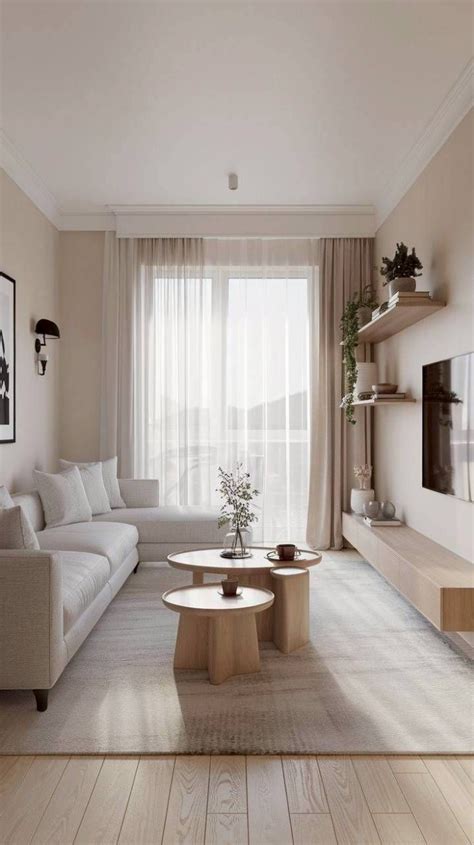
In a small home, traditional single-purpose furniture can quickly consume valuable floor space and create unnecessary bottlenecks. Selecting pieces that serve dual roles is the single most effective way to maintain an open, uncluttered living area without sacrificing comfort or hosting capability. Look for coffee tables with hidden interior storage compartments, ottomans that pull double duty as extra seating and blanket repositories, or expandable dining tables that remain compact until guests arrive.
When shopping for larger anchor pieces, such as sofas or media consoles, prioritize silhouettes with exposed legs rather than heavy, skirted frames. Elevated furniture allows light to flow underneath the piece, tricking the eye into perceiving the room as much larger than it actually is. Additionally, consider modular seating systems that can be easily reconfigured depending on whether you are lounging solo or hosting a weekend gathering for friends.
Clever Hidden Storage Solutions

Integrating storage directly into your furniture framework eliminates the need for bulky storage chests that crowd small floor plans. Platform beds equipped with built-in drawers or hydraulic lift mechanisms provide an ideal sanctuary for out-of-season wardrobes, spare linens, and bulky winter gear. Similarly, media consoles with slatted doors allow remote controls to function while concealing electronics, keeping horizontal surfaces clean, serene, and visually quiet.
Extendable and Nesting Tables
Nesting tables are a small-space enthusiast’s best friend because they provide flexible surface area when you need it and tuck completely away when you don’t. A set of three nesting coffee tables can be scattered across a living room during a party to hold drinks and plates, then stacked neatly together at the end of the evening. This modular approach provides immense versatility without demanding permanent square footage.
Harness Vertical Space and Creative Wall Organization
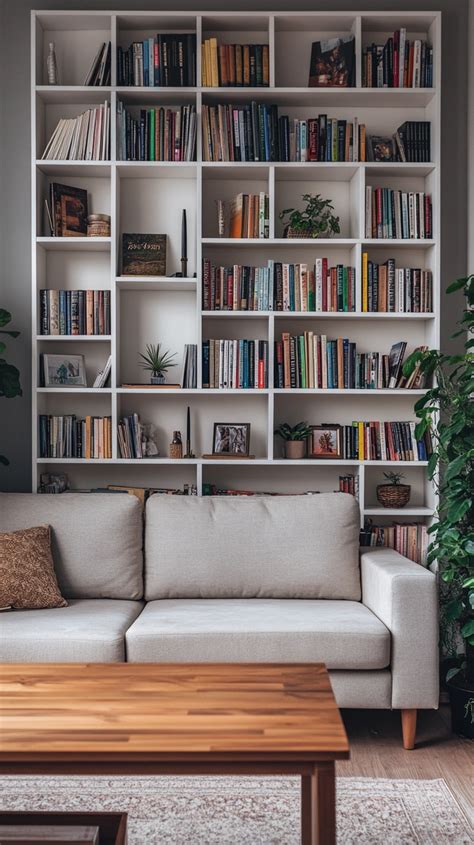
When horizontal floor space is completely exhausted, your walls offer a vast, untapped frontier for both storage and sophisticated interior styling. Floor-to-ceiling shelving draws the eye upward, emphasizing high ceilings and diverting attention away from a compact footprint. Instead of letting walls remain bare or cluttering them with random, disconnected frames, anchor your vertical strategy with cohesive shelving that displays a curated mix of books, art, and utilitarian baskets.
For renters who cannot drill extensive holes into drywall, heavy-duty tension shelving or modular leaning bookcases offer remarkable stability without permanent structural alterations. Wall-mounted desks and drop-leaf folding tables provide dedicated workspace during business hours and fold completely flat against the wall at night, instantly restoring free movement through the room.
Refine the Illusion of Space Through Light and Color
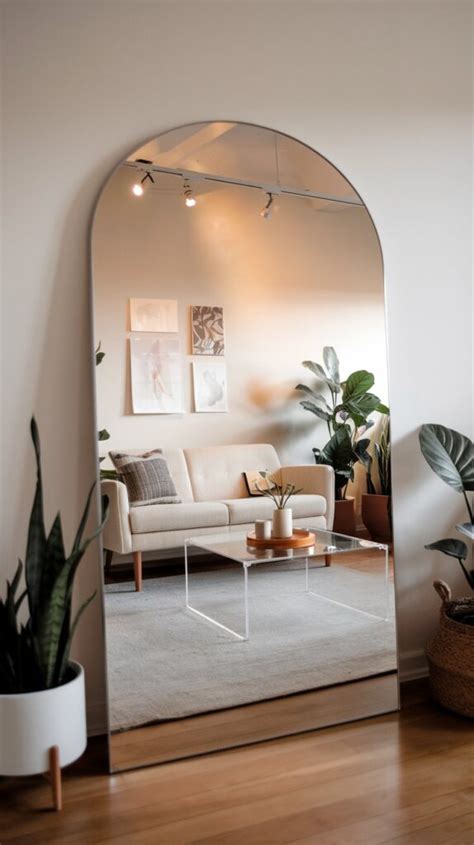
Color choice and illumination play powerful psychological roles in how we perceive the physical boundaries of a room. While high-contrast dark walls can certainly feel cozy and dramatic, lighter and mid-tone neutral palettes reflect natural sunlight far more effectively, making walls appear to recede outward. Sticking to a cohesive, monochromatic color scheme throughout adjoining spaces creates a seamless visual flow that prevents the apartment from feeling fractured or compartmentalized.
Mirrors are a classic design tool that should never be underestimated when decorating compact layouts. Placing a large, floor-length mirror opposite a primary window instantly doubles the amount of natural light flooding the space while creating the convincing illusion of a deeper room. For an elevated look, consider arched or multi-pane window-style mirrors that act as substantial architectural art pieces while expanding your field of view.
Zone Open-Concept and Studio Layouts with Purpose
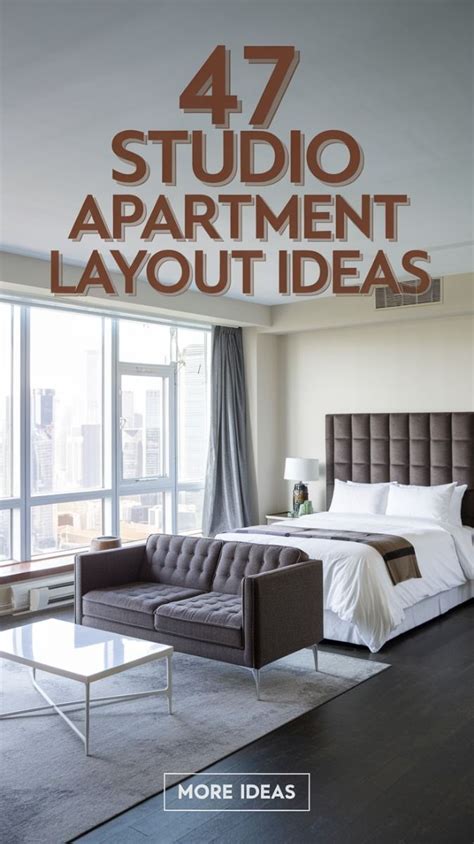
Living in a studio apartment or an open-concept layout often presents unique challenges regarding privacy, noise management, and visual organization. Without physical walls to separate functions, rooms can easily feel chaotic unless you establish distinct zones for sleeping, working, and relaxing. Rugs are among the most powerful tools for defining these zones without building physical barriers, as they visually anchor specific furniture groupings.
Another effective technique involves using open-backed bookcases or tall console tables placed behind a sofa to separate a living area from a sleeping nook or dining zone. This allows natural light to filter freely through the entire apartment while establishing clear psychological boundaries between different daily activities. The result is a harmonious, orderly interior where every function has a dedicated, well-defined place.
Frequently Asked Questions
How can I decorate a small apartment without making it look cluttered?
To avoid a cluttered look in a small space, embrace minimalism in your accessories and focus on closed storage solutions. Keep horizontal surfaces mostly clear, using stylish baskets or boxes for everyday essentials. Stick to a restrained color palette of two or three primary shades to maintain visual calm throughout the home.
What are the best furniture pieces for small spaces?
The best furniture pieces for compact homes are multi-functional and visually lightweight. Look for storage ottomans, extendable dining tables, platform beds with built-in drawers, and sofas with exposed legs that allow light to pass underneath.
How do I make a small room feel bigger using paint and lighting?
Use light, reflective paint colors like soft whites, warm grays, or gentle beiges to make walls recede. Maximize natural daylight by avoiding heavy window treatments, and place large mirrors opposite windows to bounce light deeper into the apartment.
What are renter-friendly ways to maximize storage?
Renters can maximize storage by utilizing tension-rod shelving, over-the-door organizers, modular leaning bookcases, under-bed storage bins, and freestanding wardrobe cabinets that require no permanent wall installation or drilling.


