Finding the ideal seating arrangement for an American living space requires a careful balance between spatial geometry, material resilience, and personal design vision. Whether you are settling into a newly purchased suburban open-concept home or refreshing a downtown high-rise apartment, introducing a leather sectional can instantly anchor the room. However, because sectionals are substantial investments with fixed footprints, purchasing one demands a strategic approach that accounts for doorways, traffic flows, and regional climate factors.
This guide explores how to evaluate your floor plan, decode the various grades of leather, select a renter-friendly configuration, and maintain your furniture against the varied climatic conditions found across the United States. By focusing on practical decision criteria rather than fleeting trends, you can choose a piece that delivers lasting comfort and timeless visual appeal.
Assessing Your U.S. Living Space Layout
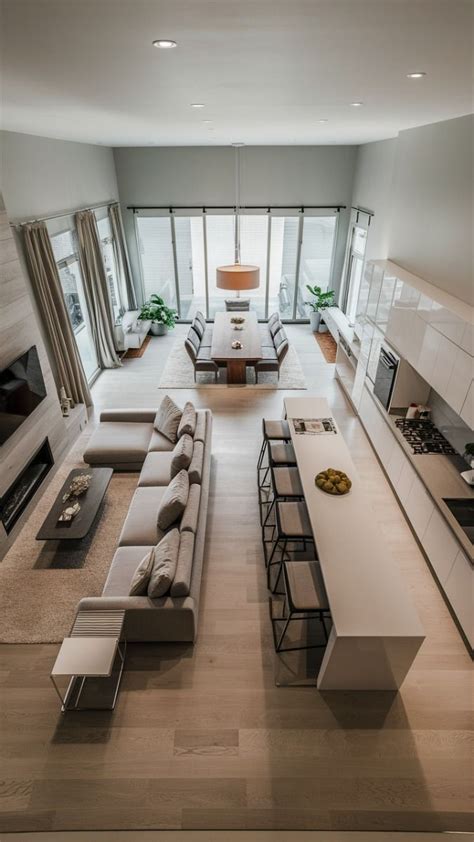
American floor plans vary dramatically, ranging from compact urban studio apartments and older brownstones with segmented rooms to sprawling suburban builds featuring open-concept kitchens and living areas. Before browsing furniture catalogs, grab a tape measure and map out your exact room dimensions, noting architectural features like radiator covers, HVAC floor vents, and outward-swinging entry doors.
For open-concept suburban layouts, a large L-shaped or U-shaped leather sectional serves as a powerful architectural divider. It creates a distinct boundary between the kitchen and the living zone without the need for physical walls. Conversely, urban apartment dwellers must prioritize scale. A massive piece can easily overwhelm a modest room, making traffic paths feel restricted. Utilizing painter’s tape on the floor to outline the sectional’s precise footprint provides an invaluable reality check before committing to a purchase.
Understanding Leather Types and Long-Term Durability
Leather is celebrated for its longevity and ability to patina gracefully over time, but not all leather hides are created equal. Knowing the differences between material grades is essential for managing expectations regarding maintenance, initial cost, and everyday resilience against kids and pets.
Full-Grain and Top-Grain Leather
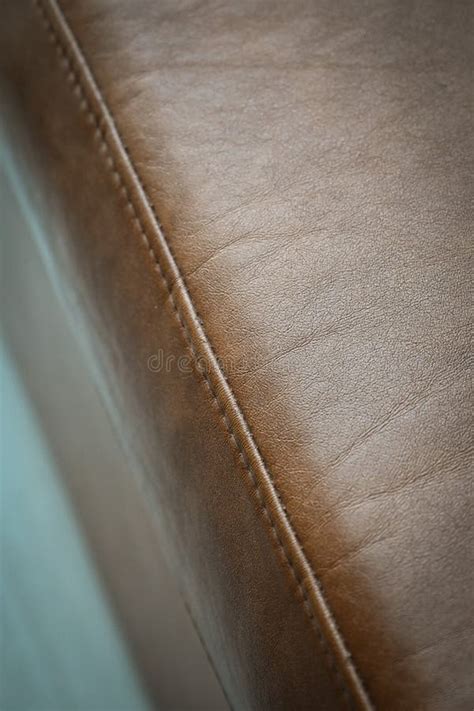
Full-grain leather is the highest quality available, utilizing the entire outer hide with all its natural markings intact. It breathes exceptionally well and develops a rich patina over the years, though it does show scratches more readily. Top-grain leather has had the uppermost layer slightly sanded to correct imperfections, making it more uniform and slightly more resistant to stains while retaining a luxurious hand-feel. Both options represent significant upfront investments that can easily last for decades with proper conditioning.
Corrected, Bonded, and Faux Alternatives
Corrected-grain leathers undergo mechanical treatments to stamp artificial textures onto the surface, offering greater uniformity and protective coatings that resist spills. Bonded leather, which blends leather scraps with polyurethane binders, is significantly less durable and prone to peeling after a few years of regular use. For budget-conscious buyers or rental properties where furniture undergoes frequent moves, high-performance synthetic faux leathers can offer a practical, water-resistant alternative that mimics the look of genuine hide without the delicate upkeep.
Selecting the Right Configuration and Orientation
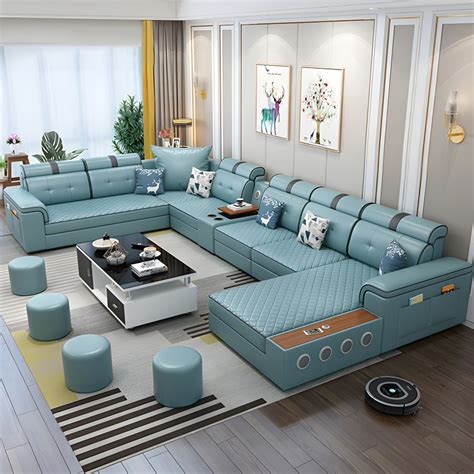
One of the most common pitfalls when buying a sectional is failing to match the chaise or return orientation to the room’s layout. Sectionals are typically designated as either Left-Arm Facing (LAF) or Right-Arm Facing (RAF), depending on which side the extended arm or chaise sits when you stand facing the piece. Choosing the wrong configuration can block a crucial doorway or trap a heating vent.
For renters and frequent movers, modular sectionals offer the ultimate adaptability. Unlike fixed-frame sectionals, modular systems consist of individual armless chairs, corners, and chaises that can be rearranged into different shapes or split across separate rooms if you relocate to a new home with a completely different floor plan. This flexibility protects your furniture investment against unpredictable future floor plans.
Balancing Aesthetic Styles: Mid-Century to Industrial
Leather furniture adapts remarkably well to a diverse range of interior design vernaculars popular across American homes. A chestnut brown leather sectional with clean lines, tufted cushions, and tapered wooden legs fits seamlessly into a mid-century modern aesthetic, pairing effortlessly with walnut sideboards and geometric wool rugs.
If your home leans toward an industrial or urban loft style, consider distressed black or charcoal grey leather paired with blackened steel frames and exposed brick walls. For transitional and modern farmhouse interiors, warm caramel or saddle-toned leather softens stark white walls and natural wood flooring, adding an organic, lived-in warmth that invites everyday relaxation.
Climate Considerations and Maintenance Across U.S. Regions
The climate inside your home plays a surprisingly vital role in how leather behaves. In arid regions like the American Southwest, low humidity can dry out natural leather, leading to stiffness and premature cracking if it is not conditioned regularly. Conversely, in humid coastal environments, proper ventilation is essential to prevent moisture accumulation and mold growth behind tightly placed sectionals.
Routine maintenance requires little more than dusting with a soft microfiber cloth and wiping down spills immediately with a damp cloth. Avoid placing leather furniture directly under intense, unshaded southern-exposure windows, as prolonged ultraviolet radiation will fade and dry out the hide over time. Applying an approved leather conditioner once or twice a year keeps the material supple and preserves its natural protective barrier.
Frequently Asked Questions
How do I measure my U.S. living room or apartment layout for a leather sectional?
Start by measuring the total wall space available and mapping out walking paths, ensuring at least 30 to 36 inches of clearance for foot traffic. Crucially, measure your home’s entryways, stairwells, and elevator dimensions to ensure the sectional pieces can actually fit inside your building and room during delivery.
Which leather types are best for families with kids and pets?
Top-grain leather treated with a protective semi-aniline finish is typically the best choice for busy households. It offers a protective barrier against liquid spills and is easier to wipe clean than full-grain leather, while still maintaining breathability and durability against daily wear and tear.
Are leather sectionals a good investment for renters who move frequently?
Modular leather sectionals are excellent for renters because their individual pieces can be reconfigured to fit new room dimensions or apartment layouts. However, fixed, heavy one-piece sectionals can be difficult to maneuver through tight apartment stairwells and may not fit future living rooms.
How do I style a large leather sectional in a small or medium-sized room?
To prevent a large leather sectional from dominating a modest room, pair it with light-colored walls, low-profile accent chairs with exposed legs to let light pass underneath, and a glass or acrylic coffee table that keeps the floor plan feeling open and airy.
What is the difference between top-grain, full-grain, and corrected leather in terms of longevity?
Full-grain leather is the most durable and long-lasting because it uses the entire unblemished hide, developing a rich patina over time. Top-grain is slightly sanded for uniformity but remains very durable. Corrected and bonded leathers have artificial coatings or synthetic binders that make them more prone to cracking and peeling over a shorter lifespan.


