Finding the right anchor piece for a living room often begins and ends with seating. Among all upholstery choices, a leather sofa stands out for its unique blend of durability, tactile luxury, and evolutionary patina that deepens with every year of use. Across American homes—from sprawling suburban ranch houses to compact urban apartments—leather furniture serves as a foundational element that bridges architectural styles. Whether you lean toward the clean lines of mid-century modernism or the rugged charm of industrial loft living, integrating leather requires careful thought regarding tone, grain, and room layout.
When planning a room transformation around a leather couch, homeowners must balance visual weight with everyday comfort. Darker hides offer dramatic contrast against bright white walls, while warm cognac and caramel tones infuse organic warmth into neutral spaces. By exploring twenty-five distinct design iterations categorized by style, color, and layout, you can identify the exact silhouette that elevates your daily living experience without compromising on practical demands like maintenance and spatial flow.
Mid-Century Modern and Minimalist Leather Silhouettes
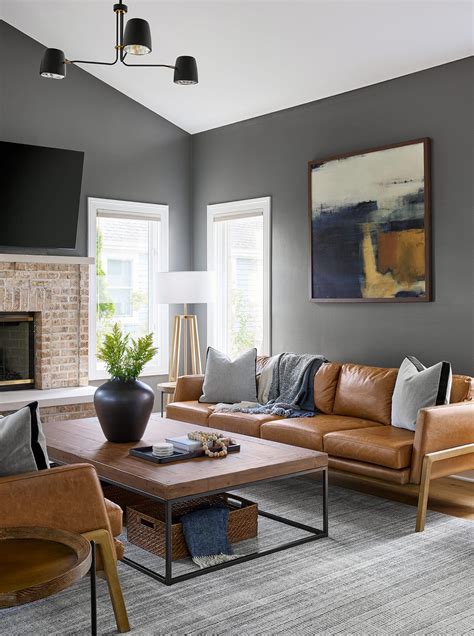
Mid-century modern design continues to influence American interior layouts, largely because its streamlined silhouettes maximize floor space while offering striking visual appeal. A quintessential mid-century leather sofa features exposed wooden frames, tapered legs, and tufted or bench-style seat cushions. These elements prevent the heavy, monolithic look that some traditional upholstered couches introduce into smaller rooms. Pairing a sleek walnut frame with a butter-soft camel or tan leather hide creates an immediate focal point that feels both intentional and effortlessly airy.
Minimalist contemporary designs take this clean-lined ethos a step further by embracing low profiles, track arms, and concealed hardware. In an open-concept suburban home, a low-slung black or charcoal leather sofa maintains unobstructed sightlines across the floor plan. To prevent minimalist spaces from feeling austere, pair these sleek couches with textured elements like chunky wool throw blankets, brushed brass floor lamps, and natural jute area rugs. This intentional layering softens the crisp edges of modern leather upholstery and invites long hours of relaxation.
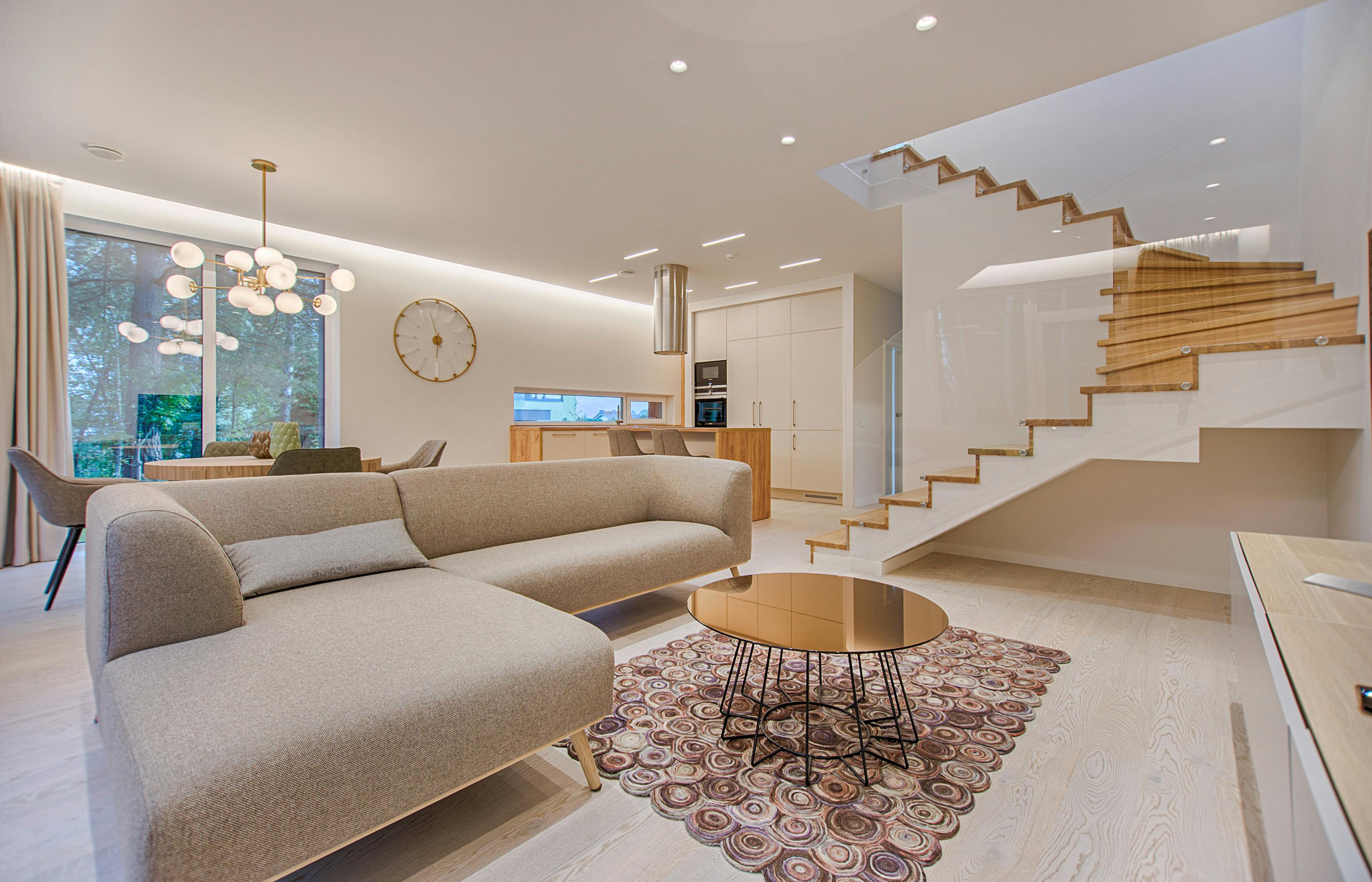
Industrial, Distressed, and Vintage-Inspired Designs
For homes featuring exposed brick, reclaimed wood accents, or architectural metal beams, industrial and distressed leather sofas provide an authentic textural counterpoint. Unlike pristine hides, distressed leather is treated to showcase natural markings, color variations, and a broken-in patina straight from the showroom floor. Cognac, tobacco, and saddle brown colorways work exceptionally well in these rugged environments, developing deeper character as minor scuffs and everyday use blend into the material.
Vintage-inspired Chesterfields with deep button tufting and rolled arms also find a natural home within industrial or eclectic settings, serving as a sophisticated bridge between eras. When styling a distressed or vintage leather couch, consider surrounding it with contrasting textures such as velvet accent pillows, distressed iron coffee tables, and vintage Persian rugs. The interplay between smooth, worn leather and rough-hewn surfaces adds rich visual depth that prevents a room from looking flat or overly coordinated.
Sectionals and Large-Scale Arrangements for Open Living Spaces
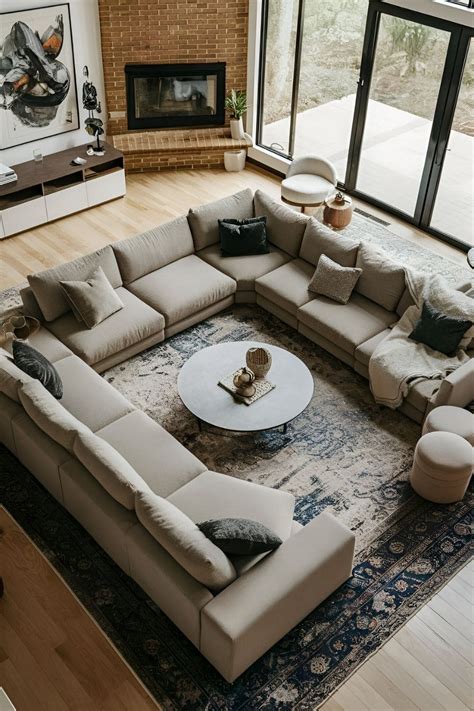
Large open-concept layouts found in many contemporary American houses require seating arrangements that can physically and visually anchor expansive square footage. Leather sectionals—ranging from L-shaped configurations to sprawling modular pit sofas—provide generous seating capacity while defining conversation zones within cavernous rooms. Selecting a durable top-grain leather in a versatile shade like warm taupe or dark espresso ensures the sectional can withstand high-traffic family use while maintaining a sophisticated aesthetic.
Arranging a large leather sectional requires careful attention to traffic flow and focal points. Rather than pushing every piece of furniture against the perimeter walls, “floating” a sectional in the center of the room creates an intimate, inviting enclave. Pair the arrangement with a large-scale area rug that extends at least a few inches beneath the front legs of the sofa, anchoring the grouping. Incorporate ambient lighting, such as a statement arch floor lamp or paired side tables, to ensure the expansive seating zone feels warm and well-lit during evening hours.
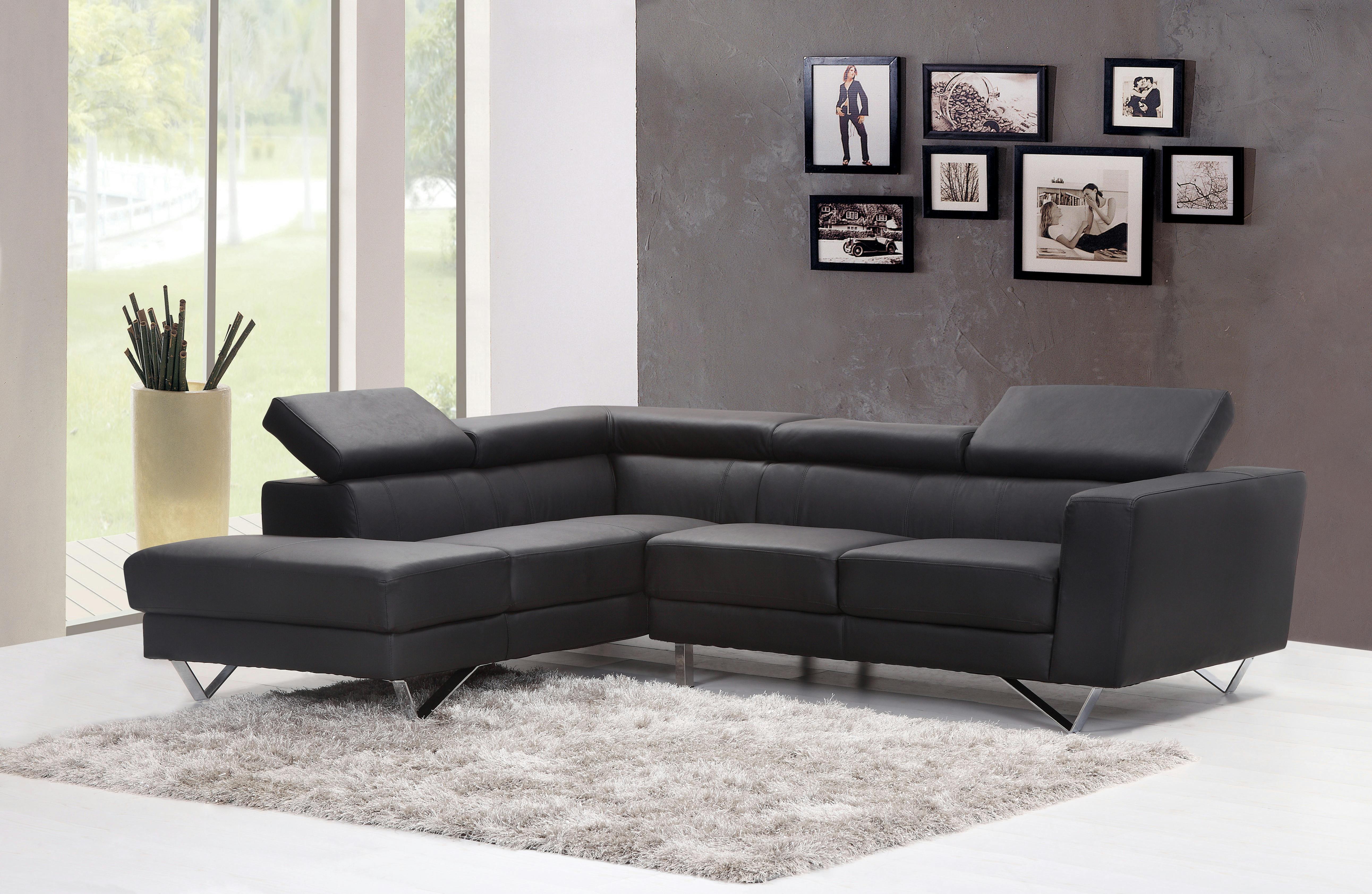
Understanding Leather Grades and Practical Maintenance
Investing in a leather sofa requires understanding the structural differences between leather grades to ensure longevity. Full-grain leather represents the highest quality, utilizing the entire hide with its natural grain intact, allowing it to breathe and develop a rich patina over time. Top-grain leather is sanded slightly to remove imperfections and finished with a protective coating, making it more stain-resistant and ideal for households with children or pets. Split leather and bonded options offer budget-friendly alternatives, though they lack the durability and breathable comfort of upper-tier hides.
Maintenance routines for leather upholstery are straightforward when approached consistently. Regular dusting with a soft, dry microfiber cloth prevents abrasive dirt particles from settling into the creases of the leather. For routine conditioning, apply a specialized leather conditioner every six to twelve months to maintain suppleness and prevent cracking, particularly in homes with dry winter climates or direct sunlight exposure. Promptly blotting liquid spills with a clean, dry cloth preserves the finish, ensuring your chosen design remains a centerpiece of comfort for decades.
Frequently Asked Questions
What leather sofa designs are trending in American homes?
Current trends favor clean-lined mid-century modern silhouettes, relaxed slouchy leather sectionals, and classic Chesterfield designs updated with modern proportions and lighter leather hues like cognac and cream.
How do I choose the right leather color for my living room?
Consider your room’s natural light and existing color palette. Cognac and tan warm up cool, neutral spaces, while black and dark espresso create dramatic contrast and hide everyday wear effectively in busy households.
Are leather sofas suitable for homes with pets and children?
Yes, especially top-grain leather with a protective finish. Top-grain leather resists stains and is easier to wipe clean than fabric upholstery, though sharp pet claws can still puncture or scratch softer hides.
What is the difference between full-grain and top-grain leather?
Full-grain leather uses the unaltered outer hide, developing a unique patina and lasting the longest. Top-grain leather has its surface lightly sanded to remove flaws and receives a protective seal, offering better stain resistance.
How can I prevent my leather sofa from cracking over time?
Keep your leather sofa away from direct heat sources like radiators and prolonged direct sunlight. Apply a quality leather conditioner semi-annually to restore natural moisture and keep the material supple.


