Transforming your outdoor space into an inviting sanctuary starts with choosing the right shelter. For American households looking to balance weekend camping getaways with convenient backyard staycations, family tent designs have evolved far beyond basic nylon triangles. Modern shelters prioritize vertical walls, integrated room dividers, and weather-resistant architecture that makes spending time outside feel as comfortable as resting in your living room.
Whether you live in a suburban home with a sprawling lawn or an urban rental with a compact patio space, selecting a versatile tent opens up new possibilities for family bonding. By focusing on architectural layouts, ease of assembly, and climate adaptability, you can curate an outdoor experience that encourages screen-free relaxation and lasting memories right at your doorstep.
Understanding Family Tent Architectures: Cabin, Dome, and Tunnel Designs
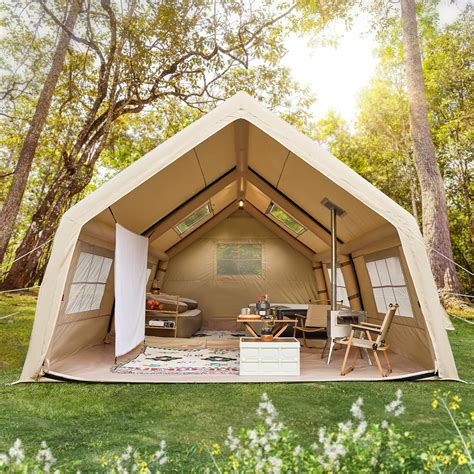
When shopping for a family shelter, understanding structural silhouettes is the first step toward finding a model that suits your lifestyle. Cabin tents remain a favorite for American homeowners who prioritize headroom and segmented living spaces. Their near-vertical walls allow adults to stand fully upright, while internal room dividers create private sleeping quarters or separate areas for storing gear and luggage.
Dome tents, on the other hand, offer exceptional wind resistance and a streamlined setup process that appeals to busy parents. Their intersecting pole structures distribute tension evenly across the canopy, making them ideal for breezy coastal campgrounds or open backyard environments. Tunnel tents bridge these concepts by providing generous interior volume paired with a sturdy, curved profile that handles moderate rain remarkably well.
Selecting between these styles depends heavily on your typical destination and storage constraints. Homeowners with spacious garages can easily accommodate multi-room cabin tents, whereas apartment renters often prefer lightweight dome configurations that pack down neatly into hallway closets without sacrificing sleeping capacity.
Adapting to Unpredictable American Weather and Climate Zones
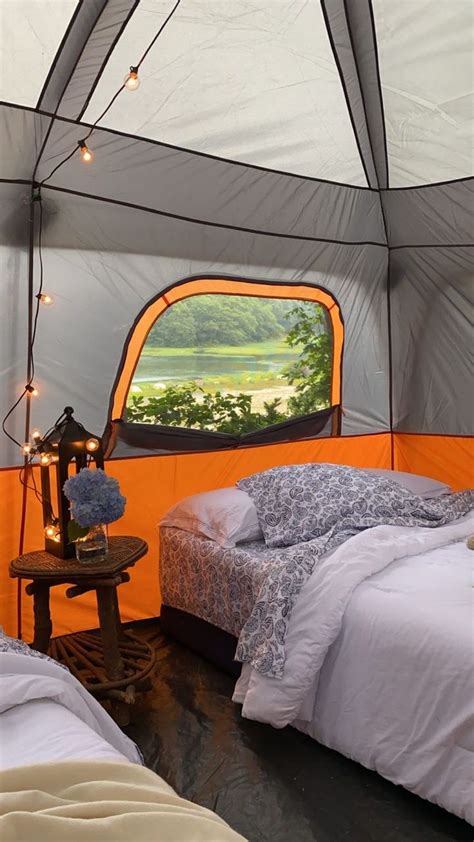
North American climates vary dramatically from humid Southern summers to crisp, unpredictable mountain springs. A truly reliable family tent must feature heavy-duty rainflies, sealed seams, and robust ventilation systems to combat condensation build-up during cooler nights. Look for models with bathtub floors that curve upward, keeping ground moisture safely outside your living area.
Mesh ceiling panels and adjustable ground vents are equally vital for maintaining airflow during hot July afternoons. These architectural details prevent the interior from turning into a greenhouse while keeping mosquitoes and other pests at bay. Investing in a durable footprint or tarp adds an extra layer of defense against damp soil, protecting your investment for seasons of future use.
Streamlining Setup and Storage for Busy Households
Time is a precious commodity for modern families, and wrestling with complex poles can quickly dampen the enthusiasm for an outdoor adventure. Color-coded pole systems, pre-attached frames, and intuitive clip-in designs significantly reduce the time and frustration required to pitch a large multi-person tent.
Storage is another crucial factor, particularly for renters and urban dwellers with limited square footage. Prioritize tents that fold down into oversized, compression-style carry bags rather than rigid containers that demand exact folding techniques. A well-designed bag ensures that packing up after a tiring weekend trip remains straightforward and stress-free.
Curating Interior Comfort and Memorable Atmosphere
A memorable outdoor experience relies just as much on interior styling as it does on structural durability. Transforming a canvas or polyester shelter into a cozy retreat involves layering plush sleeping pads, durable outdoor rugs, and battery-powered lanterns that cast a warm, welcoming glow once the sun sets.
Creating designated zones for sleeping, reading, and storytelling helps keep gear organized and maintains a relaxing ambiance. By treating your tent setup with the same design sensibility you apply to your indoor living spaces, you elevate a simple camping trip into an extraordinary household tradition.
Frequently Asked Questions
What tent design is best for a family of four?
For a family of four, a multi-room cabin tent or a spacious dome tent with a footprint of at least 8×10 feet is typically ideal. Cabin tents offer vertical walls and room dividers, giving everyone space to change and sleep comfortably without feeling cramped.
How do I choose a tent that handles unpredictable US weather?
Look for tents featuring full-coverage rainflies, factory-sealed seams, and waterproof bathtub floors. Adequate guy-out points and sturdy aluminum or reinforced fiberglass poles are essential for stability during sudden wind gusts or heavy downpours.
Can these tents be used easily in a typical American backyard?
Yes, most family tents perform exceptionally well in suburban backyards. They provide an easy way to introduce younger children to camping without straying far from home amenities, while offering a fun setting for weekend stargazing or backyard movie nights.
What features make a family tent truly memorable and comfortable?
Key comfort features include high ceilings that allow standing, good ventilation to prevent condensation, integrated storage pockets for personal items, and electrical port access for running safe, low-voltage interior lighting.


