Selecting a new sofa is one of the most significant furniture investments you will make for your home. In standard American living spaces—ranging from compact urban apartments to sprawling suburban open-concept layouts—the sofa serves as the visual anchor and the primary zone for daily relaxation. Finding the right piece requires balancing personal style aesthetics with spatial geometry, structural durability, and the everyday realities of household traffic. Rushing into a purchase based solely on a showroom glance often leads to scaling mistakes or fabric choices that do not withstand daily wear.
A thoughtful buying decision begins long before you test out cushion softness or browse finish catalogs. You must evaluate how your household actually uses the space, whether you frequently host movie nights, accommodate pets, or need flexible seating for guests. By pairing realistic room measurements with a clear understanding of frame construction and upholstery performance, you can select a sofa that remains comfortable, supportive, and visually balanced for years to come.
Assessing Living Room Layouts and Scale in U.S. Homes
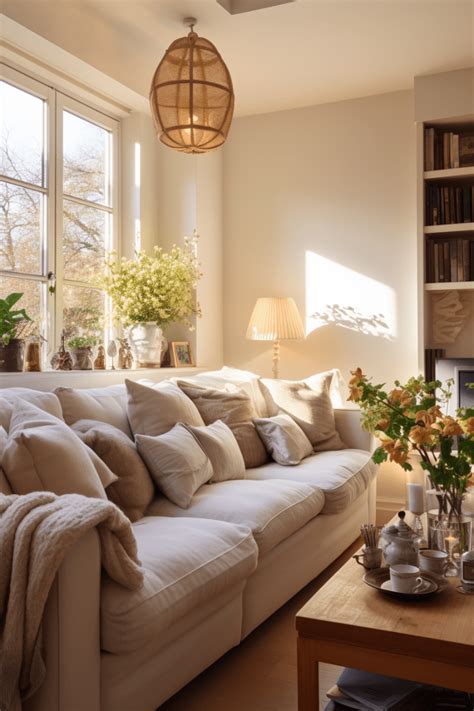
The architectural flow of American homes varies dramatically, from historic multi-room floor plans with defined entryways to modern open-concept great rooms where the kitchen, dining, and living areas merge. Before evaluating individual sofa silhouettes, map out your floor plan carefully. Take precise dimensions of the room, noting the placement of windows, heating vents, electrical outlets, and high-traffic pathways. A common pitfall is choosing a seating arrangement that blocks natural light or restricts smooth movement through the space.
When working with an open-concept layout, floating your sofa away from the walls helps define a cozy conversational zone. In this scenario, ensure the back of the sofa looks polished, as it will be visible from adjacent rooms. Conversely, for compact apartments or narrow living rooms, placing a streamlined, leggy sofa against the longest wall prevents the floor area from feeling overcrowded. Creating visual breathing room around your furniture is essential for making smaller footprints feel airy and comfortable rather than cramped.
Matching Sofa Styles to Your Space and Aesthetic
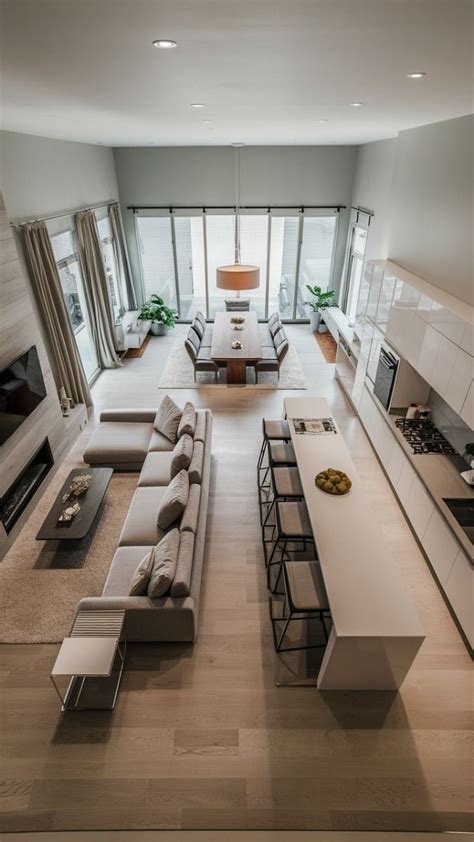
Different sofa styles bring distinct visual weight and ergonomic profiles to a room. Understanding how specific designs interact with your overall interior theme ensures your living room feels intentional rather than pieced together. Traditional silhouettes like the English roll arm or Chesterfield offer timeless character, while clean-lined mid-century modern designs prioritize minimal framing and tapered wooden legs that enhance a sense of spaciousness.
Sectionals Versus Traditional Sofa and Loveseat Combos
Choosing between a sprawling sectional and a classic sofa-and-lovesteat pairing depends entirely on your lounging habits and room geometry. Sectionals maximize seating capacity in large family rooms and corner layouts, making them ideal for households that prioritize sprawling comfort during gatherings. However, they lack layout flexibility; once a sectional is configured for a specific corner, moving it to a new home or redecorating can prove challenging.
A traditional sofa paired with an accent chair or loveseat offers greater versatility over time. If you move frequently between rental properties or enjoy rearranging your living room layout seasonally, individual seating pieces adapt much more easily to shifting architectural constraints. Furthermore, standard sofas allow you to balance the visual weight of the room by introducing contrasting textures through chairs and ottomans rather than locking into a single massive footprint.
Selecting Durable Upholstery for Real-World Living
Upholstery choice dictates both the tactile experience of your sofa and its long-term resilience against daily friction, spills, and pets. Households with young children or active dogs require high-performance fabrics engineered to resist staining and wear without sacrificing softness. Woven synthetic blends, tightly woven canvas-style cottons, and specialized performance treatments offer impressive durability against claw snags and liquid absorption.
Leather remains a perennial favorite for its ability to age gracefully and clean easily with a damp cloth, though it demands careful placement away from direct sunlight to prevent drying out. If you prefer the plush, inviting texture of velvet or delicate linens, look for commercial-grade performance ratings that feature built-in stain-repellent technology. Always request physical fabric swatches and test them under your home’s specific lighting conditions before committing to a full upholstery order.
The Critical Step: Measuring Entryways and Delivery Paths
Even the most meticulously chosen sofa is useless if it cannot physically enter your home. Delivery failure is a surprisingly common frustration for homeowners and renters alike, often caused by overlooked architectural obstacles in stairwells, elevators, narrow hallways, or front entry doors. Before finalizing any furniture purchase, map out the entire transit path from the delivery truck to your living room.
Measure the diagonal depth of your front doorframe, the clearance of any interior hallways, and the turning radius of staircases or elevator interiors. Many modern sofas feature removable legs or low-profile frames designed to ease tight squeezes, but deep-seat models and large sectionals require substantial clearance. If your building presents severe spatial restrictions, prioritize modular designs or knock-down frame constructions that can be brought inside in manageable components.
Frequently Asked Questions
What sofa style works best for small apartments versus large open-concept living rooms?
For small apartments, mid-century modern or contemporary sofas with exposed legs and slim arms work best because they allow light to pass underneath, making the room feel larger. In large open-concept living rooms, substantial sectionals or deep-seated traditional sofas help anchor the space and create a distinct conversational boundary without looking lost.
How do I choose between a sectional and a traditional sofa and loveseat combo?
Choose a sectional if you have a permanent room layout, love lounging, and need to maximize seating capacity for a large family. Opt for a sofa and loveseat combination if you rent, move frequently, or prefer the flexibility to rearrange your furniture layout as your living space evolves.
Which fabrics are most durable for everyday use in a family home?
High-performance synthetic blends, microfiber, tightly woven canvas, and treated leather are the most durable options for high-traffic family homes. These materials resist stains, withstand frequent cleaning, and hold up well against pet claws and everyday friction.
How can I ensure my new sofa will fit through my apartment doorway?
Always measure the height and diagonal width of your entry door, interior hallways, and elevator or stairwell turns before ordering. Look for sofas with removable legs, low profiles, or modular designs if you live in a building with tight architectural constraints.


