When living space feels stretched to its limit, many Americans look beyond traditional walls to expand their functional footprint. Whether you are hosting out-of-town family for a holiday weekend, creating a backyard play zone for children, or establishing a temporary guest suite during home renovations, a spacious 3-bedroom tent offers a remarkably flexible solution. Far removed from the cramped, single-room nylon shelters of the past, modern multi-room tents provide expansive floor plans, tall ceiling heights, and zippered privacy dividers that mimic the layout of a traditional home.
For both homeowners with expansive yards and urban renters utilizing shared or compact outdoor areas, these large shelters bridge the gap between recreational camping and interior design. Choosing the right structure requires balancing physical dimensions with aesthetic goals, ensuring that your temporary outdoor room feels just as curated and comfortable as your permanent indoor living spaces.
Understanding the Anatomy of a 3-Bedroom Tent
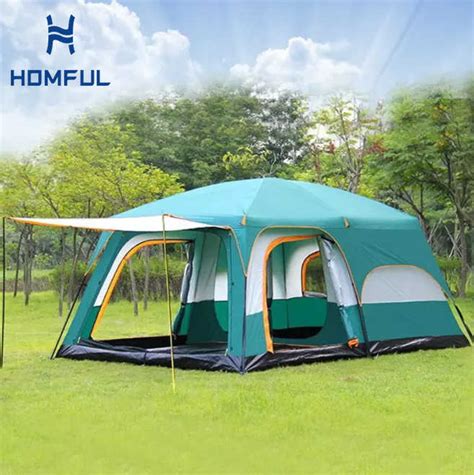
A true 3-bedroom tent typically features a central communal living area flanked by two distinct sleeping compartments, or a linear configuration of three separate rooms created by hanging privacy curtains. These footprints frequently measure upwards of 150 to 200 square feet, often boasting center heights of six to seven feet so adults can stand fully upright without ducking. This generous vertical clearance fundamentally changes the interior dynamic, allowing standard camp furniture, folding cots, and decorative accents to fit comfortably without making the space feel claustrophobic.
Cabin-style architectures are particularly popular for multi-room setups because their nearly vertical walls maximize usable interior square footage. Unlike traditional sloped dome tents that cut off corner space, straight-walled cabin tents let you push storage bins, air mattresses, and side tables flush against the perimeter. When evaluating layouts, pay close attention to how the internal dividers function; some models use permanent sewn-in fabric walls for sound dampening and complete privacy, while others rely on toggle-and-loop curtains that can be rolled back to create one massive, open-air pavilion.
Balancing Needs: Homeowners Versus Renters
Property ownership changes how you select and install a large outdoor shelter. Homeowners generally enjoy the luxury of permanent backyard real estate, allowing them to leave a sturdy multi-room tent pitched for weeks during favorable summer or autumn months. However, homeowners must consider lawn maintenance and turf health, as keeping a massive tent footprint on grass for too long can yellow the lawn. Utilizing breathable outdoor rugs underneath high-traffic zones helps protect the underlying turf while creating a polished, finished look.
Renters face an entirely different set of operational parameters, primarily centered around storage constraints, transport logistics, and property rules. Because large 3-bedroom tents pack down into substantial duffel bags weighing between thirty and fifty pounds, apartment dwellers must account for closet or garage storage footprint. Furthermore, renters using communal courtyards or shared townhome lawns must verify property association guidelines regarding temporary structures. Opting for freestanding models that require fewer ground stakes makes setup simpler and ensures you can dismantle the structure quickly without leaving permanent marks on shared landscapes.
Styling Your Multi-Room Tent Like an Interior Space

Transforming a heavy-duty fabric shelter into an inviting guest suite or backyard lounge relies entirely on treating the interior with the same design principles you apply indoors. Begin from the ground up by layering outdoor-rated area rugs or foam interlocking tiles over the tent floor to insulate against cool earth and create a soft, barefoot-friendly surface. Avoid placing bare air mattresses directly on the tent floor; instead, elevate sleep surfaces on cots dressed with crisp cotton sheets, textured quilts, and oversized throw pillows.
Lighting transforms the atmosphere after sunset, moving the tent away from a utilitarian campsite feel into an ambient retreat. Battery-operated Edison bulbs, dimmable string lights woven along the ceiling poles, and tabletop lanterns cast a warm glow that highlights the structural geometry of the tent. Introduce natural textures such as woven rattan storage baskets for shoes, folding wooden side tables, and house plants in lightweight ceramic pots to seamlessly blend the boundary between nature and interior styling.
Weather Resistance, Safety, and Structural Integrity
Investing in a spacious multi-room shelter means evaluating how it will handle unpredictable U.S. weather patterns, from sudden afternoon thunderstorms in the Midwest to coastal breezes along the East and West coasts. Look for models featuring heavy-duty polyester or oxford fabric rainflies with waterproof polyurethane coatings and factory-taped seams to prevent moisture seepage during heavy downpours. Sturdy steel or robust fiberglass pole systems provide the structural backbone necessary to withstand gusty winds, provided the tent is properly anchored.
Securing a large tent safely in a residential backyard requires mindfulness about ground conditions. Standard wire stakes that accompany tents often bend in hard clay or rocky soil, so upgrading to heavy-duty forged steel rebar stakes or spiral tie-downs ensures superior holding power. If you are setting up on a paved patio or a deck where staking is impossible, utilize heavy water-filled or sand-filled canopy weight bags attached to the frame corners to stabilize the structure securely without drilling into property surfaces.
Frequently Asked Questions
How difficult is it for one person to set up a 3-bedroom tent?
Due to their large footprint and complex pole structures, most 3-bedroom tents are designed as two-person assembly projects. While experienced campers can pitch certain freestanding cabin models solo, having an extra set of hands makes guiding the poles through sleeves and raising the roof much safer and faster.
Can a 3-bedroom tent withstand winter weather or snow loads?
Most standard multi-room tents are three-season shelters engineered for spring, summer, and fall use. They are generally not built to handle accumulating snow loads or sub-freezing winter storms, which can bend aluminum or fiberglass poles and damage fabric membranes.
How do I clean and store a large multi-room tent after use?
Never pack a tent away while it is damp, as mildew can permanently ruin the fabric and waterproof coatings. Pitch the tent on a dry day, wipe down the walls with mild soap and water, let every component dry completely in the sun, and store it in a cool, dry place away from direct sunlight and pests.


