Selecting a family tent requires careful balancing of capacity, weather durability, and the practical realities of storage. Whether you live in a suburban home with a spacious garage or an urban apartment with limited closet space, choosing the right shelter transforms weekend getaways into seamless, comfortable adventures. Modern outdoor gear emphasizes user-friendly designs, resilient fabrics, and smart ventilation systems that keep groups comfortable across diverse American landscapes, from humid southern state parks to brisk mountain elevations.
When evaluating options, shoppers must look beyond glossy marketing photos and focus on real-world usability. Factors such as peak height, floor dimensions, pole construction, and rainfly coverage dictate how a tent performs during sudden downpours or high winds. By understanding how different tent categories align with your household lifestyle, you can invest in a reliable shelter that serves your family for years of outdoor exploration.
Evaluating Key Tent Features for Durability and Comfort
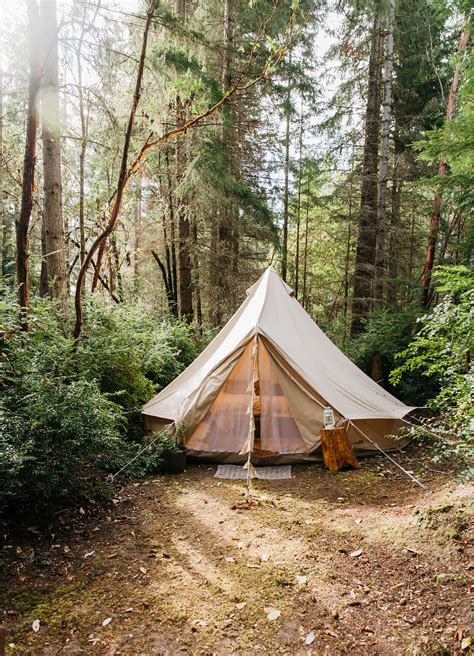
Modern outdoor shelters feature advanced engineering designed to simplify setup while enhancing structural integrity. Traditional fiberglass poles are increasingly giving way to lightweight, high-grade aluminum or pre-attached steel frames that withstand strong winds without snapping. Additionally, heavy-duty polyurethane coatings on tent floors and rainflies prevent ground moisture from seeping through, keeping sleeping areas dry even during prolonged storms.
Ventilation is another critical component that directly influences your camping experience. Tents equipped with large mesh panels, ground-level intake vents, and adjustable rainfly awnings promote healthy airflow, significantly reducing condensation buildup on chilly mornings. When browsing options, look for shelters featuring taped seams and robust zipper tracks, as these high-stress areas typically determine the overall lifespan of the product.
Balancing Interior Space and Family-Friendly Layouts
Manufacturer capacity ratings often describe the maximum number of sleeping pads that can fit side-by-side, leaving little room for personal gear, cots, or moving around. For a truly comfortable experience, families should generally size up by adding one or two spots to their total headcount. A six-person tent, for example, provides ample breathing room for a family of four, allowing space for duffel bags, sleeping cots, and a small organizational corner.
Multi-room layouts and divider curtains offer a welcome sense of privacy, especially for families with older children or those embarking on extended camping trips. Built-in storage pockets, gear lofts, and electrical cord ports further elevate interior comfort by keeping flashlights, phones, and personal items off the floor and easy to find in the dark.
Storage and Portability: Solutions for Homeowners Versus Renters
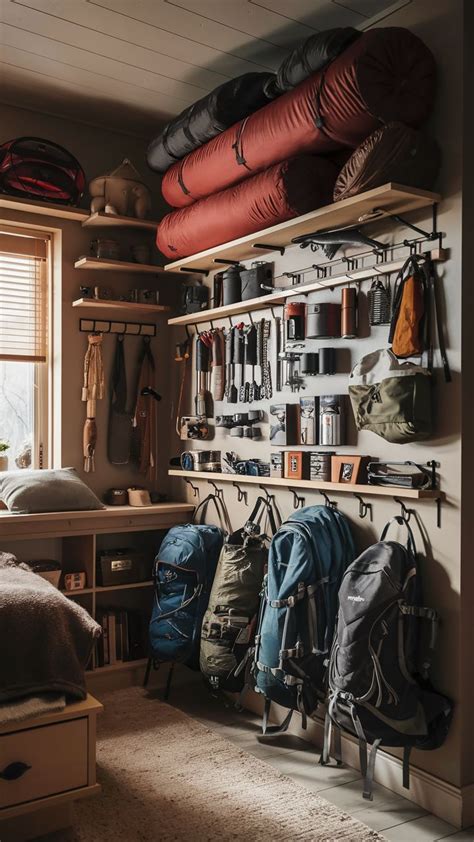
Storage constraints play a vital role in determining which tent model best suits your living situation. Homeowners with dedicated garages, basements, or backyard sheds can comfortably accommodate oversized canvas or multi-room cabin tents that feature bulky steel poles and heavy canvas bags. These robust structures offer exceptional longevity and weather resistance but require substantial space when packed down during the off-season.
Conversely, renters living in apartments or townhomes must prioritize compact packed sizes and lightweight materials. Dome tents and streamlined hybrid designs pack down into manageable duffels that easily slide into a hallway closet or under a bed. Choosing a lighter, more portable shelter ensures you can transport your gear easily in a standard sedan trunk without sacrificing precious living space at home.
Frequently Asked Questions
How do I choose the right tent size for my family?
As a general rule of thumb, subtract one or two people from the manufacturer’s stated capacity if you plan to use cots, queen air mattresses, or store large amounts of luggage inside the tent. This ensures everyone has adequate personal space and comfort.
Are cabin tents better than dome tents for families?
Cabin tents offer nearly vertical walls and high ceilings, allowing adults to stand up comfortably and maximizing interior living space. Dome tents, however, offer superior wind resistance due to their aerodynamic curved profiles and cross-pole structures, making them better suited for exposed, windy campsites.
How should I store my family tent during the off-season?
Always ensure your tent is completely dry and clean before packing it away to prevent mildew and fabric degradation. Store the tent loosely in a breathable cotton or mesh storage sack rather than its tight compression bag, and keep it in a temperature-controlled area away from direct sunlight.


