Few furniture pieces offer the unique blend of architectural elegance and everyday utility quite like a well-chosen console table. Whether you reside in a compact coastal apartment or a sprawling suburban split-level home, this versatile accent piece anchors awkward walls, defines open-concept boundaries, and provides a polished surface for curated displays. Beyond mere aesthetics, a carefully selected console solves real spatial challenges, such as housing a pair of reading lamps where end tables won’t fit or serving as a drop zone for daily essentials near an entryway. Finding the ideal model requires balancing scale, silhouette, and material choices to complement your existing architecture.
Integrating this furniture item into your main living space requires more than simply pushing a piece of wood against an empty wall. Homeowners and renters alike must consider traffic flow, ceiling heights, and the visual weight of surrounding upholstery. When approached with intentional planning, a living room console table elevates the room’s entire design narrative, turning neglected transitional zones into sophisticated focal points that feel both collected and purposeful.
Strategic Placement: Where a Console Table Works Best
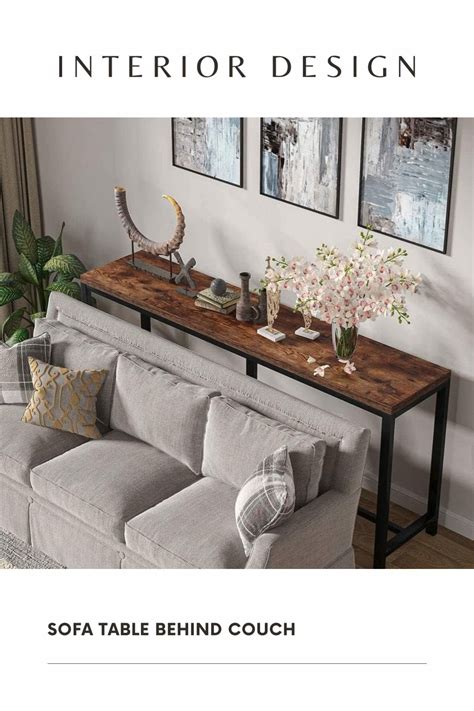
Positioning your console table effectively depends entirely on your room’s floor plan and traffic patterns. In many traditional American suburban living rooms, placing a long, slender console directly against the back of a floating sofa is a classic design maneuver. This creates a subtle visual barrier in open-concept layouts, separating the seating area from an adjoining dining space or foyer while offering a convenient spot to rest a beverage or an ambient table lamp.
Alternatively, if your living room features a blank focal wall that lacks architectural interest, centering a console underneath a large piece of art or a flat-screen television instantly grounds the space. In smaller urban apartments where every square foot counts, a shallow console can act as a slim media console or a makeshift desk, proving that footprint size should never limit functional utility.
Sizing and Proportion Guidelines for American Living Spaces
Proportion is the single most critical factor when selecting a console table, yet it is frequently overlooked. A common rule of thumb for placing a console behind a sofa is to ensure the table is roughly one to two inches lower than the top of the sofa’s back cushions, or at least flush with them. This prevents awkward lines and ensures that lamps or decorative objects placed on the surface do not become visual hazards when seated.
Depth is equally crucial, particularly in narrow American living rooms or bustling family homes. Look for pieces measuring between ten and fifteen inches in depth if your walkway is tight, allowing comfortable clearance for foot traffic. Conversely, if you have a grand living room with vaulted ceilings, a deeper, more substantial console with robust legs will hold its own against heavy leather sectionals and oversized armchairs.
Materiality Matters: Choosing the Right Finish for Your Lifestyle
The materials you select dictate both the visual weight and the long-term durability of your console table. Solid hardwoods like oak, walnut, and maple bring organic warmth and timeless appeal to traditional and transitional spaces, easily withstanding daily wear and tear in active households with children and pets.
For modern or minimalist interiors, mixed-media designs incorporating blackened steel, brushed brass, or tempered glass create an airy, light-reflecting silhouette. Glass and acrylic tops are particularly effective in smaller rooms because they maintain visual transparency, keeping the floor area beneath the table feeling open and uncluttered. Marble and travertine surfaces add a layer of organic luxury and texture, though they require mindful maintenance to prevent staining from acidic liquids.
A Step-by-Step Framework for Styling Your Console Table

Styling a console table without letting it descend into visual clutter is an art form rooted in balance and asymmetry. Begin your arrangement by establishing a vertical anchor on one side or in the center, such as an oversized framed artwork leaning against the wall or a striking table lamp that introduces necessary height. Next, incorporate elements of varying heights and textures, pairing smooth ceramics with natural woven baskets or carved wooden bowls.
Apply the rule of thirds by grouping decorative objects in odd numbers—trios of books topped with a sculptural brass object or a simple ceramic vase filled with seasonal branches often yield the most pleasing composition. Leave some negative space intentionally bare so the table feels breathable rather than overcrowded, allowing each individual piece to catch the eye.
Frequently Asked Questions
Where should I place a console table in my living room?
A console table works best behind a floating sofa to anchor open-concept layouts, against an empty accent wall beneath statement art, or along a transitional hallway passage that connects to the main living area.
How do I style a console table so it doesn’t look cluttered?
Focus on the rule of thirds by grouping items in odd numbers, incorporate varying heights using lamps or leaning art, and leave plenty of negative space so the surface remains breathable.
What height should a console table be relative to a sofa?
When placed behind a sofa, the console table should ideally be flush with or one to two inches lower than the top of the sofa’s back cushions for a balanced visual transition.
What are the best materials for durability and style?
Solid hardwoods offer timeless durability for active family homes, while metal and glass combinations provide a lighter visual footprint for smaller or modern apartments.


