Planning a family camping trip brings an exciting mix of anticipation and logistical planning, especially when it comes to sleeping arrangements. For parents traveling with young children, teenagers, or multiple generations, sharing a single, open-plan dome tent can quickly lead to restless nights and cramped quarters. This is where dual-bedroom tents step in as a game-changing solution for outdoor enthusiasts. By dividing the interior footprint into separate sleeping cabins connected by a central vestibule or common area, these shelters successfully bridge the gap between individual privacy and shared campsite camaraderie.
When evaluating multi-room shelters, homeowners and renters transitioning to outdoor recreation often wonder if the added complexity of a divided layout is truly worth the investment. Traditional tents may be simpler to pitch, but they rarely accommodate different sleep schedules. If toddlers need to go to sleep hours before adults want to sit up chatting or reading by lantern light, a partitioned tent prevents light and sound disturbances. Furthermore, older children appreciate having their own designated space, which helps maintain household routines even while immersed in nature.
The Core Benefits of Two-Room Tents for Modern Families
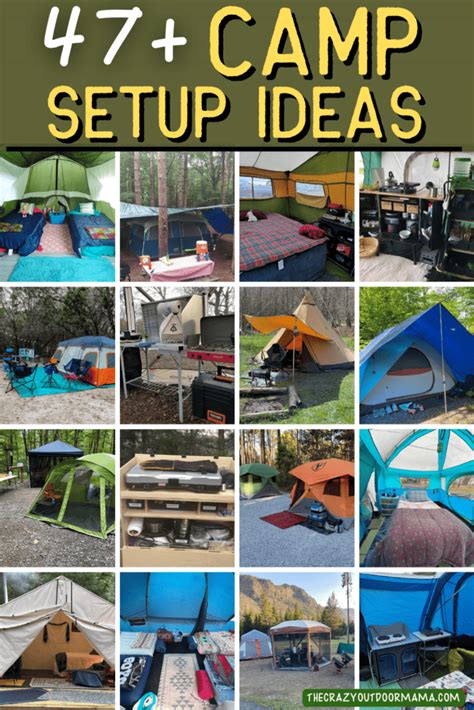
The primary advantage of choosing dual-bedroom tents for family camping lies in the clever management of interior space. Unlike standard cabin tents that leave everyone sleeping in one giant communal room, divided layouts create distinct zones for sleeping, changing, and gear storage. This division significantly reduces morning chaos, as family members can access their sleeping bags or unpack duffels without crawling over one another. Additionally, many designs feature a central communal area where muddy boots, cooler bags, and camp chairs can be stored safely out of the elements.
Another major benefit involves psychological comfort and personal space during extended stays. When camping for three or more days, closeness can sometimes amplify minor frustrations, making personal boundaries invaluable. Having separate rooms allows family members to retreat for a quick afternoon nap, read quietly, or change clothes in complete privacy. This layout mimics the functional room separation of a traditional home, helping campers feel more secure and settled in unfamiliar outdoor environments.
Evaluating Key Features: Weather Resistance, Ventilation, and Setup
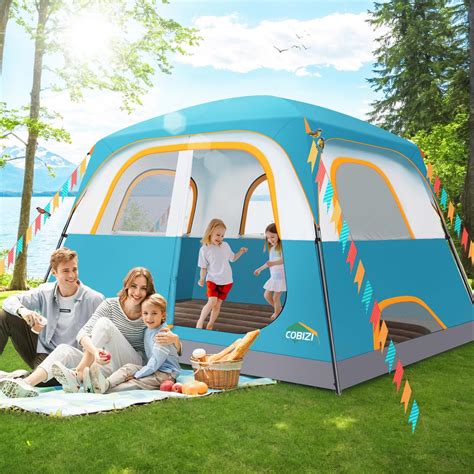
Choosing the right multi-room tent requires looking closely at technical specifications beyond just square footage. Weather resistance is paramount, particularly for families camping across varied U.S. climates where sudden summer thunderstorms or high winds can test a shelter’s limits. Look for models featuring robust waterproof rainflies with taped seams, sturdy fiberglass or aluminum poles, and a bathtub-style floor that prevents groundwater from seeping inward during heavy downpours.
Ventilation is another critical factor that directly influences comfort and air quality inside a large tent. Because dual-bedroom tents contain multiple enclosed spaces, they are naturally prone to condensation buildup if adequate airflow is neglected. Prioritize tents equipped with mesh ceiling panels, adjustable ground vents, and zippered windows on both the exterior walls and interior partition dividers. Proper cross-ventilation ensures fresh air circulates continuously, keeping the interior cool on warm afternoons and dry on chilly mornings.
Understanding Size, Capacity, and Layout Configurations
Manufacturer capacity ratings can occasionally be misleading for families who prefer actual living space over tightly packed sleeping bodies. A tent rated for six people typically fits six sleeping pads side-by-side with virtually zero floor space remaining for luggage or movement. For a comfortable family camping experience, experts generally recommend sizing up by at least two people. For example, a family of four will find much greater comfort in a six- or eight-person dual-bedroom tent, leaving ample room for queen-sized air mattresses, pack-and-plays, and backpacks.
Layout configurations also vary significantly depending on the manufacturer’s design philosophy. Tunnel-style tents often feature two sleeping pods positioned at opposite ends of a central living room, offering maximum privacy between rooms. Cabin-style tents with straight vertical walls maximize headroom, allowing adults to stand up fully while organizing gear or dressing children. Consider your family’s specific packing habits and mobility needs when selecting a layout configuration to ensure your chosen shelter supports a seamless outdoor experience.
Practical Tips for Interior Organization and Storage
Maximizing the utility of a multi-room tent requires thoughtful interior organization strategies. Because these shelters span a larger footprint, clutter can accumulate quickly if every family member dumps their gear in the central common area. Assigning specific sleeping cabins for personal items and utilizing hanging gear organizers, pocket walls, and collapsible bins keeps the floor pathways clear and tripping hazards to a minimum.
Establishing clear zones for muddy footwear right at the entrance of the central vestibule will also preserve the cleanliness of your sleeping quarters. Placing outdoor doormats or tarps just outside the tent doors helps catch dirt before it enters the living space. By treating your tent interior with the same organizational mindfulness you apply to your permanent home, you can maintain a relaxing, stress-free campsite throughout your entire outdoor getaway.
Frequently Asked Questions
What are the best dual-bedroom tents available for family camping?
The best dual-bedroom tents depend on your family size and camping style, but top contenders typically feature robust waterproof ratings, sturdy cabin or tunnel frameworks, and flexible room dividers. Look for reputable outdoor brands known for reliable weatherproofing and durable poles.
How do two-room tents improve privacy and comfort?
Two-room tents use interior fabric dividers or completely separate sleeping cabins to partition the tent footprint. This allows family members with different sleep schedules—such as sleeping children and night-owl adults—to coexist comfortably without disturbing one another.
Are dual-bedroom tents difficult to set up?
While multi-room tents involve more components and a larger footprint than basic backpacking tents, modern designs utilize color-coded pole systems and clear clip attachments that make pitching straightforward. Practicing setup in your backyard before your first trip is always recommended.
What size tent do I need for a family of four or more?
For a family of four, an eight-person dual-bedroom tent provides optimal comfort. Manufacturer capacity numbers generally assume sleeping bags laid tightly together, so sizing up ensures you have enough room for cots, air mattresses, and personal gear.


