Finding furniture that bridges the gap between deep, ergonomic relaxation and sophisticated interior aesthetics can feel like a design puzzle. For decades, traditional reclining furniture earned a reputation for being overly bulky, dominated by puffy cushions and heavy silhouettes that easily overwhelm a well-curated room. However, contemporary furniture manufacturing has shifted dramatically, introducing streamlined power recline living room sets that prioritize sleek lines without sacrificing tactile luxury.
Whether you are settling into a suburban single-family house or optimizing a high-rise rental apartment in a bustling American city, choosing the right reclining set requires balancing spatial footprints, lifestyle demands, and aesthetic continuity. Modern engineering now hides motors and metal frames inside tailored profiles, making it entirely possible to enjoy customized comfort while maintaining a chic, intentional living space.
Refining the Aesthetic: How Modern Power Recliners Shed Their Bulky Reputation
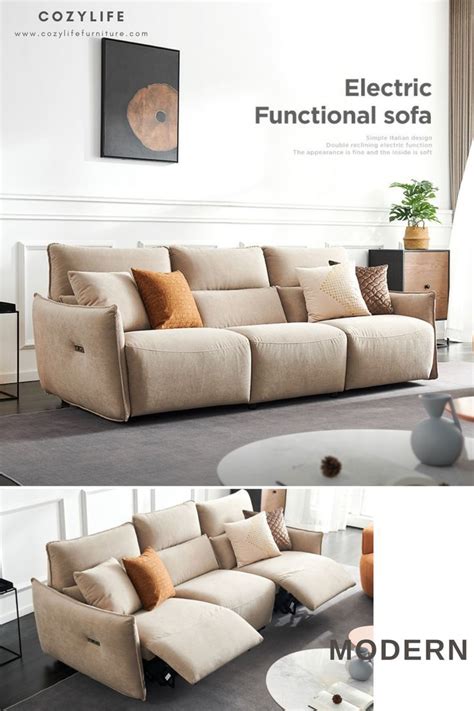
The biggest hesitation interior-conscious buyers face when shopping for power recliners is the visual weight these pieces traditionally carried. Older models often featured thick pillow-top arms and exaggerated backs that swallowed up surrounding light and made smaller rooms look cramped. Today, designers are prioritizing clean architectural silhouettes, tapered wooden or metal legs, and tailored channeling that mimics high-end stationary sofas while housing sophisticated internal mechanisms.
When evaluating a living room set, look for options featuring thin-profile arms and low-profile footrests that fold seamlessly into the base. These subtle structural changes prevent the furniture from dominating your floor plan visually. Neutral upholstered tones like warm charcoal, soft oatmeal, or rich cognac leather further reduce the visual mass of the set, allowing the seating to anchor the room gracefully rather than acting as an overwhelming focal point.
Balancing Comfort Technology with Clean Design Lines
Power reclining technology has evolved far beyond simple two-position levers, introducing independent headrest adjustments, power lumbar support, and memory presets. While these features add incredible physical relief after a long workday, they can sometimes add bulk to the upper back of the sofa. To maintain a streamlined look, seek out hidden-seam designs where the motorized headrest hinges are entirely internalized, keeping the back profile smooth and uniform when fully upright.
Another design consideration is the integration of control buttons. Many manufacturers now embed sleek, touch-sensitive metal buttons flush into the interior side cushions or armrests, avoiding clunky plastic remotes that dangle from cords or disrupt the clean aesthetic of the furniture. This attention to tactile detail ensures that high-tech luxury feels integrated and intentional rather than industrial or distracting.
Spatial Planning and Layout Strategies for U.S. Homes and Rentals
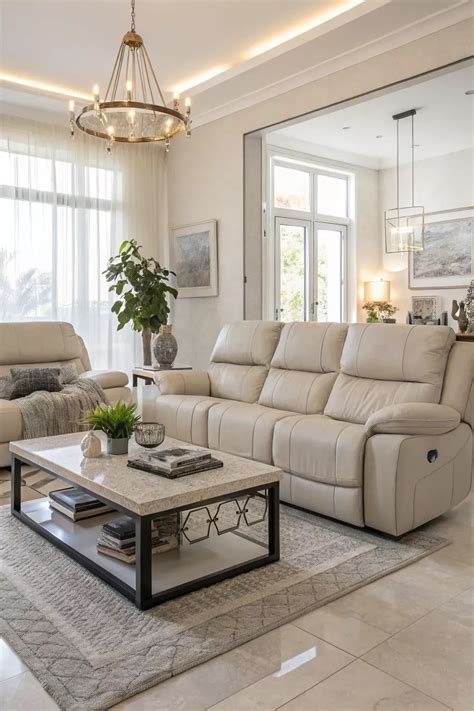
Incorporating a power recline living room set into your floor plan demands careful measurement of both square footage and electrical access. Unlike stationary sofas that can float freely anywhere in a room, power recliners typically require a nearby wall outlet and specific clearance margins to articulate fully. Wall-hugger mechanisms are particularly valuable in American apartments and smaller suburban living rooms because they slide forward as they recline, needing only a few inches of space between the back of the sofa and the wall.
For renters, spatial planning must also account for future moves. A massive, single-piece reclining sectional might fit your current living room beautifully, but maneuvering it down narrow apartment corridors, tight stairwells, or into a moving truck can become an extreme logistical challenge. Modular reclining sets, which break down into individual chairs and corner wedges, offer the ideal compromise by providing customizable configurations that adapt effortlessly to different floor plans over time.
Addressing Electrical Needs and Cord Management
Because power reclining sets rely on continuous electricity to operate motors, USB ports, and LED accent lighting, layout planning must incorporate cord management from the outset. In an open-concept American home where sofas often float in the center of the room, running visible extension cords across walking paths creates an immediate safety hazard and ruins the visual flow of the space.
To solve this, position your main seating group near existing floor outlets whenever possible, or invest in rechargeable lithium-ion battery packs specifically designed for power furniture. These battery packs eliminate cords entirely for weeks at a time on a single charge, granting you total freedom to place your reclining set away from walls without unsightly wires disrupting your carefully styled rug and flooring.
Material and Upholstery Selection for Durability and Daily Life
Selecting the right fabric or leather for your power recline living room set depends heavily on your household dynamics, including whether you share your space with children, pets, or frequent guests. Performance fabrics treated to resist moisture and stains have become the gold standard for high-traffic family rooms, offering a soft, woven texture that breathes well while repelling everyday spills and dust.
Top-grain and semi-aniline leathers represent another premium choice, developing a rich, supple patina over years of use. However, natural leather requires periodic conditioning and can feel temperature-sensitive in regions with extreme seasonal shifts. For rental properties where furniture undergoes frequent use and potential relocation scuffs, heavy-duty microfiber or tightly woven chenille blends often provide the best longevity-to-cost ratio, resisting claw snags and surface wear admirably.
Frequently Asked Questions
What makes a power recline living room set stylish rather than bulky?
Modern power recliners achieve a sleek look through tailored architectural lines, thin-profile arms, tapered legs, and internal mechanisms that eliminate the puffy, oversized appearance of older furniture styles.
How do power recliners hold up in rental spaces where frequent moving is required?
While heavy one-piece sectionals can be challenging to move, modular power reclining sets break down into manageable individual components, making them much easier to transport and reconfigure in new rental layouts.
What wall clearance is needed for power reclining furniture?
Standard recliners require significant space behind them to tilt back, whereas wall-hugger power recliners glide forward as they recline, typically needing only 3 to 6 inches of clearance from the wall.
Are battery packs a reliable alternative to wall outlets for power recliners?
Yes, rechargeable lithium-ion battery packs are widely available and allow you to operate power furniture without plugging them directly into wall outlets, eliminating messy cords in open-concept layouts.


