When shopping for a new living room arrangement, many homeowners face a classic design dilemma: how to achieve the luxurious, sink-in comfort of a reclining sofa set without sacrificing contemporary interior aesthetics. Historically, reclining furniture carried a reputation for being overly bulky, deeply utilitarian, and difficult to integrate into a curated design scheme. However, modern manufacturing and thoughtful industrial design have revolutionized these pieces, offering sleek silhouettes that conceal robust mechanical frameworks.
Choosing the right setup for an American living room requires careful evaluation of your room dimensions, daily lifestyle patterns, and aesthetic preferences. Whether you are outfitting a sprawling suburban open-concept space or managing the spatial limits of an urban apartment, understanding the nuances of mechanisms, upholstery materials, and layout configurations ensures your investment provides lasting satisfaction and everyday comfort.
Evaluating Your Living Room Space and Layout
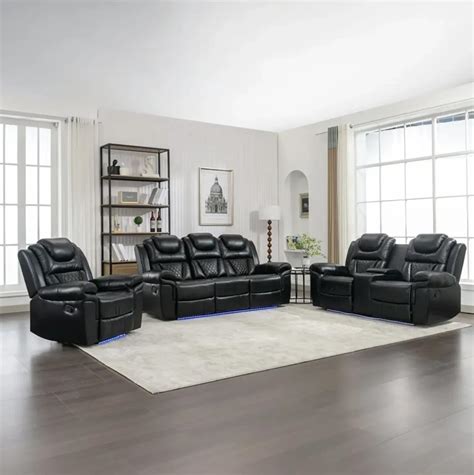
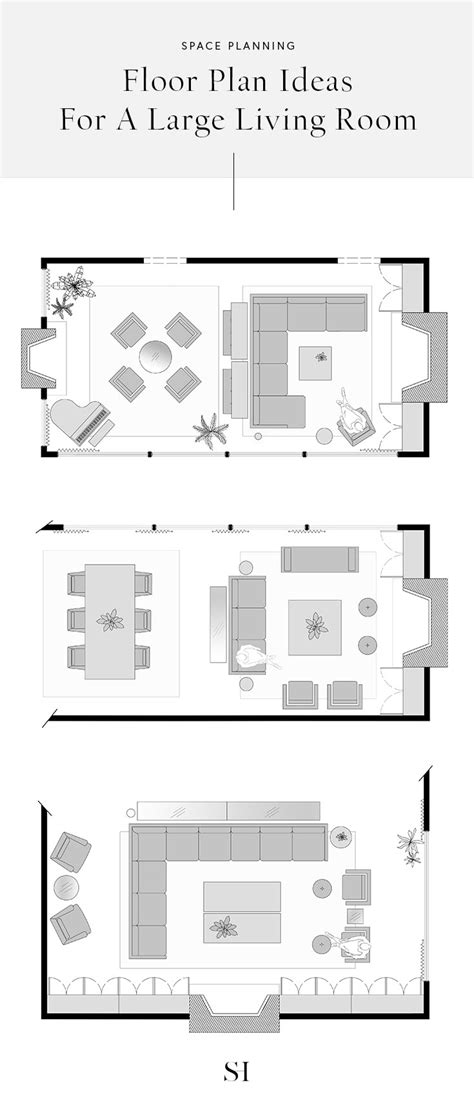
Before browsing furniture catalogs or visiting showrooms, you must take precise measurements of your living room floor plan and carefully evaluate traffic flows. Reclining furniture requires considerably more dynamic space than stationary sofas because their dimensions shift dramatically from an upright position to a fully laid-back posture. Map out your room using painter’s tape on the floor to visualize the maximum footprint of the sofa when it is fully extended, ensuring that main walkways and entry points remain completely unobstructed.
Another critical spatial consideration is the clearance required between the back of the sofa and the living room wall. Standard recliners need significant breathing room—often between four to twelve inches—to tilt backward safely without scraping drywall or damaging the upholstery. If your furniture must float in the middle of an open-concept room, wall clearance is less of an issue, but you must inspect the exposed back of the sofa to ensure it features finished upholstery rather than plain black dust cover fabric.
Understanding Mechanism Types: Manual, Power, and Wall-Huggers
The internal mechanics of a reclining sofa set dictate both your daily user experience and the overall longevity of the furniture piece. Traditional manual recliners rely on a pull handle or a body-pressure latch system, offering a reliable, cost-effective mechanism with fewer electrical components that could potentially fail over time. They operate independently of wall outlets, giving you complete freedom in where you position the sofa within your room layout without worrying about unsightly extension cords running across high-traffic floor areas.
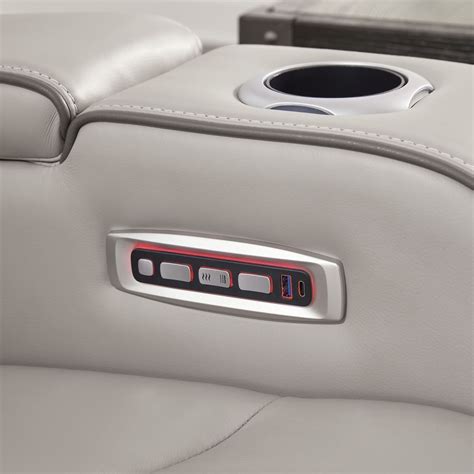
Power reclining sofas, on the other hand, utilize quiet electric motors controlled by discreet side buttons or touchpads embedded in the armrests. These motorized systems allow for infinite stopping positions rather than fixed notches, making it exceptionally easy to dial in precise ergonomic support for reading, relaxing, or watching television. For tighter spaces, wall-hugger mechanisms slide forward on a curved track as they recline, requiring mere inches of rear clearance. This engineering marvel allows you to place a luxurious reclining set directly against a living room wall, maximizing usable floor space in smaller American homes.
Selecting Durable Upholstery Tailored to Your Lifestyle
Your choice of upholstery defines both the visual texture of your living room and how well the sofa withstands the rigors of daily household traffic. Genuine top-grain leather offers timeless sophistication, developing a rich, supple patina over the years while remaining relatively easy to wipe clean from accidental spills. However, leather requires periodic conditioning to prevent cracking, especially in drier U.S. regional climates or homes with intense direct sunlight streaming through large picture windows.
For households with active children, energetic pets, or frequent guests, heavy-duty performance fabrics and tightly woven microfibers present a highly practical alternative. Modern performance textiles are engineered at the molecular level to repel liquid stains, resist pet claws, and withstand heavy abrasion without sacrificing a soft, inviting hand-feel. When reviewing fabric specifications online or inspecting swatch samples in person, look for high double-rub ratings—ideally exceeding 30,000 rubs—to guarantee exceptional durability for high-use family rooms and entertainment spaces.
Styling Strategies to Keep a Reclining Sofa Set Looking Sleek
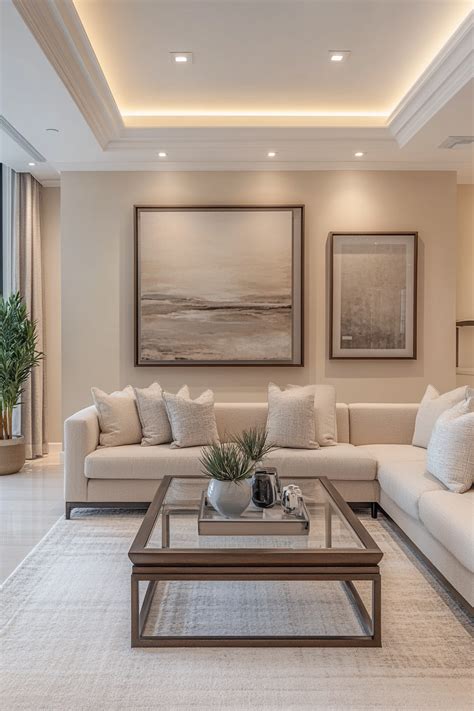
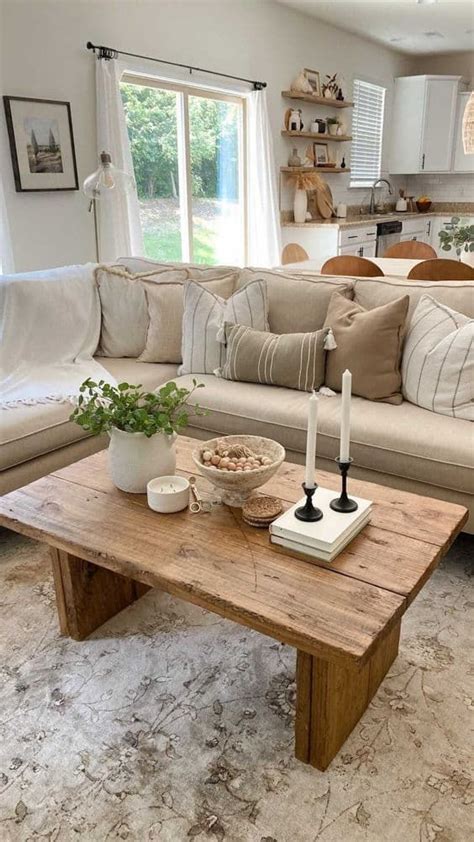
Integrating a substantial reclining sofa into a stylish living room requires deliberate interior styling choices that counteract its inherent visual weight. Avoid pushing all your seating elements directly against the perimeter walls; instead, float the reclining set slightly inward and anchor it with a large, textured area rug that ties the conversation zone together. Pair the substantial frame with visually lighter accent pieces, such as slender metal-legged coffee tables, open-shelf bookcases, and glass-top side tables that allow light to pass underneath.
Accessorizing with intention helps soften the structured, boxy lines typical of many reclining designs. Layer the seating area with lightweight throw blankets draped casually over one corner and a curated mix of patterned accent pillows that echo the color palette of your wall art or window treatments. By drawing the eye toward complementary decor elements and maintaining a balanced visual hierarchy, your reclining sofa set will function as an inviting sanctuary of comfort while remaining an undeniably chic centerpiece of your home.
Frequently Asked Questions
How much space do I need behind a reclining sofa?
The required space depends entirely on the specific mechanism design. Standard reclining sofas typically require four to twelve inches of clearance from the wall to recline fully. However, if you purchase a wall-hugger model, the base slides forward as you recline, allowing the sofa to sit just two to three inches away from the wall.
Are power reclining sofas worth the extra cost?
Power reclining sofas are generally considered worth the investment if you value smooth, effortless operation and precise ergonomic adjustability. Unlike manual pull-handle models, power sofas offer infinite resting angles, built-in USB charging ports, and quiet motors, though they do require proximity to an electrical outlet.
What fabrics hold up best to kids, pets, and daily use?
Performance fabrics, such as tightly woven synthetic blends treated with stain-resistant finishes, offer the best resilience against kids and pets. They resist claw snags, clean easily with mild soap and water, and maintain their color integrity much better than delicate natural fibers like untreated cotton or linen.
How can I make a bulky reclining sofa set look stylish in a small living room?
To prevent a reclining sofa from overwhelming a compact space, choose a lighter upholstery color to reflect natural light, select low-profile arm styles if available, and pair the sofa with leggy, minimalist accent furniture. Floating the furniture away from the walls and adding soft textiles like pillows and throws also helps soften its visual mass.


