Investing in a leather sofa is one of the most rewarding upgrades you can make to a U.S. living room, offering a blend of rugged durability, timeless elegance, and effortless maintenance. However, navigating the market can feel overwhelming when balancing leather grades, frame construction, and the choice between clicking ‘buy’ online or visiting a traditional showroom. Whether you live in a historic brownstone in the Northeast or a sprawling suburban ranch in the Midwest, finding the right couch requires a clear understanding of what makes a piece truly last.
This comprehensive guide is designed to bridge digital shopping convenience with physical showroom confidence. By breaking down the essential criteria—ranging from hide classifications and internal support systems to accurate spatial planning and delivery logistics—you will have all the tools necessary to make an informed, confident purchase that anchors your living space for years to come.
Understanding Leather Grades and Classifications
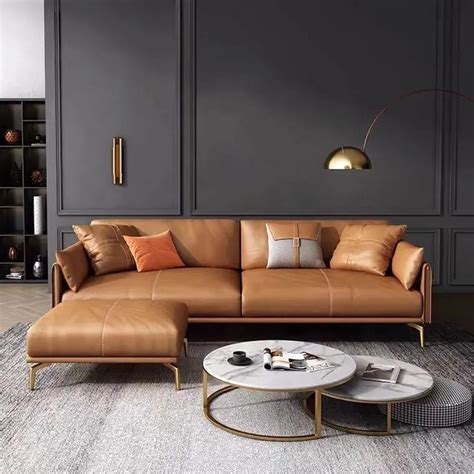
When shopping for a leather couch, the terminology can quickly become confusing. Not all leather is created equal, and understanding the differences between hide grades is vital to ensuring your investment stands up to daily family life, pets, and entertaining guests.
Full-grain leather represents the highest tier of quality. It utilizes the entire outer hide without any sanding or buffing to remove natural imperfections like scars or grain variations. Because the natural fiber structure remains completely intact, full-grain leather breathes exceptionally well, develops a rich and luxurious patina over time, and remains remarkably durable. While it commands a higher price tag and requires a bit of care, its authentic character is unmatched by any synthetic alternative.
Top-grain leather is the most common choice for high-end residential furniture. Manufacturers lightly sand and buff the top surface to correct minor blemishes, then apply a protective finish or a faux grain pattern. This makes top-grain leather more uniform in appearance and slightly more resistant to stains and spills than full-grain variants. It offers a wonderful balance of luxurious softness, durability, and practical maintenance, making it an ideal choice for busy households across the United States.
Lower-tier options like split leather and bonded leather use inner layers or leftover scraps bonded together with polyurethane. While they offer an accessible entry-level price point, they lack the tensile strength and longevity of top-grain and full-grain hides. Bonded leather, in particular, tends to peel and crack within a few years of regular use, especially in homes with variable indoor climates or active pets.
Evaluating Frame Construction and Cushion Support

A gorgeous leather exterior means very little if the internal skeleton of the sofa fails within a couple of years. When evaluating furniture specifications online or inspecting a floor model in-store, always look past the upholstery to investigate how the frame and suspension systems are engineered.
Kiln-dried hardwood frames represent the gold standard in furniture manufacturing. Woods like oak, ash, or beech that have been kiln-dried to remove excess moisture will not warp, crack, or twist as humidity levels fluctuate throughout the changing U.S. seasons. Avoid frames constructed from particle board, soft plywood, or stapled pressboard, as these materials easily loosen under structural stress.
For suspension and support, look for heavy-gauge sinuous springs or eight-way hand-tied coil spring systems. Eight-way hand-tied springs distribute weight evenly across the entire seating platform, providing superior bounce and long-term resilience. Pair this with high-density foam cushions wrapped in down-blend or feather layers to ensure your sofa maintains its supportive contour rather than sagging permanently after a few months of daily lounging.
Online Shopping vs. Brick-and-Mortar Showrooms
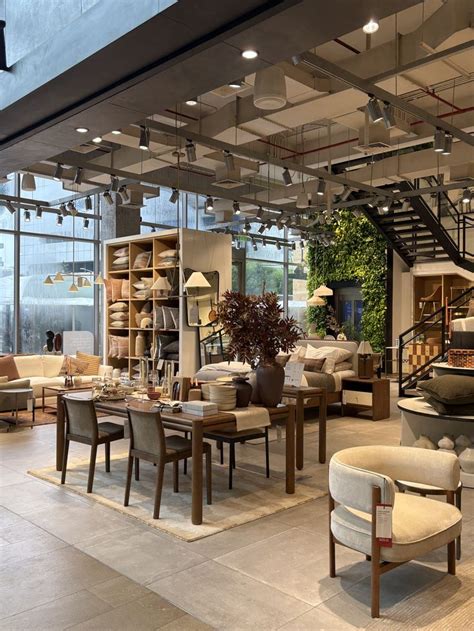
The modern furniture market offers two distinct paths for U.S. consumers: browsing expansive digital storefronts or visiting physical brick-and-mortar furniture galleries. Each approach comes with distinct advantages and potential pitfalls that every buyer should weigh carefully.
Buying a leather sofa online unlocks an incredible variety of styles, competitive pricing, direct-to-consumer discounts, and customer review systems that give you insight into real-world performance. However, online shopping requires diligent homework. Because digital screens can distort color accuracy and texture, reputable online retailers typically offer free leather swatches so you can test the exact shade and hand-feel in your actual living room lighting before committing.
Visiting a physical showroom, on the other hand, allows you to physically sit on the sofa, test the seat depth, evaluate the arm height, and feel the supple texture of the hide firsthand. Sales associates can also provide expert advice on custom configurations and modular layouts. The primary trade-off is that physical showrooms usually feature a more limited selection of floor models, and retail markups can sometimes be noticeably higher than online-exclusive brands.
Measuring Your Space and Navigating Delivery Logistics
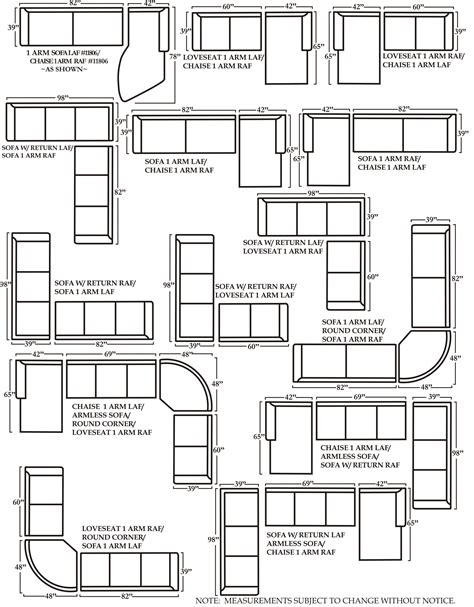
One of the most common causes of buyer’s remorse is failing to measure accurately before ordering. Before you fall in love with a sprawling sectional or a deep-seated three-seater couch, map out your living room floor plan using painter’s tape to visualize the exact footprint.
Equally important is measuring all entry points along the delivery route. Check the width and height of your exterior entry doors, apartment building elevators, stairwells, and interior hallways. If you live in an older home with tight corners, look for sofas featuring removable legs or modular designs that can be maneuvered through restricted spaces with ease.
Finally, review the retailer’s delivery policies carefully. Opting for white-glove delivery is almost always worth the modest additional fee for large leather furniture. Professional delivery teams will bring the heavy sofa inside, assemble any modular components, place it precisely where you want it, and haul away all bulky cardboard and protective packaging materials, saving you immense time and physical strain.
Frequently Asked Questions
What is the difference between top-grain and full-grain leather for a living room sofa?
Full-grain leather utilizes the complete hide without any sanding, preserving natural markings and developing a stunning patina over time. Top-grain leather has its top surface lightly buffed to remove minor imperfections and features a protective coating, making it more uniform and slightly easier to clean while still offering exceptional durability and luxury.
How can I ensure a sofa purchased online will fit through my apartment or house doorway?
Always measure the diagonal depth and width of your doorways, hallways, and elevator interiors before purchasing. Look for online product specifications that list the frame’s packaged dimensions, and consider modular styles or models with removable wooden legs to make tight turns much easier during delivery.
How do I maintain and condition a leather couch in different U.S. climates?
In drier climates, leather can dry out and crack over time, so regular conditioning with a specialized leather cream every six to twelve months is essential. In humid coastal environments, keep the sofa out of direct sunlight and away from damp exterior walls to prevent mold and mildew while ensuring good indoor air circulation.
What should I look for in a leather sofa warranty?
A reputable furniture manufacturer typically offers a lifetime warranty on the internal hardwood frame and suspension springs, along with a multi-year warranty covering cushion foam resilience and stitching defects. Read the fine print to understand what types of leather wear or accidental damage are covered.


