Modern American homeowners and short-term rental operators continually seek innovative ways to expand their usable square footage beyond interior walls. When hosting large family reunions, neighborhood celebrations, or seasonal gatherings, traditional patio umbrellas and standard pop-up canopies often fall short on scale and comfort. Introducing a commercial-scale structure, such as a 20-person star tent equipped with an integrated screen room, bridges the gap between professional event hospitality and residential relaxation. These distinctive architectural shelters provide dramatic visual appeal while delivering functional, bug-free covered space for dozens of guests.
Successfully integrating a large canopy structure into a residential landscape requires balancing spatial footprint, aesthetic considerations, and local weather patterns. Unlike permanent additions like decks or pergolas, temporary high-capacity tents offer remarkable layout flexibility, allowing properties to adapt quickly for special occasions. Understanding the practical mechanics of sizing, anchoring, and climate management ensures that investing in a large-scale outdoor shelter yields a comfortable, secure, and memorable environment for visitors and residents alike.
Evaluating Spatial Requirements and Yard Compatibility
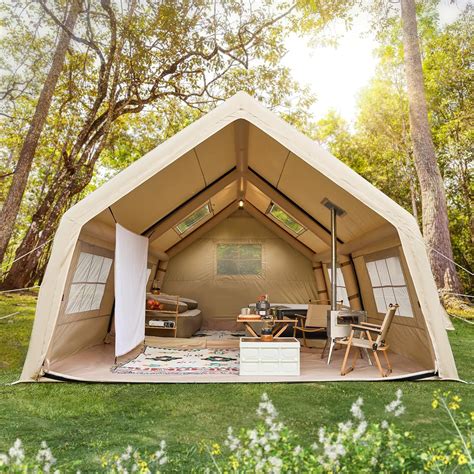
Before introducing a massive shade structure to a residential property, careful measurement of the yard layout is essential. Star tents derive their iconic, soaring silhouette from a central pole and a wide-radius anchoring system, meaning they demand a significantly larger footprint on the ground than the actual shaded area underneath. A model designed to accommodate twenty people comfortably generally requires a generous circular clearance zone to allow proper tensioning of the guy lines and stakes.
Homeowners must evaluate underground utility lines, sprinkler systems, and overhead tree branches before driving heavy stakes into the lawn. If the property features sloped terrain or uneven landscaping, assessing how the central pole and outer anchoring points will align becomes crucial for maintaining structural stability. Creating a scaled map of the yard helps determine the optimal placement that preserves natural pathways while offering easy access from indoor living areas or outdoor kitchens.
The Value of an Integrated Screen Room for Pest Protection
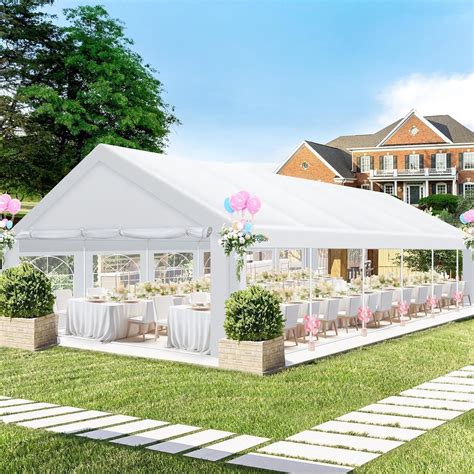
Outdoor entertaining across many regions of the United States often comes with the persistent challenge of evening insects, mosquitoes, and humidity. Traditional open-air canopies provide relief from harsh direct sunlight, but they leave guests exposed to pests once dusk arrives. A star tent featuring an integrated screen room solves this dilemma by enclosing the central gathering space in fine, durable mesh walls that block unwanted wildlife while maintaining maximum cross-ventilation.
This screened barrier transforms the functionality of the tent from a daytime-only shade structure into a comfortable evening lounge. Guests can dine, converse, or relax well past sunset without needing chemical bug sprays or disruptive citronella candles. The transparent nature of quality screening also ensures that unobstructed views of the surrounding garden or landscape remain intact, preserving the open-air aesthetic of the backyard.
Ideal Use Cases for U.S. Homes and Short-Term Rentals
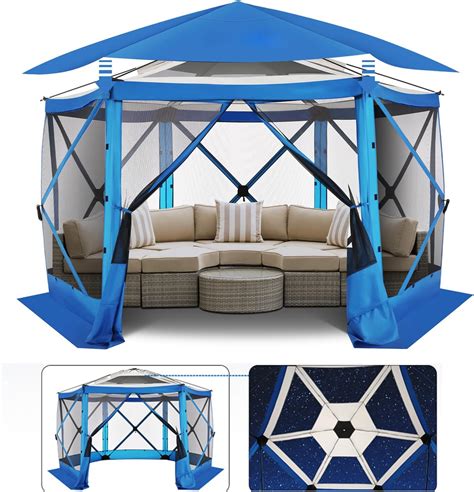
For residential homeowners, a high-capacity star tent unlocks the ability to host graduation parties, milestone birthdays, and holiday barbecues without renting an expensive commercial hall. Instead of crowding thirty people onto a standard back deck, the party flows naturally onto the lawn beneath a sweeping architectural canopy that defines distinct zones for seating, dining, and mingling.
Property owners managing short-term vacation rentals can leverage these structures to significantly boost their listing’s appeal and perceived value. Highlighting an expansive, bug-protected outdoor lounge area in rental photography attracts larger family groups and event planners looking for unique amenities. Providing a ready-to-use gathering pavilion sets a property apart in competitive regional markets, translating directly into higher guest satisfaction and positive reviews.
Weather Resilience and Structural Safety Considerations
Large temporary shelters must be engineered to withstand fluctuating weather conditions, ranging from sudden summer thunderstorms to gusty winds. The distinctive star shape inherently sheds wind better than flat-topped box canopies, but proper installation remains non-negotiable. Securing the structure with heavy-duty stakes or weighted ballast bags, depending on whether the setup sits on grass or a hard patio, prevents shifting during unexpected weather events.
Routine maintenance involves allowing the canopy fabric to dry completely before packing it away to prevent mildew growth, especially in humid climates. Checking tension straps and anchor points before each major event guarantees that the structure remains taut and secure. By respecting the engineering limits of the tent and monitoring local forecasts, U.S. property owners can enjoy years of reliable performance from their high-capacity outdoor living investment.
Frequently Asked Questions
How much open yard space do I need to set up a 20-person star tent?
Because star tents rely on a wide-radius anchoring system to achieve their tensioned canopy design, you typically need a clear circular area that is significantly wider than the shaded interior footprint. Always check the manufacturer’s specific clearance guidelines to ensure proper staking distance.
Can a star tent with a screen room be installed on hard surfaces like concrete patios?
Many models can be adapted for hard surfaces by utilizing heavy-duty water or sand ballast weights instead of ground stakes. However, you should always consult the specific product instructions to confirm that alternate anchoring methods meet local wind safety standards.
Are these large tents difficult to assemble for residential use?
Due to their size and central pole design, setting up a 20-person star tent generally requires at least two to three people. While the process is straightforward with the right team, it takes more coordination than a standard pop-up canopy.
How does the screen room hold up against heavy rain and wind?
Integrated screen walls are designed primarily for pest protection and airflow rather than solid waterproofing. While the main canopy overhead shields against rain, severe storms with strong horizontal winds may drive moisture through the mesh panels, requiring temporary closure or evacuation.


