Living in a compact apartment often means sacrificing square footage, but it should never mean compromising on style or comfort. When floor space is at a premium, every single square inch requires a deliberate purpose. Transforming a cramped layout into an inviting sanctuary relies less on physical expansion and more on clever visual tricks, intentional furniture selection, and creative vertical organization. Whether you are dealing with a narrow floor plan, awkward architectural angles, or strict rental lease agreements, thoughtful planning can completely redefine how your living room functions on a daily basis.
Approaching a small space demands a shift in perspective. Instead of viewing compact dimensions as a frustrating limitation, treat them as an invitation to curate a streamlined, highly functional environment. By focusing on multi-purpose elements, unimpeded sightlines, and smart zoning, you can cultivate an atmosphere that feels surprisingly open, airy, and deeply personal. The following design strategies offer actionable ways to optimize your small apartment living room without requiring expensive renovations or permanent structural changes.
Embracing Multi-Functional Furniture
When physical square footage is scarce, traditional single-purpose furniture quickly eats up precious floor space. Choosing pieces that perform double duty is one of the most effective ways to maintain an uncluttered living area while retaining full everyday functionality. A storage ottoman can serve as a coffee table, extra seating, and a hidden repository for cozy blankets and board games.
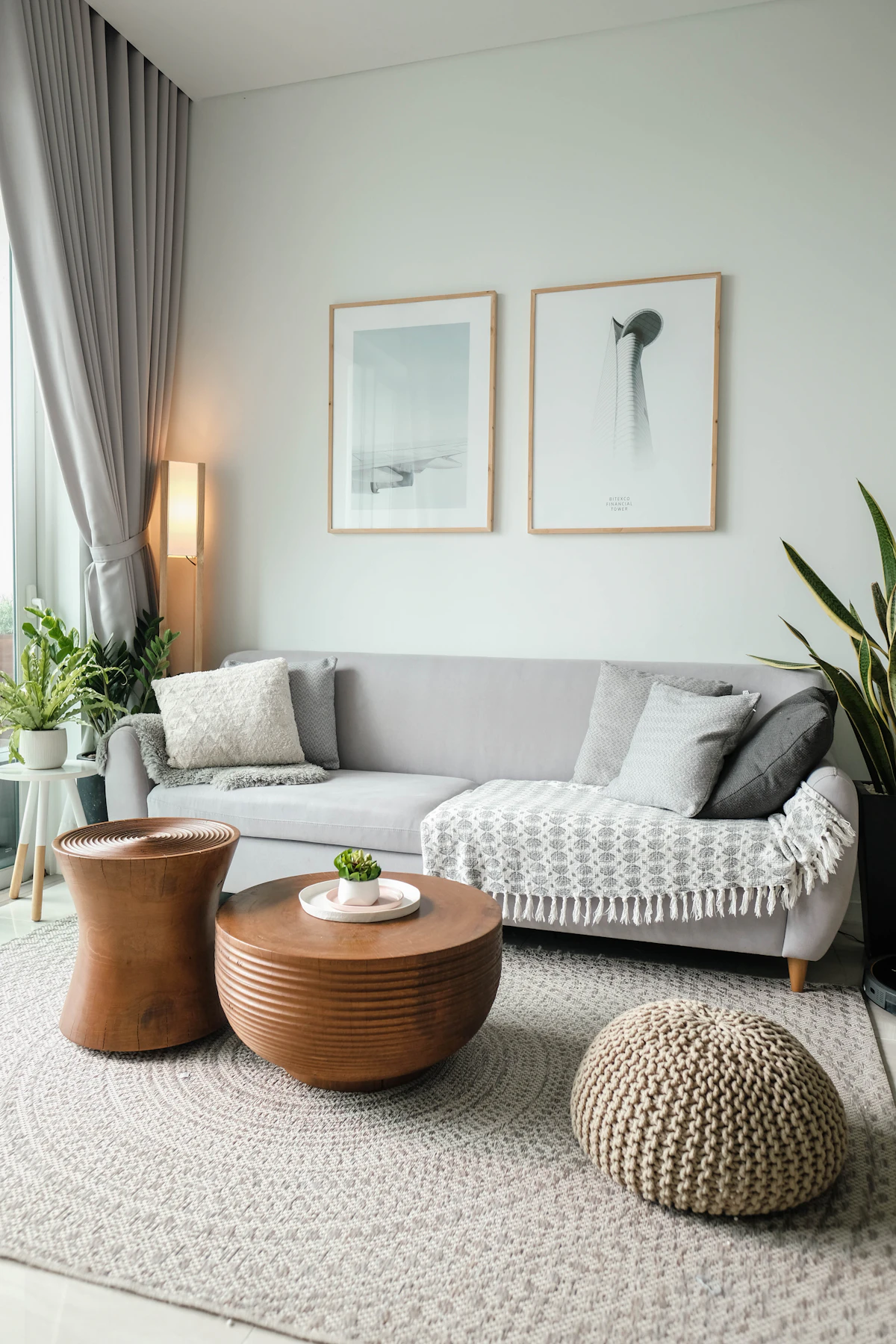
Sofa beds and modular sectionals with built-in pull-out storage compartments also change the game for compact dwellings. Renters frequently face the challenge of accommodating overnight guests without a dedicated guest room, making a streamlined convertible sofa an essential investment. When selecting these items, prioritize clean silhouettes and exposed legs rather than heavy, skirted designs. Elevated furniture allows light to travel underneath the piece, tricking the eye into perceiving a more expansive floor area.
Nesting Tables and Modular Seating
Heavy coffee tables can anchor a small room in a restrictive way, making navigation difficult. Nesting tables offer a brilliant alternative because they can be tucked neatly underneath one another when you need maximum open floor space for stretching or entertaining. When guests arrive, simply pull them apart to provide individual surface areas for drinks and books.
Modular seating arrangements provide similar flexibility, allowing you to reconfigure your layout depending on whether you are hosting a movie night or enjoying a quiet evening alone. Choosing lightweight chairs or stools that can double as side tables ensures your living room remains adaptable to your changing daily routines.
Maximizing Vertical Space and Wall Storage
Floor space is finite, but walls offer an expansive canvas for storage and display. When you stop looking outward and start looking upward, an entirely new dimension of organization opens up. Tall bookcases, floating shelves, and wall-mounted media consoles keep the floor completely clear, which instantly reduces visual clutter and makes the room feel significantly larger.
For renters who cannot drill excessive holes into drywall, heavy-duty tension shelving units or leaning ladder shelves provide excellent alternatives. These pieces utilize vertical height while anchoring safely against walls with minimal hardware. When styling tall vertical shelves, place heavier items near the bottom and keep lighter, decorative objects near the top to maintain a balanced, intentional aesthetic.
Hanging Art and Curtains High
Another powerful vertical trick involves the strategic placement of window treatments and wall art. Hanging your curtain rods just a few inches below the ceiling line—rather than directly above the window frame—draws the eye upward and creates the illusion of soaring architectural height. Pair this technique floor-length sheer curtains to diffuse natural light gently throughout the space.
When hanging artwork, resist the urge to place pieces at varying, random eye levels. Instead, create a cohesive gallery wall or hang a single oversized piece of art slightly higher than standard museum height. This subtle adjustment stretches the vertical proportions of the room, making standard-height ceilings feel grander and more breathable.
Light and Color Strategies for Openness
Color choices and lighting placement heavily influence how large or small a room feels. While deep, saturated paint colors can certainly create a cozy mood, light and neutral color palettes reflect natural and artificial light much more effectively. Soft off-whites, warm grays, pale beiges, and muted pastels bounce illumination around the room, erasing harsh shadows that make tight corners feel cramped.
Mirrors represent another classic interior design tool that works wonders in small apartments. Positioning a large floor mirror directly opposite a window doubles the amount of natural light entering the room while creating a convincing sense of depth. If floor space for a standing mirror is unavailable, consider a statement wall mirror or a gallery arrangement of smaller mirrored panels to achieve the same luminous effect.
Layered Lighting Over Overhead Fixtures
Overhead lighting in rental apartments can often feel sterile and harsh, casting unflattering shadows that shrink the room. A better approach relies on layered ambient, task, and accent lighting at varying heights. Combine a dimmable floor lamp in a dark corner with sleek wall sconces and table lamps on sideboards.
Using multiple warm light sources eliminates dark corners and creates a soft, enveloping glow. For apartment dwellers lacking floor space for traditional lamps, plug-in wall sconces offer a brilliant solution that requires zero electrical wiring while freeing up valuable surface areas on side tables and desks.
Strategic Layouts and Visual Zoning
Arranging furniture in a small living room requires careful attention to traffic flow and spatial balance. Pushing every single piece of furniture flush against the perimeter walls is a common mistake that actually makes a room feel awkward and disconnected. Pulling your sofa and armchairs slightly inward creates a cozier, more intimate conversational zone.
Area rugs play a vital role in defining these zones, especially in open-concept studio apartments where the living room bleeds directly into the kitchen or entryway. Selecting a properly sized rug that anchors at least the front legs of your seating furniture instantly establishes boundaries and brings visual cohesion to the overall layout.
Keeping Sightlines Clear
Maintaining unobstructed sightlines across the room is critical for preventing a cramped feeling. Choose furniture with low profiles and open frames, such as glass-topped coffee tables or wire-frame armchairs, so your gaze can travel straight through them to the far wall.
Avoid blocking natural pathways between the entryway, kitchen, and balcony doors. A smooth, uninterrupted traffic flow makes even the most modest apartment feel orderly, intentional, and remarkably spacious.
Frequently Asked Questions
How can I make my small living room look bigger without renovating?
You can make a small living room look significantly larger by maximizing natural light, using floor-to-ceiling curtains, placing large mirrors opposite windows, and choosing low-profile furniture with exposed legs that allow light to pass underneath.
What is the best furniture layout for a tiny apartment living room?
Instead of pushing all furniture against the walls, float your seating slightly inward to create an intimate conversational zone. Use nesting tables, modular seating, and multi-functional storage pieces to maintain an open traffic flow.
How do I add storage to a rental apartment living room without built-ins?
Utilize vertical space with leaning ladder shelves, tension poles, and wall-mounted floating shelves. Incorporate multi-functional furniture such as storage ottomans, media consoles with closed cabinets, and storage benches to conceal clutter effortlessly.


