When homeowners across the United States look to expand their usable living square footage, attention usually turns to deck expansions, patio furniture, or screened porches. However, a growing trend in residential outdoor design involves repurposing multi-room family tents as temporary backyard guest suites, children’s play zones, and unique entertainment hubs. Moving beyond traditional backcountry camping, these large structures provide a flexible, room-like environment right on your lawn.
Utilizing a spacious 2 or 3-bedroom tent allows families to host gatherings, create immersive backyard staycations, or provide private sleeping quarters for visiting relatives without undertaking costly home renovations. Understanding how these large shelters fit into a residential landscape requires evaluating layout styles, spatial dimensions, lawn maintenance considerations, and regional weather patterns to ensure a successful setup.
The Appeal of Multi-Room Tents for Residential Yards
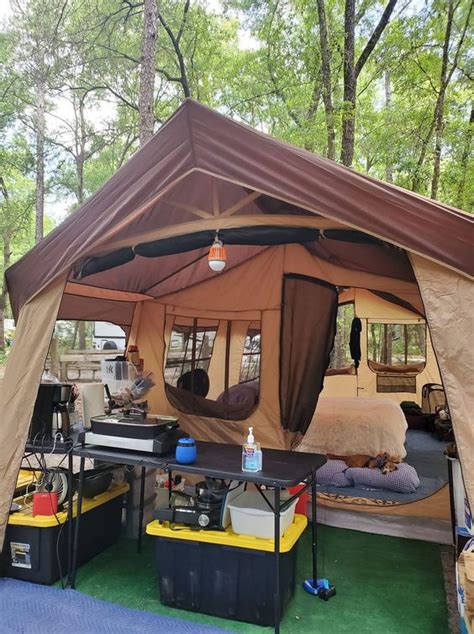
Modern family tents engineered with multiple rooms offer architectural division that mimics indoor spaces. Unlike a standard single-dome tent, multi-room models incorporate zippered fabric dividers to establish distinct zones. This design makes them exceptionally useful for multi-generational backyard gatherings where different age groups require varying levels of privacy and quiet space during daytime celebrations or evening sleepouts.
Hosting family reunions or neighborhood parties often stretches the capacity of indoor living areas. Setting up a large multi-room tent on the lawn creates a dedicated lounge area, a shaded nap space for toddlers, or a weather-resistant game room. Guests can circulate freely between the main house patio and the backyard shelter, bridging the gap between indoor hospitality and open-air relaxation.

When planning a backyard tent installation, homeowners should consider how interior zoning enhances overall comfort. A central common area can house low-profile seating, rugs, and battery-powered lighting, while the flanking rooms serve as private sleeping or changing areas. This functional separation ensures that the tent feels less like traditional camping gear and more like a deliberate extension of your home’s living space.
Comparing 2-Room Versus 3-Room Layouts
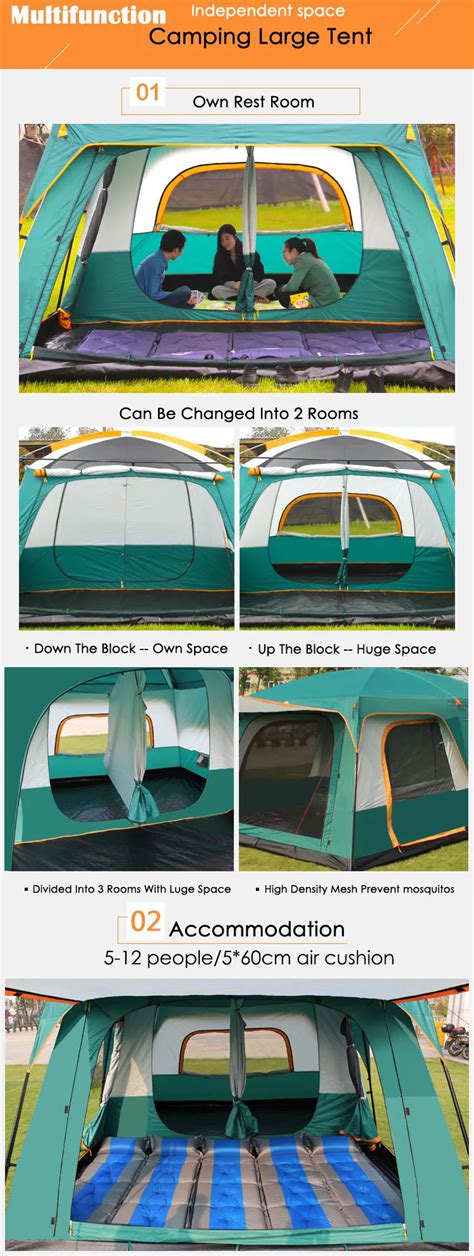
Choosing between a two-room and a three-room tent depends heavily on your specific entertaining needs and the frequency of your backyard events. Two-room tents typically feature a central divider that splits the floor plan in half, offering one larger communal space paired with a smaller private room. This configuration works wonderfully for families looking to create a primary lounge space with an attached private sleeping nook for overnight guests.
Three-room tents, on the other hand, provide a central shared corridor flanked by two independent rooms on either end. This symmetrical layout maximizes privacy and allows multiple couples or groups of children to share the shelter without crossing through each other’s private quarters. Such layouts are particularly advantageous for hosting extended family visits where privacy is a top priority.
Evaluating spatial flow requires looking closely at door placements and wall heights within these multi-room structures. Tents featuring near-vertical walls and high ceilings offer superior headroom, allowing adults to stand comfortably without stooping. When configuring furniture or air mattresses inside these rooms, prioritize models that feature multiple entry doors so guests do not have to disturb one another when entering or exiting the yard.
Evaluating Yard Space and Dimension Requirements
Before purchasing a large family tent, measuring your available lawn space is an essential preliminary step. A standard 2 or 3-bedroom tent frequently spans anywhere from 10 to 20 feet in length and width, requiring a flat, obstacle-free footprint. Homeowners must account not only for the tent’s base dimensions but also for the additional clearance needed for guy lines and exterior stakes.
Lawn topography plays a significant role in structural stability and comfort. Sloped yards can cause sleeping pads to slide and make standing awkward, so identifying the flattest section of grass is vital. Additionally, keeping the tent clear of overhanging tree branches prevents falling debris, sap accumulation, and potential fabric damage during windy weather conditions in your region.
Surface Considerations: Grass Versus Hardscaping
While lush green grass is the ideal surface for staking down a large family tent, many suburban yards feature patios, pavers, or composite decking. Setting up on soft turf allows for deep anchor penetration using heavy-duty steel stakes, providing robust resistance against sudden gusts of wind.
When installing a multi-room tent over hard surfaces, traditional staking becomes impossible, requiring alternative anchoring methods such as weighted water bags, sandbags, or specialized patio tie-down plates. Homeowners should also incorporate thick outdoor area rugs or foam interlocking tiles inside the tent to insulate against the cold stone or hard pavers below.
Weather Resistance and Semi-Permanent Setup Practicalities
Many homeowners prefer to leave a backyard tent assembled for an entire weekend or even a couple of weeks during peak summer months. However, fabric shelters are subject to environmental stressors such as intense ultraviolet radiation, morning dew, sudden downpours, and wind shear. Selecting a tent with a high hydrostatic head waterproof rating and robust fiberglass or steel poles ensures the structure remains stable.
Managing interior moisture and ventilation is equally important during multi-day residential setups. Large tents with mesh ceiling panels, adjustable ground vents, and rainflies with roll-back options prevent condensation buildup and keep the interior fresh. Taking down the tent or rolling up the rainfly during dry, sunny afternoons also protects the synthetic fabrics from unnecessary UV degradation.
Streamlining Setup and Takedown for Occasional Users
The prospect of assembling a massive multi-room tent can feel daunting for homeowners who only camp occasionally. Fortunately, modern manufacturer designs have introduced color-coded pole systems, continuous pole sleeves, and pre-attached hub mechanisms that significantly simplify the initial assembly process. Setting aside an hour for a practice run in the yard before your actual gathering ensures a stress-free experience.
Involving family members or friends in the setup transforms the task into a fun pre-event activity rather than a solitary chore. Once the gathering concludes, ensuring the tent fabric is completely bone-dry before packing it into its storage duffel prevents mold and mildew growth, preserving your investment for many seasons of backyard enjoyment to come.
Frequently Asked Questions
Can I leave a multi-room family tent pitched in my backyard all summer long?
Leaving a tent pitched continuously throughout the entire summer is generally discouraged. Continuous exposure to harsh ultraviolet rays, heavy rain, and wind can degrade synthetic tent fabrics and weaken poles. It is best to set the tent up for specific weekends, events, or staycations, and pack it down afterward to maximize its lifespan.
How do I anchor a large family tent if my backyard has a concrete patio instead of grass?
When setting up on hard surfaces like concrete, asphalt, or stone pavers where stakes cannot be driven into the ground, you must rely on heavy-duty weights. Options include commercial water weights, sandbags secured to the frame corners, or specialized patio anchor weights designed to keep large structures secure against unexpected wind gusts.
What size generator or power source do I need to light a backyard tent?
For most backyard tent setups, heavy-duty gas generators are unnecessary unless you are running high-wattage appliances. Instead, rechargeable LED lanterns, string lights powered by solar panels or portable power stations, and heavy-duty outdoor extension cords routed safely from an exterior home outlet provide more than enough illumination and device-charging capability.
Are multi-room family tents difficult for one person to assemble alone?
Due to their large footprint, height, and complex pole structures, most 2 and 3-bedroom family tents are designed as two-person assembly projects. While experienced users can sometimes pitch them solo, having a second person assists greatly with raising upright walls and keeping the framework stable during the initial setup stages.


