Refreshing your living room does not always require an extensive budget, major construction, or replacing all of your foundational furniture. Often, the secret to breathing new life into a tired space lies in how you style smaller, tactile elements—such as artisanal pottery and ceramics—alongside your existing furniture layout. American homes feature diverse architectural styles, ranging from compact urban apartments to sprawling suburban open-plan layouts. By thoughtfully pairing the earthy, grounded presence of clay and terracotta with intentional spatial planning, you can completely shift the visual energy of your main gathering space.
When approaching a living room refresh, the key is to look at your surfaces and floor plan as an interconnected canvas. Heavy textiles like wool rugs and linen upholstery need the contrasting, smooth, or rough-hewn surfaces of ceramic vessels to feel completely anchored. By introducing statement pottery pieces and arranging your seating to showcase them, you create natural focal points that draw the eye, invite touch, and make the room feel curated over time rather than styled straight out of a catalog.
Balancing Scale and Proportion on Living Room Surfaces
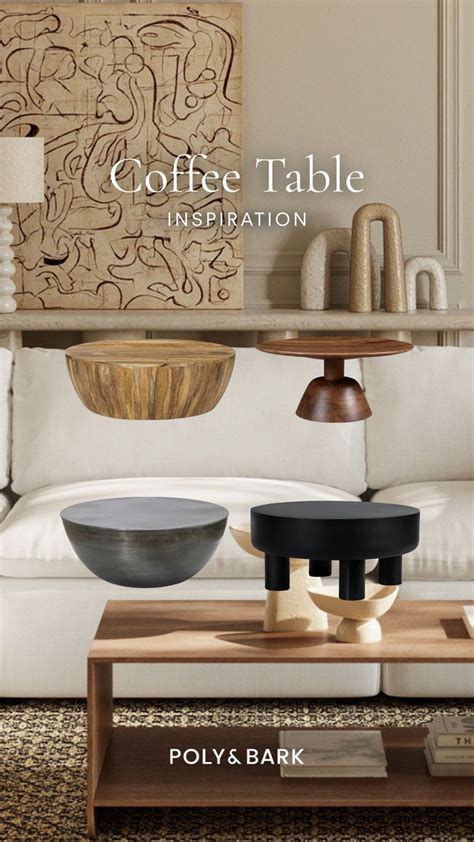
One of the most common pitfalls when decorating with pottery is scattering too many small, disconnected pieces across coffee tables, media consoles, and sideboards. This approach creates visual clutter rather than a cohesive design statement. Instead, focus on varying the scale and height of your ceramic pieces. Pair a tall, slender vase with a wide, low-profile bowl to create an immediate sense of architectural contrast. Grouping items in odd numbers—typically threes or fives—allows the human eye to travel naturally across the arrangement without feeling trapped or overwhelmed by symmetry.
Consider the physical depth and weight of your furniture surfaces when choosing pottery sizes. A massive, heavy ceramic urn might look stunning on a wide oak console table, but it can easily overwhelm a delicate glass-topped side table. Conversely, tiny bud vases get entirely lost on large ottoman-style coffee tables. Strive for a balanced visual weight where the mass of the pottery corresponds to the footprint of the furniture holding it. This careful calibration ensures that your decorative accents feel intentional, stable, and completely at home within the room’s broader proportions.
Furniture Layouts That Highlight Statement Pottery Pieces
Your furniture arrangement dictates how people move through and experience your living room, which naturally makes it the framework for displaying your favorite decor. If you own a truly exceptional statement piece of pottery—such as a large hand-thrown floor vessel or a brightly glazed ceramic sculpture—your seating layout should actively frame it. Rather than pushing all your furniture flat against the perimeter walls, pull your primary sofa and armchairs inward slightly to create dedicated sightlines toward a corner accent table, a floating bookshelf, or an empty hearth where the pottery can command attention.
In typical American suburban living rooms that feature open-concept designs, floating your furniture away from the walls also creates distinct zones. You can utilize a long behind-the-sofa console table as a prime display runway for a curated collection of mid-century modern or rustic earthenware. This positioning ensures the pottery is visible from multiple angles—whether you are entering the room from the foyer, cooking in the adjacent kitchen, or relaxing on the main couch. Always ensure that heavier ceramic decor is placed safely away from high-traffic pathways where energetic pets or children might accidentally nudge them.
Harmonizing Textures: Wood, Fabric, and Clay
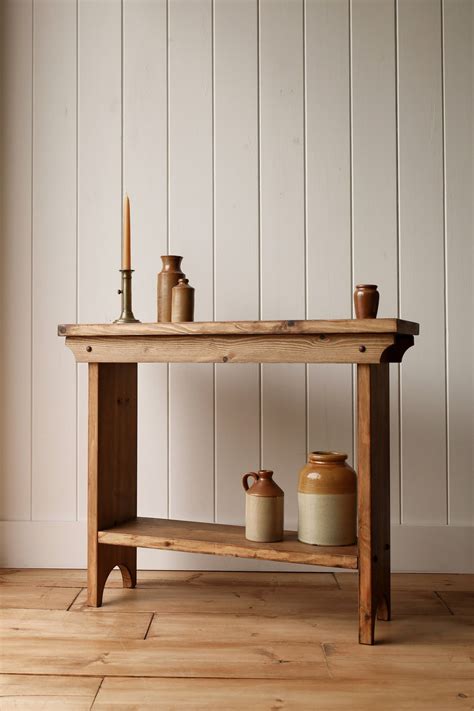
One of the most satisfying aspects of incorporating pottery into interior design is the rich tactile dialogue it creates with other materials. Modern American living rooms often feature plenty of manufactured wood, smooth leather, and woven polyester fabrics. While these materials are practical and durable, they can sometimes render a space feeling flat or clinical. Introducing raw, unglazed terracotta, stoneware with visible throwing lines, or glossy reactive-glaze ceramics injects organic warmth and authentic texture into the environment.
To achieve a harmonious look, anchor your ceramic pieces against contrasting textures. Place a chalky, matte-white ceramic vase on a rich walnut or reclaimed wood coffee table so the stark material contrast highlights both surfaces. If your living room leans heavily into neutral textiles like beige or gray linen, use rich ochre, rust, or deep forest green pottery to introduce subtle pops of earthy color without relying on overly bright, jarring accessories. This layering of tactile elements creates a cozy, lived-in atmosphere that feels deeply personal and grounded.
Creative Budget-Friendly Display Strategies
Revitalizing your living room with pottery does not require investing in expensive gallery pieces. Thrift stores, vintage markets, and local artisan fairs across the United States are incredible treasure troves for unique ceramic finds with genuine character. When hunting for budget pottery, look past a piece’s original color; a dated floral pattern or an unflattering glaze can often be completely transformed with a quick coat of matte spray paint or a textured plaster finish, allowing you to customize the decor to your exact color palette.
Once you have gathered your collection, experiment with unconventional display locations beyond the standard coffee table. Utilize sturdy floating shelves mounted securely into wall studs to display a staggered collection of smaller vessels. Alternatively, place a large ceramic planter directly on the floor beside a media cabinet, filling it not just with a houseplant, but perhaps dried pampas grass, sculptural branches, or even leaving it empty as a purely architectural statement. By thinking outside the traditional box, you maximize the impact of your decor while keeping your styling fresh and unpredictable.
Frequently Asked Questions
How do I style pottery in my living room without it looking cluttered?
The key is curation and scale. Avoid placing single, tiny items all over every surface. Instead, group pottery in odd numbers (like three pieces of varying heights) and leave plenty of negative space on your coffee table or shelves so the eye can rest.
Where are the best places in a living room to display ceramic art?
High-impact areas include behind-the-sofa console tables, floating wall shelves anchored into studs, corner accent tables, and styled media consoles. Choose locations where the pieces are visible from multiple seating angles but safely away from high-traffic paths.
How do I choose pottery colors that match my existing furniture?
Look at the undertones of your wood furniture and textiles. If your room features warm woods and neutral fabrics, earthy tones like terracotta, sage green, or cream ceramics will blend seamlessly. Use bolder glazes only if you want to create an intentional focal point.
Is heavy pottery safe to use if I have pets or children?
Safety is crucial. Heavy ceramic pieces should be placed on stable, low-profile surfaces well out of tail-swishing or toddler-climbing range. Avoid placing heavy, fragile items on wobbly accent tables or precarious shelf edges.


