Designing a living room that successfully marries contemporary flair with enduring style requires a careful balance of proportions, textures, and purposeful layouts. In modern American homes, where open-concept floor plans and multifunctional living are increasingly the norm, finding this equilibrium can feel challenging. Rather than chasing fleeting internet aesthetics, a truly successful living room design focuses on architectural integrity, comfortable scale, and materials that age gracefully over time.
Whether you are outfitting a sprawling suburban great room or refreshing a compact urban apartment, incorporating a thoughtful mix of warm minimalism, tactile surfaces, and timeless furniture silhouettes ensures your space remains welcoming for years to come. The following ideas provide practical inspiration for shaping a living room that feels deeply personal, visually cohesive, and ready for everyday life.
Foundational Palettes and Warm Minimalism
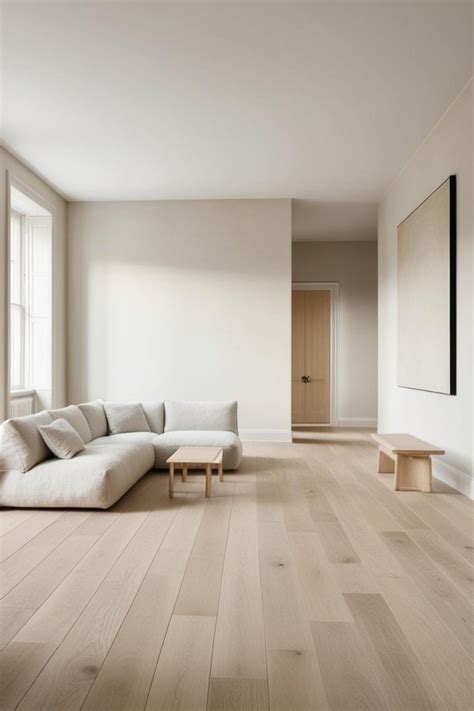
Creating a space that feels calm yet inviting starts beneath your feet and along your walls. Moving away from stark, sterile whites, contemporary interior design embraces warm minimalism through soft earth tones, creamy plaster finishes, and nuanced neutrals.
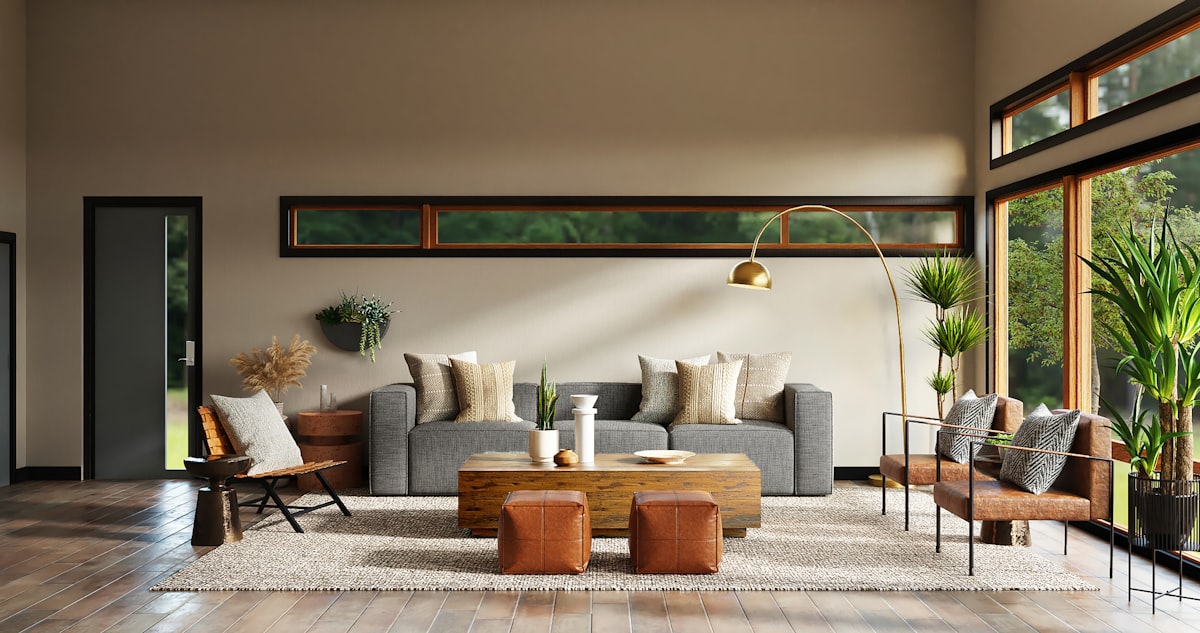
This approach relies heavily on color undertones that react naturally to changing daylight throughout the day. By choosing shades like warm beige, muted terracotta, soft olive, or subtle greige, you establish a versatile backdrop that accommodates both bold accent pieces and understated decor. Renters can easily achieve this look using high-quality removable wallpaper or flat-finish paints in rich, enveloping hues.
Layering tonal variations within the same color family prevents a neutral room from feeling flat. Pair a oatmeal-colored sofa with textured linen drapes, cream ceramic accessories, and brushed brass fixtures to introduce subtle visual depth without relying on loud patterns or oversaturated colors.
1. Embrace Organic Wall Textures
Limewash and mineral paints bring an authentic, tactile quality to plain drywall that standard latex paint cannot replicate. These finishes catch natural sunlight dynamically, creating soft shadows and a subtle, clouded effect that instantly warms up cavernous suburban living spaces.
2. Anchor with Natural Wood Floors
Light or medium-toned white oak and ash flooring provide a neutral foundation that bridges traditional and modern architecture. Wide-plank hardwoods or durable luxury vinyl planks with realistic wood grain patterns help unify open-concept spaces by maintaining a continuous visual flow into adjacent kitchens and dining areas.
3. Choose Low-Profile Seating Silhouettes
Sofas and armchairs with clean, low profiles keep sightlines open, making rooms feel larger and more breathable. This furniture style anchors the conversation area without obstructing windows or blocking flow in transitional spaces connecting to hallways or patios.
Layering Texture and Practical Materials
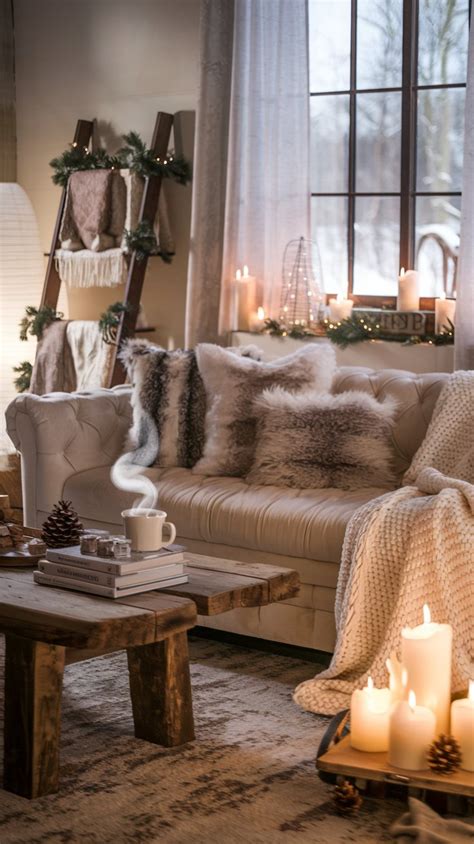
When color palettes are restrained, texture becomes the primary vehicle for visual interest. Incorporating a diverse array of materials prevents a room from feeling one-dimensional and introduces a tactile richness that invites you to settle in and stay awhile.
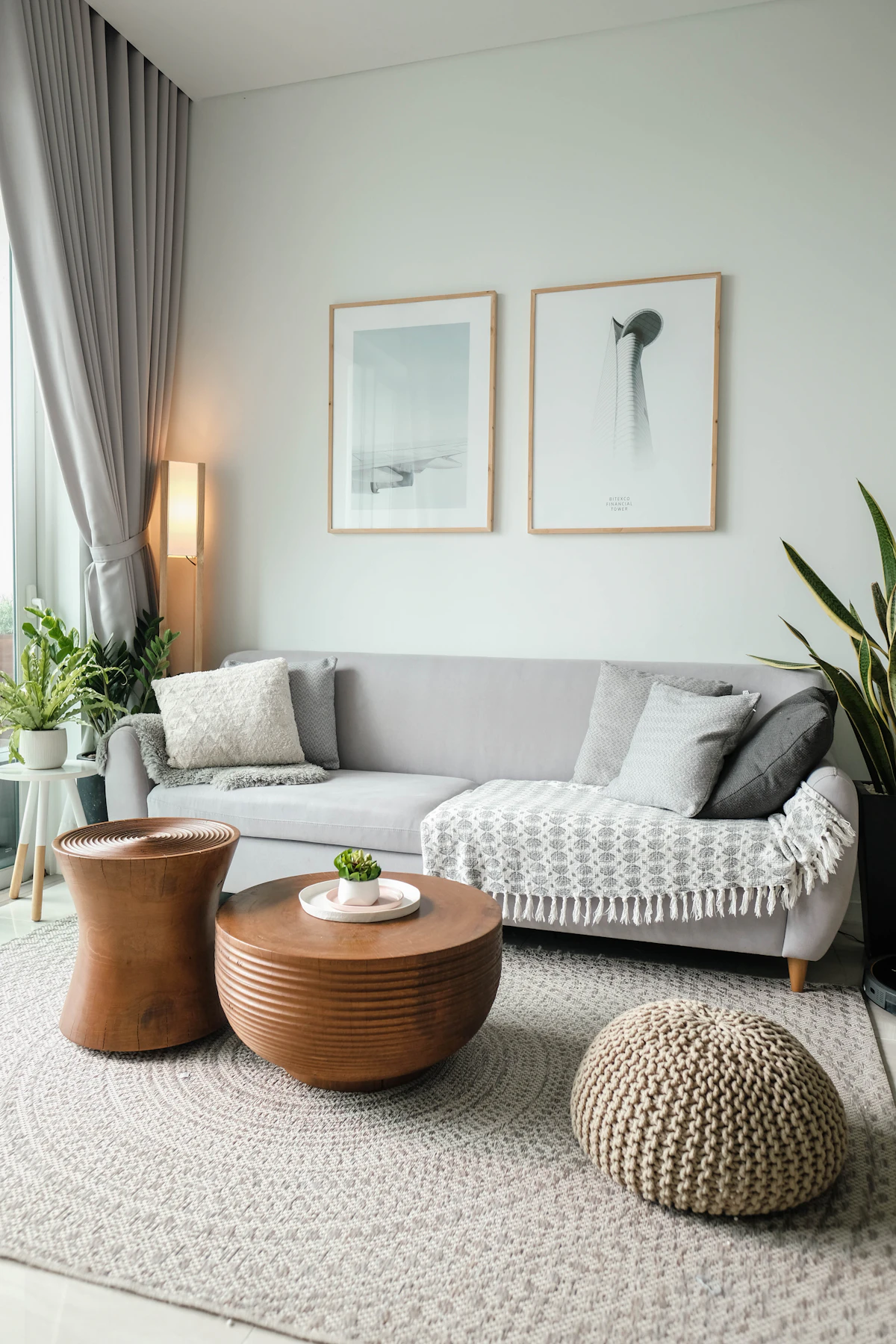
Combining raw wood, cool stone, heavy woven fabrics, and delicate ceramics creates a sensory landscape that feels collected over time rather than purchased all at once from a single showroom floor. When selecting materials, consider how they hold up to daily wear and tear, especially in households with pets or children. Performance linen blends, top-grain leathers that develop a rich patina, and sealed travertine tables offer both high design appeal and everyday durability.
Mixing smooth and rough elements is the secret weapon of professional interior stylists. Place a sleek, honed marble coffee table atop a plush, high-pile wool rug, or rest a rustic reclaimed wood bowl on a polished lacquer console. These intentional contrasts elevate the overall tactile experience of the room.
4. Introduce Travertine and Soapstone
Natural stone accents, whether through a coffee table, fireplace surround, or decorative tray, bring geological weight and enduring elegance into the living room. Unlike trendy synthetic surfaces, natural stone develops character with age, making it a wise investment for long-term home styling.
When utilizing stone elements, balance their inherent coolness by pairing them with warm textiles such as chunky knit throws or vintage velvet pillows to maintain a cozy atmosphere.
5. Incorporate Bouclé and Heavy Woven Fabrics
Textured upholstery fabrics like bouclé, chenille, and textured cotton add tactile warmth to modern seating. These materials catch the eye and provide an inviting tactile contrast against smooth leather or wooden furniture frames.
6. Style with Handcrafted Ceramics
Displaying artisanal pottery and sculptural ceramic vessels adds organic shapes and human craftsmanship to shelving and tabletops. Look for matte finishes, subtle earth tones, and handcrafted imperfections that break up the rigid lines of modern electronics and media units.
Spatial Layouts and Functional Flow
Even the most beautifully curated furniture will fall flat if the room’s layout hinders comfortable movement and conversation. American living rooms often serve multiple masters: hosting movie nights, accommodating remote work, and functioning as central play areas.
Arranging furniture away from the walls—often referred to as floating your seating arrangement—creates an intimate conversation zone that feels deliberate and cozy, even in a spacious open-concept room. Ensure there are clear walking pathways around the perimeter of the seating group so traffic can flow naturally toward kitchens, entryways, or back patios without disrupting anyone sitting down.
Integrating smart storage solutions keeps clutter at bay while maintaining clean aesthetic lines. Built-in cabinetry around a fireplace or a streamlined media console with closed doors conceals cables, toys, and daily clutter, allowing your favorite design elements to take center stage.
7. Float Your Living Room Seating
Pulling your sofa and armchairs inward toward a central area rug creates a welcoming pocket for conversation. This layout breaks up large open-plan spaces and establishes a defined room-within-a-room feel.
8. Incorporate Multifunctional Furniture
Opt for nesting coffee tables, storage ottomans, or modular sectionals that can be reconfigured depending on whether you are hosting a large gathering or enjoying a quiet evening at home.
9. Define Zones with Area Rugs
In large or open-concept homes, appropriately sized area rugs act as visual boundaries. Ensure your rug is large enough so that at least the front legs of all major seating pieces rest comfortably upon it, tying the conversation group together visually.
Lighting Layers and Ambient Atmosphere
Overhead recessed lighting alone can make even the most stylish living room feel harsh and uninviting. Crafting a timeless atmosphere relies on the concept of layered lighting, which distributes illumination across multiple heights and fixtures.
Combine ambient overhead fixtures on dimmer switches with functional task lighting—such as an adjustable reading lamp beside an armchair—and warm accent lighting like picture lights over artwork or low-level table lamps on sideboards. This multi-tiered approach allows you to dramatically shift the mood of the room from bright and energetic during the day to soft and cocooning at night.
Bulb color temperature is another crucial detail. Selecting bulbs in the warm white spectrum (around 2700K) ensures that your home retains a welcoming golden glow rather than the clinical blue-white light often associated with office spaces.
10. Layer Task and Ambient Lamps
Incorporate a mix of floor lamps, table lamps, and wall sconces placed at varying heights throughout the room. This eliminates dark corners and creates pools of soft, flattering light that make large spaces feel intimate.
11. Install Dimmer Switches Everywhere
Connecting your primary overhead lighting and accent fixtures to dimmers is one of the most cost-effective ways to upgrade your home’s ambiance, giving you instant control over the room’s mood.
12. Highlight Architectural Features
Use directional picture lights, subtle LED strip lighting in shelving units, or uplighting behind large plants to draw attention to crown molding, fireplace masonry, or textured walls.
Frequently Asked Questions
How can I make my modern living room feel cozy instead of cold?
To prevent a modern living room from feeling sterile, focus heavily on layering textures and incorporating warm lighting. Combine smooth materials like stone or glass with tactile fabrics such as bouclé, wool, and heavy linen. Introduce wood tones, house plants, and warm 2700K light bulbs to instantly soften clean-lined architecture.
What living room furniture trends are actually timeless?
Classic silhouettes with clean, understated lines—such as a tailored tuxedo sofa, solid white oak coffee tables, mid-century inspired armchairs, and simple upholstered ottomans—will always remain stylish. Avoid overly trendy shapes, novelty novelty fabrics, or fads tied strictly to social media aesthetics that quickly age out.
How do I arrange furniture in an open-concept American living room?
Avoid pushing all your furniture against the walls. Instead, float your seating group around a central area rug positioned to anchor the space. Ensure you leave clear walkways around the perimeter so traffic flows naturally between the kitchen, entryway, and living area without cutting directly through conversation zones.


