For generations, the American living room has served as the central hub for family gatherings, weekend movie marathons, and quiet evening unwinding. Balancing that desire for ultimate physical relaxation with a curated interior aesthetic can sometimes feel like a design puzzle. Bulky, traditional recliners of the past earned a reputation for dominating a room’s footprint and clashing with contemporary decor. Fortunately, modern furniture manufacturers have completely reinvented the category, introducing sleek silhouettes, premium upholstery choices, and advanced mechanisms that deliver top-tier comfort while maintaining sophisticated design integrity.
Choosing the right reclining furniture requires looking beyond the showroom appeal to evaluate how a piece functions in your actual home layout. Whether you are outfitting an expansive suburban family room or maximizing a compact urban apartment, understanding the nuances of mechanism types, spatial requirements, and fabric durability ensures your investment will look great and feel even better for years to come.
Understanding Your Options: Power Versus Manual Reclining Mechanisms
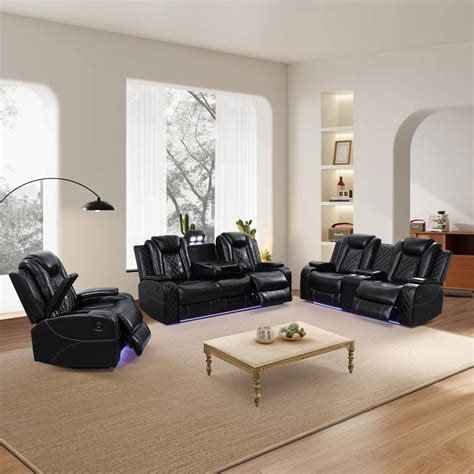
When shopping for reclining furniture, the foundational choice usually starts with the mechanism: manual pull-handles versus motorized power controls. Manual recliners rely on a spring-loaded latch or body weight pressure to push the footrest out and lean the backrest. They offer reliable, straightforward operation without the need for nearby electrical outlets, making them versatile for floating furniture arrangements in the middle of a room.
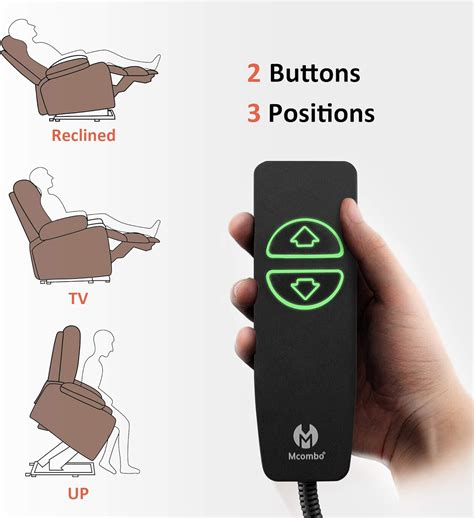
Power recliners, on the other hand, utilize quiet electric motors controlled by discreet buttons often tucked subtly between seat cushions or embedded directly into the armrest. This motorized approach allows for infinite reclining angles, letting you precisely adjust your headrest, lumbar support, and footrest independently. While power options require proximity to a wall outlet or a rechargeable battery pack, the fluid, customizable comfort they provide has made them a favorite choice for modern households looking for personalized ergonomics.
Integrating Recliners into Modern Living Room Layouts
One of the most common hesitations homeowners face when considering reclining furniture is spatial planning. Traditional recliners demand significant clearance behind the backrest to recline fully, which can force you to push furniture awkwardly into the center of the room or leave unsightly gaps against the walls. Wall-hugger recliners and modern zero-wall sectionals solve this challenge by sliding forward as they recline, requiring just a few inches of clearance from the wall behind them.
Successfully blending a recliner into your existing design scheme also relies heavily on scale and silhouette. Look for contemporary profiles featuring slim track arms, exposed wooden legs, or tailored tufting that mimics stationary upscale sofas. By choosing neutral performance fabrics or rich leather tones that complement your room’s color palette, your reclining sofa or armchair will function as a stylish design anchor rather than a bulky compromise.
Selecting Durable Upholstery and Materials for Everyday Life
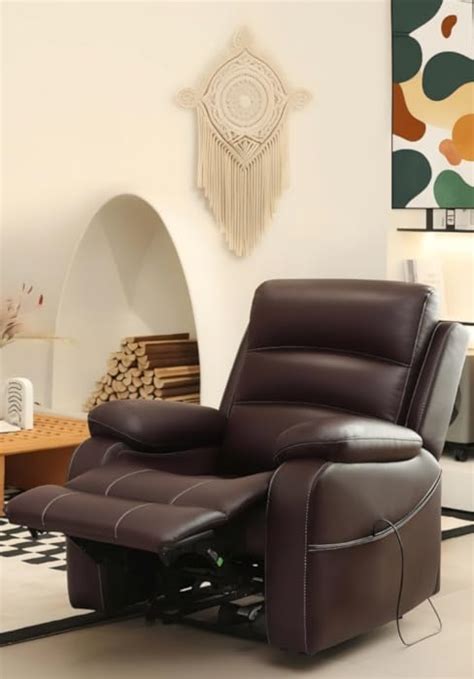
Living rooms endure heavy daily traffic, meaning your upholstery choice must withstand pets, kids, snacks, and frequent lounging. Leather and high-performance synthetic fabrics like microfiber or solution-dyed acrylics lead the market in durability and ease of maintenance. Top-grain leather ages gracefully, developing a rich patina over time while offering straightforward wipe-and-clean convenience for accidental spills.
If you prefer a softer, fabric-upholstered aesthetic, seek out performance weaves labeled with high double-rub counts, which measure fabric wear resistance. Many modern reclining sets feature stain-resistant treatments embedded directly into the fibers at the manufacturing level. Pairing these resilient textiles with high-density foam cushions ensures your seating retains its supportive bounce rather than sagging prematurely under daily use.
Balancing Budget and Long-Term Value in Furniture Investment
Purchasing reclining furniture represents a significant investment in your home’s comfort ecosystem, making it wise to weigh upfront costs against long-term durability. High-quality reclining mechanisms feature kiln-dried hardwood frames, steel reinforced reclining tracks, and pocket-coil seating systems that distribute weight evenly. While cheaper models might feature alluring price tags, inferior springs and particleboard frames often lead to squeaky mechanisms and failed motors within just a few years of regular family use.
When shopping, inspect the warranty offerings as a reliable indicator of manufacturer confidence. Reputable brands often back their internal frames and mechanisms with multi-year or lifetime limited warranties, giving you peace of mind. Prioritizing craftsmanship over temporary aesthetic trends ensures your living room remains a cozy, welcoming sanctuary for relaxation season after season.
Frequently Asked Questions
What are the best reclining furniture options for modern living rooms?
The best options depend heavily on your available space and household needs. Power-reclining sofas and sleek sectional configurations offer extensive seating for families, while modern accent recliners with slim track arms provide personalized comfort without overwhelming a smaller room.
How do I choose between power reclining and manual reclining?
Choose manual recliners if you want straightforward operation, independence from electrical outlets, and traditional mechanical simplicity. Choose power recliners if you value infinite, customizable reclining angles, independent headrest adjustments, and effortless operation at the touch of a button.
Will a recliner ruin the aesthetic of my living room?
Not anymore. Modern reclining furniture is specifically designed with tailored lines, concealed mechanisms, and upscale upholstery that mirrors high-end stationary furniture. Selecting a streamlined silhouette and neutral color ensures it complements your overall decor seamlessly.
What materials are best for durability and ease of cleaning?
Top-grain leather and treated high-performance synthetic fabrics are the top choices for durability. They resist everyday wear, handle accidental spills easily, and maintain their structural appearance even with high daily traffic in busy family living rooms.


