Investing in a genuine leather sofa is one of the most transformative decisions you can make for an American living space. Unlike woven textiles that trap dust, absorb odors, and wear down quickly under heavy everyday use, a well-crafted leather couch develops a rich patina over time, telling the visual story of your household. Whether you are furnishing a sunlit open-concept suburban living room or maximizing the footprint of a compact urban apartment, leather introduces an immediate sense of grounded sophistication and tactile warmth.
However, navigating the furniture market requires a discerning eye. Misleading marketing terms like ‘bonded leather’ or ‘leather match’ often confuse buyers who simply want an authentic, long-lasting investment. Understanding the nuances of leather grades, frame construction, spatial scale, and climate adaptation ensures that your chosen sofa delivers both enduring aesthetic appeal and practical everyday comfort for years to come.
Decoding Leather Grades: Full-Grain, Top-Grain, and Beyond
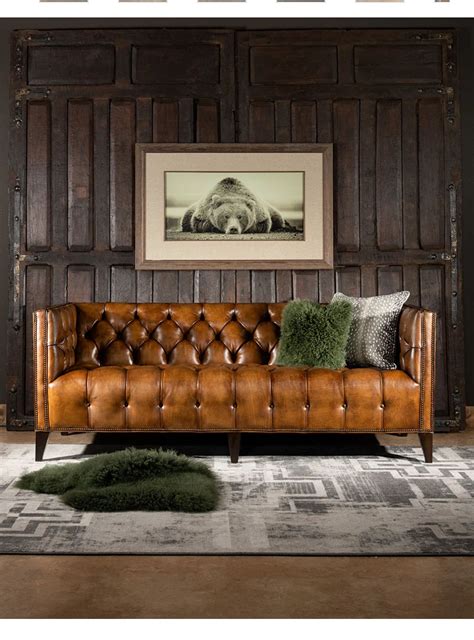
The terminology surrounding leather can feel opaque, but decoding the grading system is the single most important step in evaluating durability and value. Full-grain leather represents the outermost layer of the hide, retaining all of its natural texture, marks, and breathable qualities. Because it is unbuffed and unsanded, full-grain is the strongest and most durable option available, gradually softening and burnishing into a gorgeous heirloom piece that handles decades of daily sitting.
Top-grain leather is the next tier down, where the very top layer is lightly sanded to remove natural imperfections and treated with a uniform finish. This makes top-grain slightly more resistant to stains out of the box and gives it a consistent, tailored appearance favored in family-friendly suburban homes. By contrast, corrected-grain and split leathers undergo heavy mechanical processing, resulting in a less breathable surface that lacks the authentic suppleness and longevity of full-grain and top-grain alternatives.
Authenticity Check: Separating Genuine Leather from Faux and Bonded Alternatives
When shopping for genuine leather sofas, it is vital to know precisely what you are touching and buying. Genuine leather, strictly speaking, simply means the product is made from real animal hide, but in retail terms, it often refers to lower-grade split leather treated with an artificial coating. True high-end furniture relies on full-grain or top-grain construction, whereas budget alternatives frequently utilize bonded leather—a composite material made from leather scraps shredded and glued onto a paper or fiber backing.
Bonded and faux leathers tend to peel, crack, and delaminate within a few years of regular use, particularly in climate-controlled American homes subject to seasonal humidity swings. To verify authenticity in a showroom, inspect the cut edges, look for natural grain variations rather than repeating stamped patterns, and press your hand against the surface. Real leather responds to body heat, feels warm to the touch after a moment, and emits a distinct, earthy aroma rather than a sharp chemical scent.
Sizing and Scale for U.S. Apartments Versus Suburban Homes
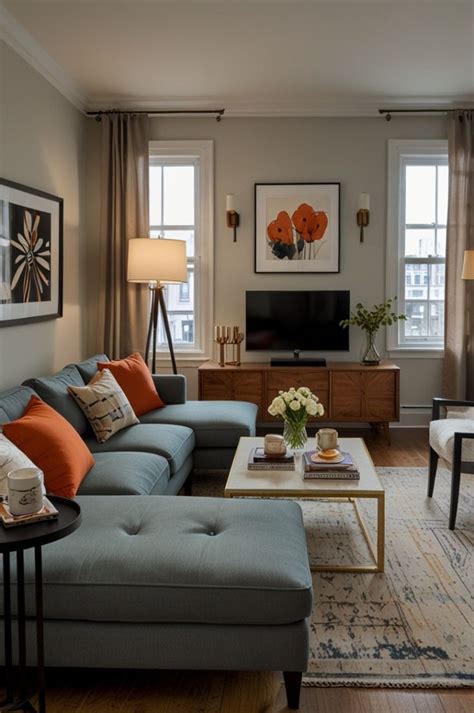
Spatial planning is critical when bringing a substantial piece of furniture into an American home, where floor plans range from narrow historic brownstone apartments to sprawling suburban great rooms. In a compact city apartment, a bulky, overstuffed leather sectional can instantly overwhelm the floor plan and block natural light flow. Instead, consider a streamlined apartment sofa with slender track arms and exposed wooden or metal legs, which creates visual breathing room beneath the piece and keeps the room feeling expansive.
Conversely, open-concept suburban layouts often require a larger anchor piece to define conversational zones within a cavernous room. A generous leather chesterfield or a modular L-shaped configuration fills large spaces comfortably without looking lost. Always measure your elevator doors, tight stairwells, and entry hallways before ordering; many high-end leather sofas feature sturdy, heavy hardwood frames that lack flexible give when maneuvering around sharp corner turns.
Climate Considerations and Daily Maintenance Across the United States
The regional climate of your U.S. home plays a surprisingly significant role in how your leather sofa ages and feels day-to-day. In dry southwestern climates, low humidity can cause unprotected leathers to dry out and eventually crack if conditioning routines are neglected. In humid southern states or coastal areas, conditioning is still vital to prevent moisture imbalances, while strategic placement away from direct afternoon sunlight prevents premature fading near expansive picture windows.
Maintaining a genuine leather sofa requires far less effort than deep-cleaning fabric upholstery, making it ideal for households with children or pets. Regular dusting with a soft microfiber cloth and occasional application of a specialized leather conditioner keeps the hide supple and water-resistant. Most accidental liquid spills can simply be wiped away with a damp cloth, though it is always wise to avoid harsh chemical detergents that strip away the hide’s natural protective oils.
Frequently Asked Questions
How can I tell if a leather sofa is truly genuine?
True genuine leather exhibits natural grain variations, pores, and occasional healed scars rather than a perfectly repeating artificial pattern. It feels cool initially but quickly warms to your body heat, and it smells organic rather than chemically or plasticky.
Which leather grade is best for families and pets?
Top-grain leather that has been lightly pigmented or finished is generally ideal for active households. It offers high durability while providing a protective surface barrier that resists minor stains and makes everyday spot-cleaning much easier.
What size leather sofa works best in a small apartment?
Look for apartment-sized sofas or loveseats featuring narrow track arms and raised legs. These design elements reduce the visual weight of the furniture and maximize floor space in compact urban rooms.
Is a genuine leather sofa worth the investment compared to fabric?
While genuine leather carries a higher upfront cost, its exceptional durability means it can last three to five times longer than standard fabric upholstery. It also resists allergens, pet hair, and odors far more effectively over time.


