When planning a family camping trip or seeking an innovative way to expand your backyard living space, traditional single-room dome tents often fall short on privacy and comfort. Enter the multi-room family tent, an architectural marvel in the outdoor gear market that mimics the layout of a small house. Featuring dedicated sleeping quarters, a central communal zone, and an open-air mesh entryway, a 3-bedroom tent with a living room and screened porch bridges the gap between rugged backcountry survival and domestic convenience. For American families looking to enjoy nature without sacrificing personal space, these oversized shelters transform how we experience the great outdoors.
Investing in a spacious layout fundamentally changes group dynamics on holiday. Instead of scrambling over sleeping bags and tripping across coolers in the dark, campers can establish clear zones for resting, changing clothes, and storing gear. This comprehensive overview examines the structural anatomy, practical benefits, trade-offs, and diverse applications of these large-scale shelters, helping you decide whether a multi-room setup fits your lifestyle and recreational goals.
Anatomy of a Multi-Room Shelter: Bedrooms Meet Living Spaces
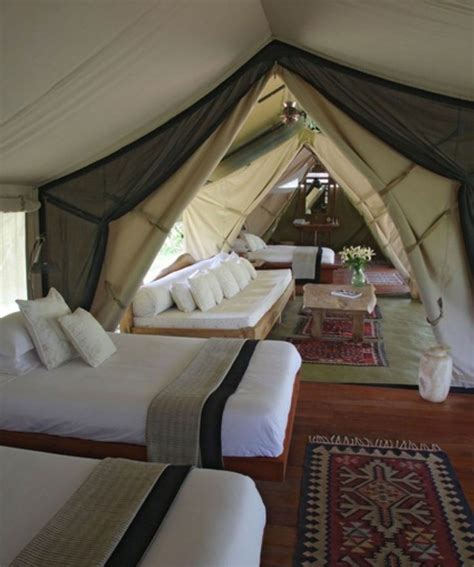
The defining characteristic of a 3-bedroom tent is its zoned floor plan, usually created using zippered fabric dividers that partition the interior into three distinct sleeping cabins. These separate rooms typically attach to a central common area that functions much like a living room in a traditional house. This layout allows parents to carve out a private master sleeping zone on one side while children or additional guests occupy the opposing rooms, all connected by a shared interior floor space where everyone can gather during inclement weather.
Having a central living room within your tent changes the entire camping routine. Instead of retreating directly to your sleeping bag when rain passes through, family members can sit on folding camp chairs, play board games, or organize equipment inside the dry communal core. Storage pockets built into the dividing walls keep flashlights, water bottles, and electronics off the floor, reducing clutter. This deliberate separation of living and sleeping zones promotes harmony during extended trips, especially when weather keeps everyone confined under canvas for hours at a time.
The Screened Porch Advantage: Bug-Free Relaxation Outdoors
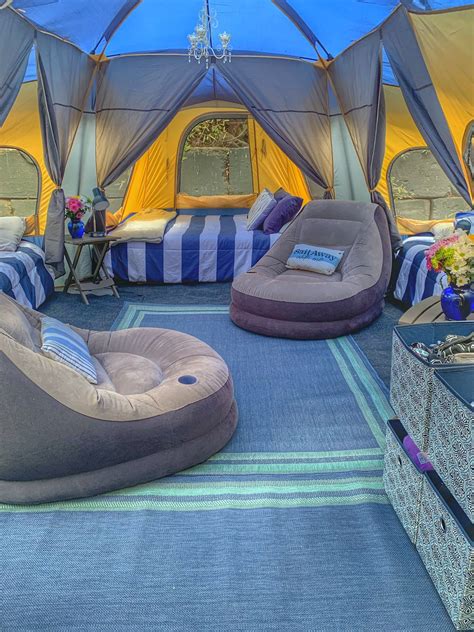
One of the most beloved features of modern family camping architecture is the integrated screened porch, sometimes referred to as a screen room or sunroom vestibule. Positioned at the front of the tent, this area features fine mesh walls that allow refreshing summer breezes to circulate freely while keeping mosquitoes, gnats, and flies safely on the outside. It creates a transitional threshold between the wild exterior and your private interior living room, serving as a clean buffer zone for muddy boots and damp outerwear.
The utility of a screened porch extends far beyond simple bug protection. It provides an ideal spot to relax with a morning cup of coffee while watching the sunrise, read a book in the shade during humid afternoons, or let pets lounge securely without wandering off the campsite. Because the flooring in these porches often varies—some models feature a fully sewn-in floor while others have a removable or drop-in mat—campers can choose configurations that best suit their preferences for managing dirt, sand, and morning dew.
Evaluating the Trade-Offs: Weight, Setup Time, and Packed Size
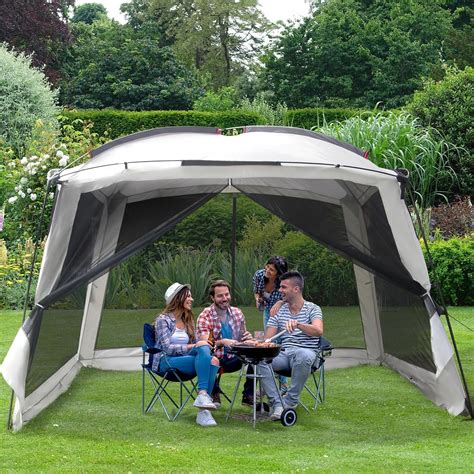
While the luxury and spatial division of a 3-bedroom tent with a living room and screened porch are undeniable, these benefits come with distinct physical trade-offs. Large family tents require substantial structural support, usually involving a combination of heavy-duty steel and fiberglass poles, robust canvas or polyester walls, and extensive guy-line networks. Consequently, the packed weight of these shelters can range from forty to over seventy pounds, requiring dedicated trunk space in your SUV or crossover vehicle.
Setup time is another critical consideration for weekend travelers. Unlike a pop-up dome tent that a single person can assemble in minutes, pitching a multi-room tent typically demands two adults, careful coordination, and twenty to forty minutes of active labor. Weather resistance also requires diligence; because of their high profile and large surface area, these tents demand proper staking and secure guy-line deployment to withstand sudden wind gusts common in American plains and coastal campgrounds. Understanding these logistical realities ensures you are fully prepared for the assembly process before arriving at your destination.
Beyond the Campsite: Alternative Uses for American Homes
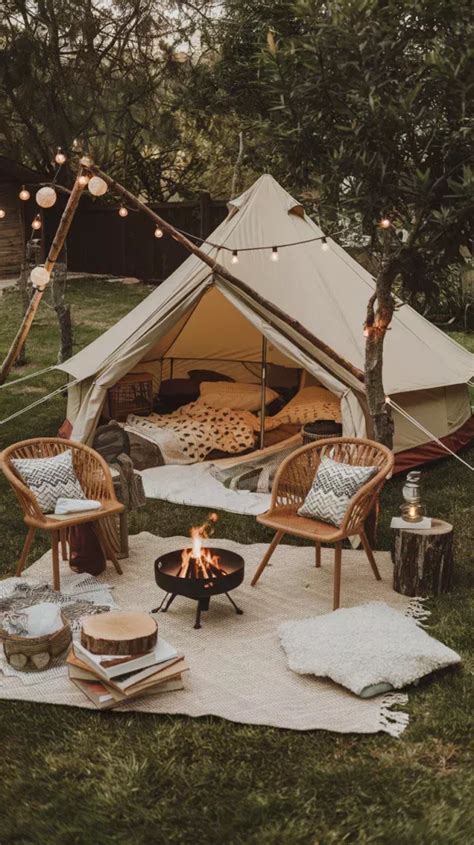
The versatility of a large multi-room tent extends well beyond traditional state park campgrounds and national forest sites. Many American homeowners purchase these structures for residential use, transforming their backyards into temporary guest suites during family reunions or holiday visits when indoor bedrooms reach full capacity. Setting up a tent with a living room and screened porch on a spacious lawn offers visiting relatives a comfortable, private retreat while keeping household disruption to a minimum.
Backyard glamping has also emerged as a popular lifestyle trend for families seeking staycation adventures. By outfitting the living area with plush outdoor rugs, string lights, and comfortable air mattresses, parents can create an immersive weekend camping experience for children just steps away from indoor plumbing and kitchen facilities. Similarly, sports enthusiasts frequently utilize these large footprints for tailgating events, setting up a shaded hub for pre-game socializing, dining, and relaxing before kickoff.
Frequently Asked Questions
What makes a 3-bedroom tent with a living room and screened porch different from standard tents?
Unlike standard single-room dome tents, multi-room tents use internal partition walls to create three distinct sleeping cabins alongside a central living space and an exterior screened porch. This architecture provides superior privacy, organized storage, and dedicated communal areas for relaxing or escaping bad weather.
How easy is it to set up a large multi-room tent?
Setting up a multi-room family tent requires more time and effort than a basic tent. Due to the complex pole structure and large fabric footprint, it is typically a two-person job that takes between thirty to forty-five minutes. Following the manufacturer’s color-coded instructions makes the process significantly smoother.
Is a screened porch effective against bugs and rain?
The fine mesh walls of a screened porch provide excellent protection against mosquitoes, flies, and other insects while maintaining airflow. However, porch roofs and mesh walls are primarily designed for shade and ventilation rather than heavy storm protection, though many models feature water-resistant awnings overhead.
Who benefits most from investing in a multi-room tent setup?
Families with children, group campers who value personal privacy, and homeowners looking for backyard glamping solutions benefit most from these tents. They are especially valuable for extended camping trips where bad weather might otherwise force everyone into cramped quarters.


