Expanding your home’s square footage does not always require a costly renovation or a permanent architectural addition. For homeowners and renters alike, turning the backyard into an immersive living space has become an inspiring way to entertain, host visiting family, or enjoy a weekend staycation. By utilizing a spacious three-room tent featuring a central cozy living area, you can create a dedicated outdoor guest suite that comfortably accommodates up to nine individuals while maintaining a polished, stylish aesthetic.
This approach bridges the gap between traditional outdoor camping and interior design. Instead of viewing a large multi-room tent merely as temporary gear for national parks, savvy decorators treat it as a flexible, fabric-walled pavilion. When thoughtfully styled with rugs, lighting, and intentional zoning, a heavy-duty family tent transforms into a charming extension of your indoor living room, right beneath the open sky.
The Appeal of Multi-Room Tents for Backyard Living
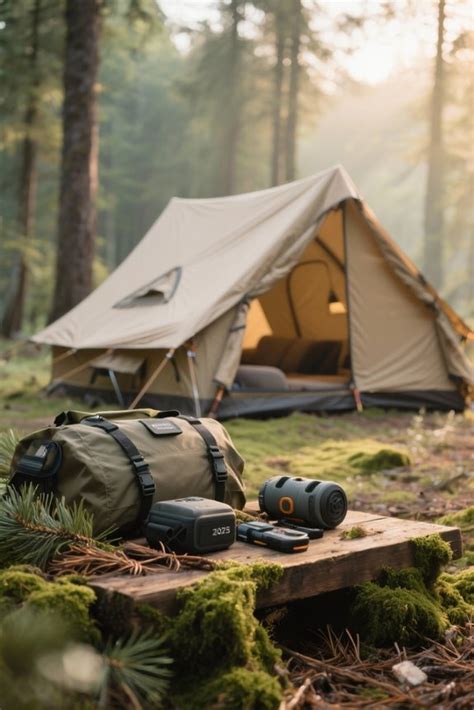
Choosing a three-room tent for your backyard brings structural versatility that single-compartment dome tents simply cannot match. Traditional tents force all occupants into a single shared space, which quickly feels cluttered when hosting larger groups or families with children. Multi-room models introduce interior divider walls or curtains, allowing you to establish distinct functional zones for sleeping, lounging, and storing luggage.
For a household planning frequent backyard gatherings, this separation of space provides crucial privacy and comfort. Adults can relax in one sleeping wing while kids occupy another, leaving the central core open for daytime socializing. This layout mirrors the floor plan of a conventional house, making guests feel immediately at ease rather than displaced by cramped quarters.
Layout Ideas: Balancing Sleeping Quarters and the Central Living Area
Designing a functional floor plan inside a nine-person tent requires careful consideration of human traffic flow and furniture scale. The central room should ideally serve as your anchor space—a cozy living area that connects the two private sleeping quarters on either side. Keep the center clear of bulky sleeping gear so that guests have ample room to walk, chat, and transition between indoor and outdoor zones.
In the outer two rooms, arrange air mattresses or folding camp cots along the perimeter walls to maximize floor space. Instead of crowding nine people into a single room, distributing them across two private wings ensures everyone enjoys a personal nook. Use the remaining vertical wall pockets for small personal items, keeping the floor free of tripping hazards during nighttime movements.
Styling Your Tent Living Area for Ultimate Coziness
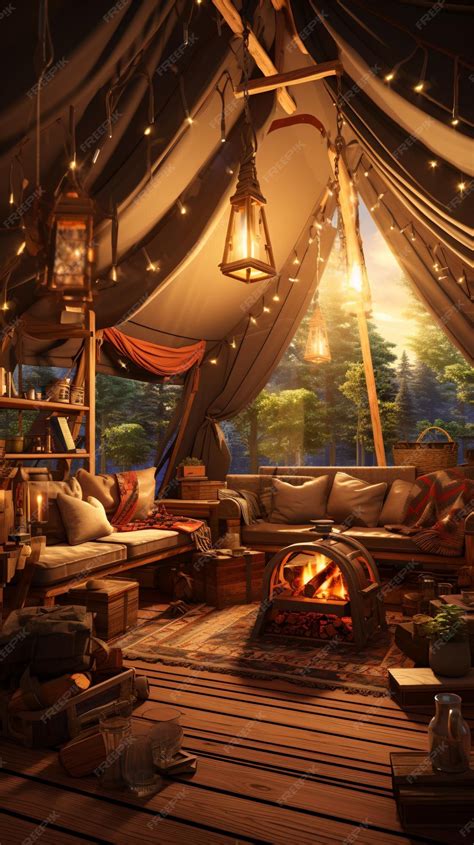
To prevent your backyard setup from feeling purely utilitarian, incorporate interior design principles typically reserved for indoor rooms. Layering textiles is the fastest way to add warmth and tactile richness to a canvas or nylon floor. Start with a large, durable outdoor area rug as your base to insulate against cool grass and anchor your seating arrangement.
Introduce low-profile seating options such as floor cushions, poufs, or folding wicker loungers around a small central utility table. Soften the corners with weather-resistant throw blankets and patterned pillows that reflect your home’s interior palette. Battery-operated table lamps, string lights woven along the ceiling poles, and flameless pillar candles create a warm ambient glow once the sun goes down.
Logistics and Entertainment for Hosting Up to 9 Guests
Accommodating nine guests in a backyard tent environment requires thoughtful planning around comfort, accessibility, and hospitality. While manufacturers often rate large family tents for up to nine occupants, factoring in luggage, movement, and personal space means prioritizing smart storage. Provide designated canvas bins near the entrance where guests can stow shoes, jackets, and bags to keep the living areas clutter-free.
Keep entertainment casual and grounded in the outdoor experience. Set up a charging station using a heavy-duty outdoor power bank safely routed into the tent for phones and small devices. Board games, a portable Bluetooth speaker, and a cooler stocked with beverages in the central living area encourage guests to gather, converse, and enjoy the backyard atmosphere well into the evening.
Setup, Maintenance, and Weatherproofing Essentials
Establishing a semi-permanent backyard tent requires attention to structural stability and long-term material care. Choose a flat, well-draining section of your lawn, and lay down a heavy-duty footprint tarp underneath the tent floor to prevent moisture seepage and ground wear. Secure all guy lines and stakes firmly into the ground to withstand sudden wind gusts, especially if the tent remains standing for multiple days.
Proper ventilation is another vital component of maintenance, particularly when hosting large groups. Keep mesh windows unzipped during dry days to encourage airflow and minimize condensation buildup on interior walls. When the gathering concludes, ensure the tent is completely dry before packing it down to prevent mold, keeping your outdoor suite ready for the next seasonal staycation.
Frequently Asked Questions
Can a three-room tent comfortably fit 9 people?
Yes, a nine-person three-room tent can accommodate that many individuals, but comfort largely depends on your sleeping arrangements. Distributing guests across the two outer rooms using cots or air mattresses works best, while keeping the middle room open for daytime socializing.
How do I make a backyard tent feel cozy instead of utilitarian?
Layering textures is key. Add outdoor area rugs, floor cushions, weather-resistant throw blankets, and warm ambient lighting like battery-operated string lights or lanterns to replicate the comforts of an indoor living room.
Is it safe to leave a large multi-room tent set up in the backyard long-term?
You can leave a high-quality tent up for extended weekends or seasonal stretches, provided it is properly staked down against wind. However, you should monitor weather forecasts for heavy storms and ensure the fabric stays dry to prevent mildew.
How do I run electricity into a backyard tent for guests?
Use a weather-resistant, heavy-duty outdoor extension cord connected to a GFCI outlet near your home. Route it safely into the tent’s designated electrical port, and plug in a protected power strip for charging phones or powering lamps.


