Finding furniture that bridges the gap between everyday practicality and sophisticated design can often feel like a balancing act, particularly in contemporary American living rooms. Whether you are settling into a suburban open-concept layout or refining a compact urban apartment, managing clutter without compromising your visual aesthetic is a constant priority. A modern wooden storage console table offers an exceptional solution, functioning as a versatile anchor that conceals household items while elevating the room’s character.
By understanding how to select the right wood tones, dimensions, and storage configurations, you can transform an empty wall into a purposeful and stunning design focal point. This guide explores everything you need to know about integrating these timeless yet contemporary pieces into your home, ensuring your living space remains both organized and deeply inviting.
Defining the Modern Wooden Console Table Aesthetic
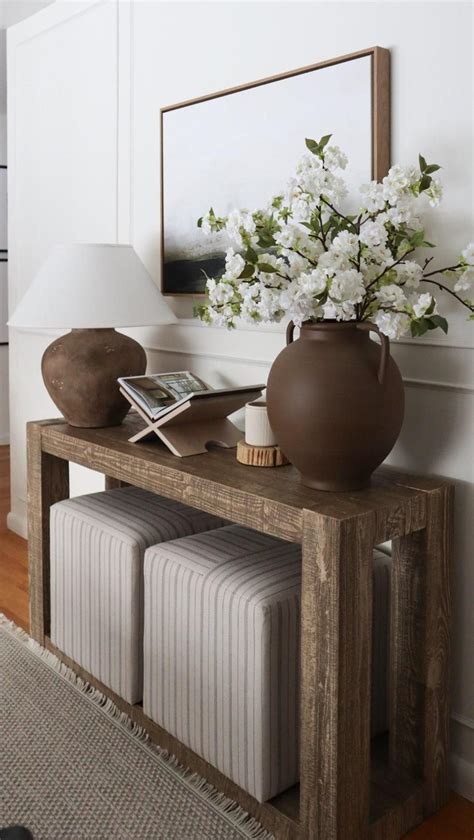
The modern aesthetic avoids heavy ornamentation in favor of clean lines, honest materials, and functional simplicity. When applied to wooden console tables, this philosophy translates into pieces that celebrate the natural grain of the timber while incorporating geometric silhouettes, tapered legs, or minimalist hardware. Rather than feeling dated or overly rustic, today’s modern wooden consoles blend seamlessly into contemporary environments.
Choosing a piece with subtle architectural details—such as slatted cabinet doors, fluted drawer fronts, or waterfall edges—adds visual texture without overwhelming the room. These design elements catch natural light differently throughout the day, bringing warmth and organic depth to neutral walls or minimalist color palettes common in modern U.S. homes.
Balancing Hidden Storage with Open Display
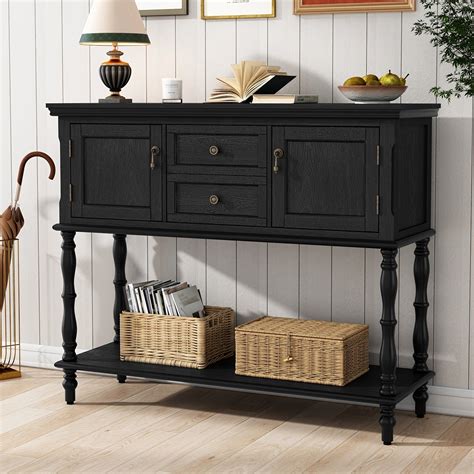
One of the most important decisions when selecting a storage console table is determining the ideal ratio of closed cabinetry to open shelving. If your living room tends to accumulate remote controls, chargers, mail, and miscellaneous odds and ends, prioritizing closed doors or deep drawers is essential for maintaining a serene environment. Solid wood or reed-glass cabinets keep visual clutter entirely out of sight.
Conversely, open shelving sections allow you to showcase curated items such as art books, ceramic sculptures, or small decorative boxes. A hybrid design—featuring a mix of drawers and an open lower shelf—provides the best of both worlds. It gives you a designated spot to tuck away everyday necessities while leaving room to breathe with intentional, minimalist styling on the display tier.
Sizing and Placement for U.S. Living Room Layouts
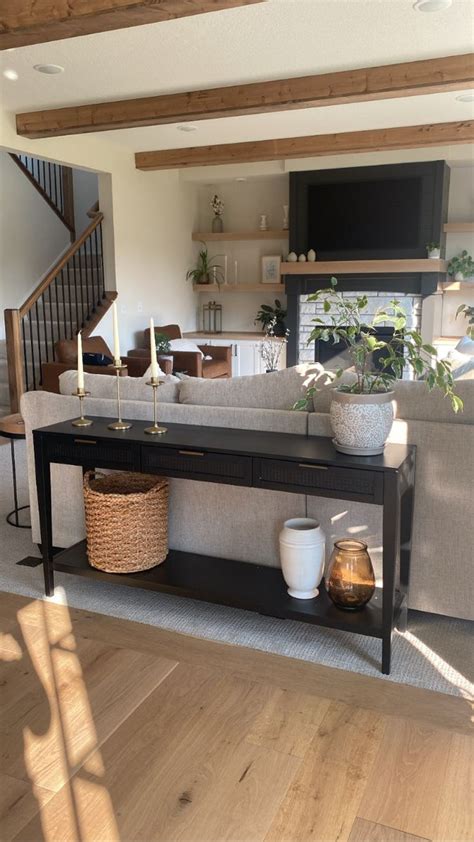
Proportion is critical when placing a console table in a typical American living room. Standard wall spaces behind a sofa or along a main accent wall usually call for a console ranging between 48 to 65 inches in width, depending on your room’s overall scale. Measuring your clearance zones is vital; ensure there is at least 30 to 36 inches of walking path remaining if the console sits in a high-traffic zone or hallway.
Placement options extend far beyond the traditional spot beneath a wall-mounted television. Placing a slender wooden console directly behind a floating sofa creates a natural room divider in open-concept floor plans. Alternatively, positioning the table against an entryway wall immediately establishes an organized drop zone the moment you walk through the front door, setting a polished tone for the rest of the house.
Material and Finish Pairings
The type of wood and finish you select will heavily influence the mood of your living room. Rich, dark American walnut delivers a mid-century modern gravitas and pairs beautifully with warm brass hardware and jewel-toned upholstery. Lighter white oak or ash woods impart an airy, Scandinavian-inspired brightness that suits smaller spaces with abundant natural light.
When evaluating construction, look closely at how the wood is finished and whether the piece utilizes solid timber or high-grade veneers. Solid wood offers unmatched longevity and the ability to refinish over time, while quality veneers often provide stability against humidity fluctuations in various U.S. climate zones. Pairing your wood console with complementary metal accents, such as matte black iron or brushed nickel, helps tie existing lighting fixtures and hardware together.
Styling Your Console Table: From TV Stand to Entryway Accent
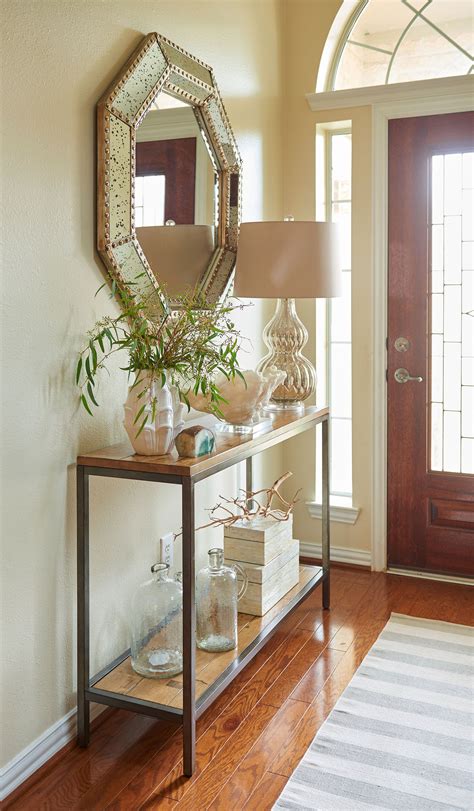
Once your wooden console table is in place, styling it requires a thoughtful composition of height, texture, and negative space. If the table serves as a media console beneath a TV, keep surrounding decor understated to prevent a cluttered look. A pair of low-profile ceramic vases, a stack of horizontal art books, or a trailing green plant can soften the hard lines of electronics.
For a purely decorative or entryway console, anchor the vertical space above the table with a large arched mirror or a piece of statement artwork. Layer objects using the rule of threes, combining a tall element (like a table lamp or branch arrangement), a medium element (like a framed photograph), and a low grounding tray for keys or small accessories. This creates a balanced vignette that feels collected rather than staged.
Frequently Asked Questions
How do I choose between open shelving and closed cabinet storage for a living room console?
Assess what you plan to store. If you need to hide electronics, cords, toys, or everyday clutter, closed cabinets or drawers are essential. If you want to display books, decorative ceramics, and baskets, a console with open shelving or a hybrid mix works best.
What wood tones work best with modern interior design trends in the U.S.?
Light white oak and ash are favored for bright, minimalist, and Scandinavian-inspired spaces. Warm walnut is ideal for mid-century modern aesthetics and rooms with rich leather or earthy textiles, while darker ebonized woods add dramatic contrast to neutral walls.
How do I style a console table beneath a wall-mounted TV or large mirror?
Keep styling minimal when positioned under a TV to avoid visual competition; use low-profile trays and simple objects. When placed beneath a mirror or art piece, build a balanced composition using varying heights, such as a tall lamp paired with shorter stacked books and a decorative bowl.
What dimensions should I look for to fit standard U.S. living room wall spaces?
Most standard living room accent walls accommodate consoles between 48 and 65 inches long. Ensure the depth (typically 12 to 18 inches) leaves ample clearance for safe foot traffic and does not obstruct nearby seating or doorways.
How can a wooden console table anchor a room’s overall color palette?
A wooden console introduces natural texture and organic warmth. By matching the undertones of the wood—whether warm golden hues or cool gray-browns—to your flooring, coffee table, or trim, you create a cohesive foundation that ties disparate wall colors and soft furnishings together.


