When transitioning from traditional carpeting or hardwood to tile flooring in an American living room, gray tiles offer an exceptionally versatile foundation. Far from feeling industrial or sterile, a carefully chosen gray floor establishes an atmosphere of modern elegance that adapts seamlessly to various architectural layouts, from open-concept suburban ranches to urban high-rise apartments. Achieving a sophisticated aesthetic requires thoughtful planning around natural light, room scale, and tactile contrasts. Because gray spans a broad spectrum from cool silver to deep charcoal, understanding how to select and style these surfaces ensures your living space remains welcoming and visually engaging year-round.
Choosing the Right Shade of Gray for Your Living Space

Selecting the correct shade of gray depends heavily on the existing natural light and square footage of your living area. Lighter gray tiles reflect incoming sunlight, making smaller or north-facing rooms feel more open, airy, and expansive without overwhelming the overall spatial balance. When light bounces off pale silver or soft dove-gray surfaces, architectural boundaries appear to recede, which is especially beneficial in compact suburban homes or urban townhouses where maximizing perceived square footage is a priority.
Conversely, deeper charcoal or slate tones anchor grand, open-concept spaces by defining distinct seating zones within a larger expanse. However, dark floors demand careful consideration of artificial lighting and wall colors to prevent the room from feeling heavy or enclosed during evening hours. Pairing dark gray tiles with layered overhead lighting, warm wall sconces, and strategic floor lamps ensures that the dramatic visual weight of the floor is balanced by a welcoming, illuminated atmosphere.
Balancing Cool Undertones and Warm Elements
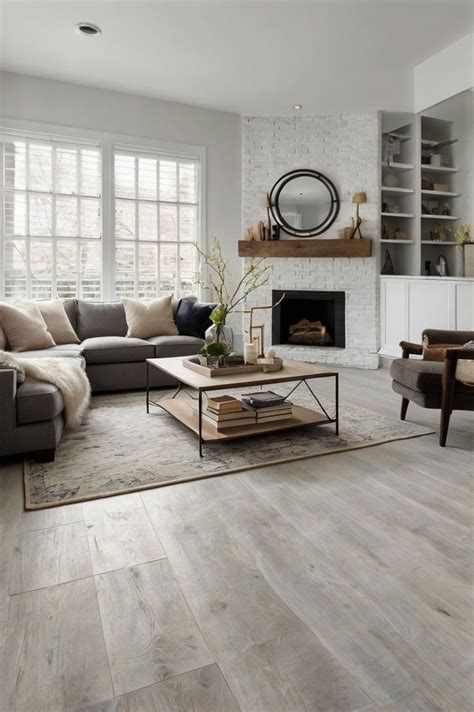
Cool gray tiles often feature subtle blue or green undertones that look crisp and contemporary, but they risk feeling stark if paired entirely with minimalist white walls and glass furniture. To counteract this potential chill, introduce warm wood accents, such as a walnut coffee table, a rich oak media console, or reclaimed timber ceiling beams, to establish a harmonious visual equilibrium that grounds the entire space.
Incorporating layered textiles like a plush wool area rug, chunky knit throws, or textured boucle armchairs softens the hard architectural surface of the tile. These organic additions bridge the gap between structural coldness and domestic coziness, ensuring the room remains inviting and comfortable for daily family relaxation.
Selecting Textures, Finishes, and Grout for Everyday Living
The finish of your living room tile fundamentally influences both the room’s safety and its overall tactile experience. Polished porcelain or marble-look gray tiles offer high-end glamour and reflect light beautifully, yet they can become slippery when wet and tend to highlight everyday dust and footprints quickly. For high-traffic family spaces, matte or textured finishes provide a safer, more practical alternative while offering a sophisticated, understated charm.
Beyond the tile itself, grout selection plays a pivotal role in the final aesthetic. Choosing a matching grout color creates a seamless, monolithic slab look that maximizes visual continuity, whereas a contrasting grout highlights individual tile geometry for a more traditional or graphic grid pattern. Maintenance also dictates your choice; epoxy or stain-resistant grouts reduce upkeep demands in busy areas where spills and heavy foot traffic are routine occurrences.
Furniture and Decor Pairings That Complement Gray Floors
Gray tile acts as a neutral canvas, allowing your furniture and decorative accents to take center stage without visual competition. Sofas upholstered in warm neutrals like cream, beige, or camel leather stand out beautifully against gray flooring, introducing a much-needed layer of warmth to the room’s color palette. Furthermore, incorporating rich earth tones through throw pillows and drapery anchors the cool foundation of the floor.
Metallic accents, particularly brushed brass, matte black hardware, or warm bronze, elevate the sophisticated aesthetic of a gray-themed living room. These metals break up monochromatic schemes and add a curated, designer touch that feels intentional and well-balanced. When paired with verdant indoor houseplants, the natural green foliage pops vividly against the neutral gray background, bringing organic life and vibrant energy indoors.
Frequently Asked Questions
How do I prevent a gray tile living room from feeling cold?
You can warm up a gray tile floor by layering thick, textured area rugs, incorporating wood furniture, and using warm lighting bulbs ranging from 2700K to 3000K. Textiles, organic materials, and warm wood tones naturally offset the cool temperature of tile surfaces.
What furniture styles pair best with gray living room tile?
Gray tiles complement mid-century modern, transitional, and contemporary furniture styles effortlessly. Pairing the floors with warm leather sofas, wood-framed seating, and textured fabrics creates a balanced, layered, and inviting environment.
Are gray tiles suitable for open-concept American living spaces?
Yes, gray tiles are ideal for open-concept layouts because they create a continuous, unified visual flow from the entryway through the living and dining areas, while also offering exceptional durability against heavy daily foot traffic.


