Finding the right sofa or couch for a U.S. living room involves much more than simply picking a color or style that catches your eye in a showroom or online catalog. Because the living room typically anchors the entire home, this piece of furniture must balance everyday comfort with spatial geometry and household practicality. Whether you are furnishing a compact urban apartment or a spacious suburban open-concept great room, a methodical selection process prevents costly sizing mistakes and long-term buyer’s remorse.
Successful furniture shopping starts with an honest evaluation of your household dynamics, traffic flow, and architectural constraints. By breaking the decision down into clear phases—ranging from precise tape-measure geometry to internal frame construction—you can filter out options that look appealing on paper but fail to perform under daily use. This guide explores the foundational criteria needed to secure a lasting, comfortable centerpiece for your home.
Mastering Room Dimensions and Architectural Clearances
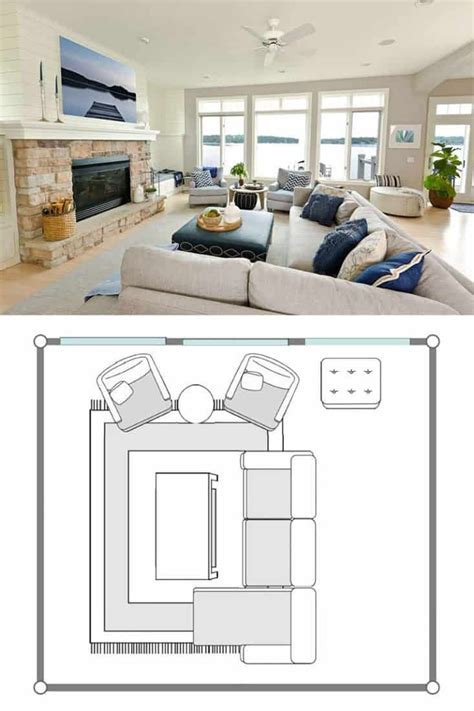
Before browsing styles or fabrics, you must map the physical boundaries of your living space. One of the most common regrets homeowners face is purchasing a sofa that overwhelms a modest room or, conversely, looks completely lost in a large open layout. Start by using painter’s tape on your floor to outline the prospective footprint of the couch, leaving at least 30 to 36 inches of clear walking space around primary pathways to ensure natural room circulation.
Just as important as floor space are the architectural pinch points along the delivery route. Many standard U.S. apartment buildings, historic homes, and suburban townhouses feature narrow entryways, tight stairwells, or sharp hallway turns that can trap a rigid sofa frame. Measure your front door height and width, elevator dimensions if applicable, and any hallway clearance corners before finalizing your purchase, ensuring the sofa either fits through these thresholds or features removable legs and low-profile dimensions.
Selecting the Right Silhouette: Sectionals vs. Standard Sofas
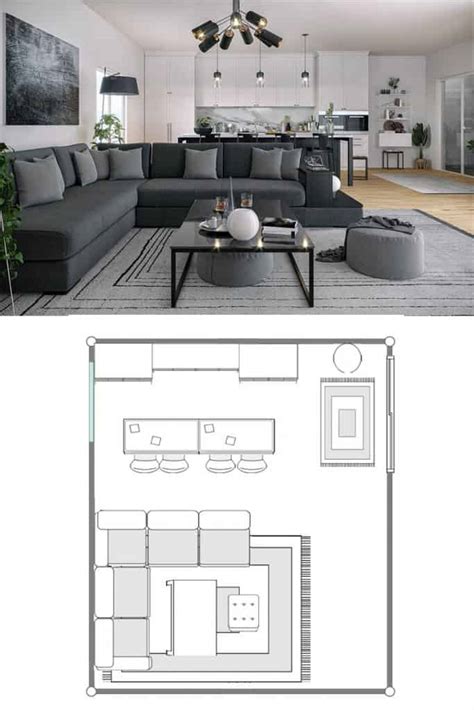
Choosing between a traditional three-cushion sofa, a cozy loveseat, or an expansive sectional depends heavily on how your household uses the room. Standard sofas offer timeless versatility and are easy to reposition if you decide to rearrange your furniture layout later. They work exceptionally well in formal living rooms or compact apartments where maintaining an open, airy sightline is essential for making the space feel larger.
On the other hand, sectional sofas maximize seating capacity and provide an inviting lounge space ideal for family movie nights in casual U.S. family rooms. However, sectionals commit you to a specific corner or configuration, making them harder to adapt if you relocate to a new home. When selecting a sectional, always verify whether it features a universal reversible chaise or a fixed left- or right-hand return that must match your specific wall layout.
Evaluating Uphostery Fabrics for Durability and Lifestyle
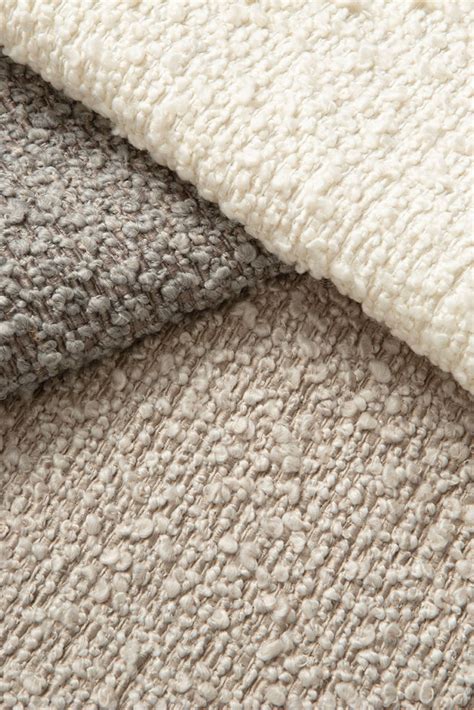
Your choice of fabric dictates both the aesthetic mood of the room and how much maintenance the piece will require over the years. Households with young children, cats, or dogs need to prioritize performance textiles such as tightly woven synthetic microfibers, heavy-duty canvas blends, or high-grade leather. These materials resist snagging from claws, repel liquid spills effectively, and can withstand frequent cleaning without losing their original color integrity or soft hand-feel.
Conversely, delicate natural fibers like untreated linen, velvet with a high pile, or pure silk bring an undeniable layer of luxury and sophisticated texture to adult-only formal sitting areas. However, these textiles demand specialized professional cleaning and show wear much faster in high-traffic zones. Always request physical fabric swatches from online retailers to examine how the material responds to natural sunlight and everyday friction in your specific home environment before committing.
Inspecting Frame Construction and Cushion Support
A beautiful exterior means very little if the internal skeleton of the sofa begins to warp, squeak, or sag after only a few months of daily sitting. High-quality couches feature frames constructed from kiln-dried hardwood, such as oak, maple, or birch, joined together with reinforced corner blocks, dowels, and heavy-duty staples or screws. Avoid frames made primarily from unreinforced particleboard or soft pine, as these materials tend to loosen and fracture under normal household stress.
Beneath the cushions, pay close attention to the suspension system. Eight-way hand-tied springs or sinuous steel no-sag coils offer superior bounce, resilience, and weight distribution compared to cheap elastic webbing. When evaluating cushion fill, look for high-resiliency foam wrapped in down-proof ticking or feather-fiber blends. High-density foam maintains its supportive loft over the years, whereas low-density foam degrades quickly, leading to permanent body impressions and uncomfortable sagging.
Navigating Delivery Logistics and Warranty Protections
The final hurdle in purchasing a new sofa involves understanding shipping logistics, threshold delivery options, and manufacturer warranties. Many online-only brands ship couches compressed in compact boxes for easy apartment maneuvering, requiring you to assemble parts or let cushions expand over 48 hours. Traditional furniture stores often provide white-glove delivery, meaning professional teams carry the piece into your living room, assemble it completely, and haul away all protective packaging materials.
Before finalizing your transaction, carefully review the retailer’s return policy and structural warranty terms. Reputable furniture manufacturers typically offer a multi-year or lifetime warranty covering frame defects and spring failure, while foam cushions and fabric upholstery usually carry a more limited one-to-three-year protection window. Knowing these policies in advance ensures you have recourse if unexpected manufacturing flaws appear after the couch is placed in your home.
Frequently Asked Questions
How do I know if a sofa will fit through my apartment doorway?
Always measure the diagonal depth and height of your entryway, hallways, and elevator doors. Compare these dimensions to the sofa’s height and depth with its legs removed. Many modern sofas are designed with removable wooden or metal legs to shave off crucial inches during tight hallway navigation.
What is the best sofa fabric for households with pets?
Tightly woven synthetic fabrics like performance polyester, microfiber, and heavy-duty leather are exceptionally pet-friendly. They resist cat claws because there are no loose threads to snag, and they can be wiped clean of fur and minor muddy paw prints with mild soap and water.
Are sectional sofas worth the investment for small spaces?
Sectionals can work wonderfully in small spaces if chosen in a compact, apartment-sized scale with low backs and exposed legs, which keep sightlines open. However, make sure you measure your walls carefully so the sectional does not block heating vents, doorways, or side tables.
How can I test cushion quality before buying online?
Look closely at the technical specifications listed in the product description. Seek out high-resiliency polyurethane foam cores with a density rating of at least 1.8 to 2.5 pounds per cubic foot, often wrapped in down or synthetic fibers for a plush seating experience.


