Selecting a new sofa is one of the most significant furniture investments you will make for your living space. Whether you are settling into a newly purchased suburban home or leasing a downtown high-rise apartment, the couch serves as the functional anchor of your daily life. However, the decision-making process involves much more than simply picking a color or pattern that matches your current wall paint. American living spaces present unique architectural challenges, ranging from narrow historic brownstone stairwells to open-concept suburban layouts that require careful zoning.
Furthermore, your housing status heavily dictates the type of sofa you should prioritize. Renters often need to balance portability, modularity, and apartment-friendly dimensions to ensure the piece can easily transition to their next address. On the other hand, homeowners usually look for long-term structural durability and timeless upholstery that can withstand years of heavy everyday use. By evaluating your spatial constraints, construction quality, and lifestyle needs upfront, you can avoid costly delivery mistakes and find a centerpiece that brings lasting comfort.
Navigating Spatial Constraints and Architectural Hurdles
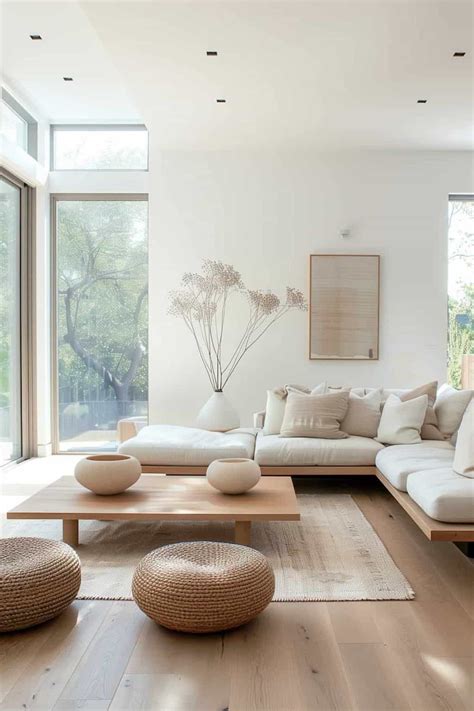
Before browsing styles or sitting down on showroom models, you must thoroughly map out the physical dimensions of your living room and every entry point along the delivery path. One of the most common pitfalls for U.S. consumers is failing to account for architectural bottlenecks such as tight apartment elevators, sharp hallway corners, and narrow exterior doorframes. Measuring your available floor space with painter’s tape gives you a visual boundary of how deeply the sofa will extend into the room, ensuring you leave enough clearance for foot traffic, media consoles, and coffee tables.
When measuring doorways, always measure the diagonal clearance if the sofa cannot pass through horizontally. You should also note the height of your ceilings and the placement of any permanent radiators or wall vents that might restrict a large sectional configuration. Modular sofas and sectionals with reversible chaises offer incredible versatility for awkward layouts, allowing you to reconfigure the layout when you move or rearrange your room. Taking these preliminary measurements seriously saves you from the frustration of a delivery crew turning away at your threshold.
Renter Versus Homeowner: Aligning Your Living Situation with Your Purchase
Your current housing stability plays a critical role in determining whether you should invest in a heavy, heirloom-quality stationary sofa or a flexible, modular system. Renters frequently face the prospect of relocating every few years, meaning a massive, rigid piece of furniture might become an expensive logistical nightmare during a move. Modular sectionals, apartment sofas with removable legs, and lightweight loveseats provide the ideal combination of comfort and portability for those living in leased properties.
Homeowners, conversely, can view a sofa as a long-term anchor piece that will stay in the same room for a decade or more. This permanence justifies investing in higher-end kiln-dried hardwood frames, eight-way hand-tied suspensions, and custom performance fabrics designed to weather decades of family life. While upfront costs are higher, the lower replacement frequency yields better long-term value. Understanding whether your sofa needs to travel with you in the near future helps you strike the right balance between short-term adaptability and long-term durability.
Evaluating Internal Construction: Frames, Joints, and Suspension

The true test of a sofa’s lifespan lies hidden beneath the upholstery and cushions. When shopping for furniture, always inspect the frame construction details provided by the manufacturer or retailer. High-quality frames are constructed from kiln-dried hardwood, such as oak, ash, or beech, which resists warping and cracking over time. Avoid frames made entirely of particle board, soft plywood, or plastic, as these materials struggle to support everyday weight and typically fail at the joints within a couple of years.
Beyond the frame material, pay close attention to how the joints are assembled. Look for reinforced corner blocks that are glued and screwed rather than simply stapled together. Suspension systems also dictate how supportive the seat feels over time; sinuous steel springs are common and reliable, while traditional eight-way hand-tied coils offer exceptional bounce and weight distribution for high-end investment pieces. Ensuring structural integrity before purchase guarantees your sofa will not sag prematurely.
Selecting Upholstery and Cushion Fillings for Real Life
Your lifestyle—specifically whether you share your home with pets, children, or frequent guests—should dictate your choice of fabric and cushion filling. Performance fabrics like solution-dyed acrylics, tightly woven polyester blends, and treated velvets offer remarkable stain resistance and cleanability without sacrificing a soft hand-feel. If you have cats or dogs, tightly woven fabrics or genuine top-grain leathers are far less prone to snagging from claws compared to loose-weave linen or textured tweed.
Cushion fillings equally impact your daily comfort and maintenance routine. High-resilience polyurethane foam wrapped in down-proof ticking provides a supportive seat that bounces back after use, requiring minimal fluffing. Pure down or feather fillings offer a luxurious, plush sink-in feel, but they demand regular plumping to maintain their shape. For most households, a high-density foam core layered with a softer fiber or feather wrap delivers the ideal sweet spot between ergonomic support and cozy relaxation.
Frequently Asked Questions
How do I measure my U.S. apartment or home to ensure a sofa will fit through the door?
Start by measuring the height and width of your exterior entryway, interior doorways, hallway turns, and elevator doors if applicable. Measure the sofa’s diagonal depth by running a tape measure from the top rear corner of the frame to the bottom front foot. If this diagonal measurement is smaller than your doorframe height, the sofa can typically be maneuvered through by tilting it on its side.
What is the main difference between a sofa for a renter versus a homeowner?
Renters benefit most from modular designs, apartment-sized sofas, and lighter frames that are easy to disassemble and transport during periodic moves. Homeowners can focus on long-term investment pieces, larger stationary sectionals, and premium construction materials since the furniture is designed to stay in one primary location for many years.
Which sofa fabrics are best for homes with pets and children?
Solution-dyed performance fabrics, heavy-duty polyester blends, and corrected-grain leathers are top choices for pet owners and families. These materials resist stains, repel moisture, withstand aggressive cleaning, and resist claw snags much better than delicate natural fibers like untreated linen or silk.
How can I check if a sofa frame is well-built?
Look for framing made from kiln-dried hardwood rather than soft pine or particle board. Check that the joints are reinforced with glued and screwed corner blocks. You can also test the frame stability by lifting one front corner of the sofa off the floor; if the opposite leg lifts almost immediately without significant frame twist, the structure is solid.


