When it comes to anchoring a living space, few furniture choices offer the same combination of sprawling comfort and architectural presence as a well-chosen sectional. In American homes, where the living room often functions as a media center, a reading nook, a playground, and a hosting hub all at once, sectional living room sets provide the versatile seating capacity required for modern life. Yet, selecting the right piece involves far more than simply picking a color you like from a catalog.
Balancing scale, layout dynamics, fabric durability, and personal relaxation preferences ensures that your investment enhances both daily function and visual appeal. Whether you are outfitting a compact urban apartment or a spacious suburban open-concept great room, understanding the core anatomy of sectionals helps you navigate the myriad options available on the market today without feeling overwhelmed.
Decoding Sectional Configurations for Every Room Layout
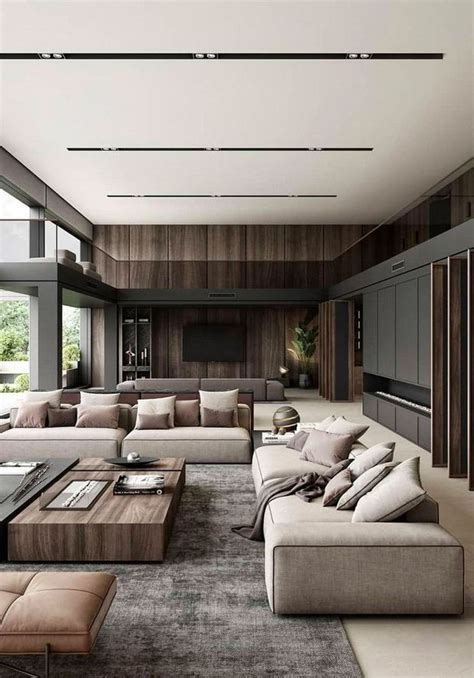
Choosing the correct shape is the foundational step in your selection process. An L-shaped sectional remains the most popular layout for American homes because it fits neatly into corners, maximizes seating without blocking walkways, and defines an open-plan room effectively. For larger families or those who love to entertain frequent guests, a U-shaped configuration offers an immersive, conversational seating arrangement that naturally commands the room.
Modular sectionals take versatility a step further by letting you rearrange individual pieces as your needs change over time. If you move frequently or anticipate a growing family, a modular design allows you to separate, add, or reconfigure components to suit a brand-new floor plan. Chaise sectionals, meanwhile, provide a middle ground for smaller footprints, giving you the luxury of stretching out your legs without the massive footprint of a full U-shaped suite.
Mapping Your Floor Plan Before You Buy
Before falling in love with a silhouette, take precise measurements of your living room, keeping architectural quirks like radiators, pillar posts, and entry doorways firmly in mind. Create a floor plan using painter’s tape on your floor to outline the exact dimensions of the prospective sectional. This visual aid prevents the common mistake of buying a piece that physically fits the square footage but overwhelms the natural traffic flow of the room.
Pay careful attention to the chaise or return side, ensuring it does not block access to your TV console, bookshelves, or patio doors. Considering these spatial parameters ahead of time guarantees that your finished room feels open, breathable, and thoughtfully composed rather than cramped and cluttered.
Selecting Fabrics and Materials for Real Life
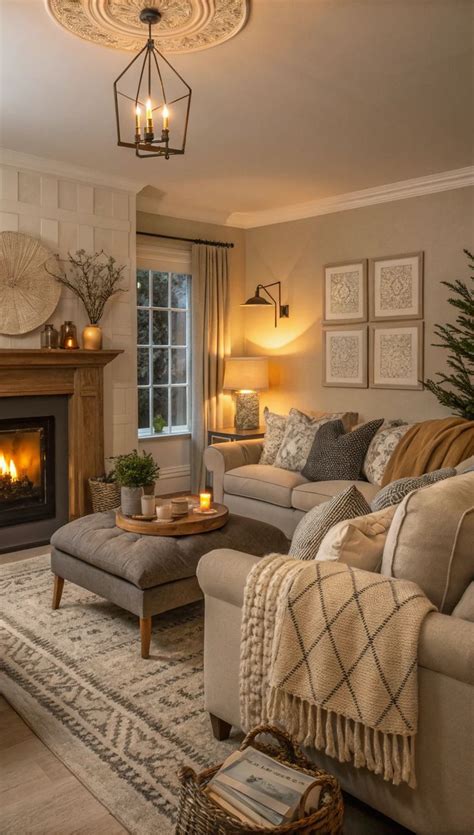
The visual fabric or leather you select dictates not only the aesthetic personality of your living room but also how well the piece survives everyday wear and tear. Performance fabrics have revolutionized American living spaces, offering stain resistance, moisture repellency, and easy cleaning without sacrificing a soft, inviting hand-feel. Families with children or pets often find that tightly woven synthetic blends or treated linens stand up remarkably well to active households.
Leather introduces a timeless, sophisticated texture that patinas gracefully over years of use, making it an excellent investment for traditional or industrial modern spaces. Velvet, on the other hand, delivers rich, saturated color and luxurious softness, injecting high-end drama into formal sitting rooms or eclectic bohemian spaces. When evaluating materials, always request fabric swatches to test how they catch natural light in your specific room throughout the day.
Balancing Plush Cushion Comfort with Structural Support
Comfort is deeply personal, yet structural integrity is entirely objective. When evaluating a sectional, look closely at the inner frame construction, opting for kiln-dried hardwood or high-grade engineered wood joined with reinforced corner blocks. The suspension system underneath the cushions—whether sinuous springs or eight-way hand-tied coils—determines how long the sofa will resist sagging under regular weight.
Cushion fillings also dictate the sit. High-resiliency foam wrapped in down-proof ticking offers a resilient core that bounces back quickly while providing a plush surface layer. If you prefer a firmer, tailored look that requires minimal fluffing, high-density foam blocks maintain crisp lines and steady support over years of movie marathons and afternoon naps.
Frequently Asked Questions
What type of sectional layout works best for small living rooms?
For compact spaces, a small L-shaped sectional or a reversible chaise sectional works best. These configurations maximize seating while maintaining open pathways, preventing the room from feeling blocked off or visually congested.
Are modular sectionals durable enough for daily family use?
Yes, high-quality modular sectionals are exceptionally durable. Look for models featuring heavy-duty connecting brackets underneath the pieces to lock the modules securely in place, preventing them from shifting apart during regular use.
How can I style a large U-shaped sectional so it doesn’t overwhelm the room?
Anchor a large sectional with a appropriately scaled area rug that sits at least under the front legs of the furniture. Keep surrounding decor light and airy, use low-profile coffee tables, and incorporate neutral throw pillows and blankets to soften the visual weight.
What is the easiest fabric to maintain on a busy household sectional?
Tightly woven synthetic performance fabrics, such as treated polyester or microfiber blends, are generally the easiest to maintain. They resist liquid absorption and clean easily with mild soap and water.


