Choosing the right floor covering is often the missing puzzle piece when bringing a cohesive look to an American home. Whether you live in a high-rise downtown apartment or a suburban townhouse, rugs do more than just add color; they anchor furniture, absorb sound, and establish distinct zones within open-concept layouts. Selecting pieces that balance contemporary urban design with everyday durability requires careful consideration of room traffic, scale, and texture.
When evaluating options, homeowners and renters alike must weigh aesthetic goals against practical realities like maintenance, pet friendliness, and foot traffic patterns. By understanding how different weaves, pile heights, and dimensions interact with specific areas of the house, you can transform bare floors into curated, inviting foundations that elevate your interior aesthetic.
Defining Open-Concept Living Rooms with Statement Rugs
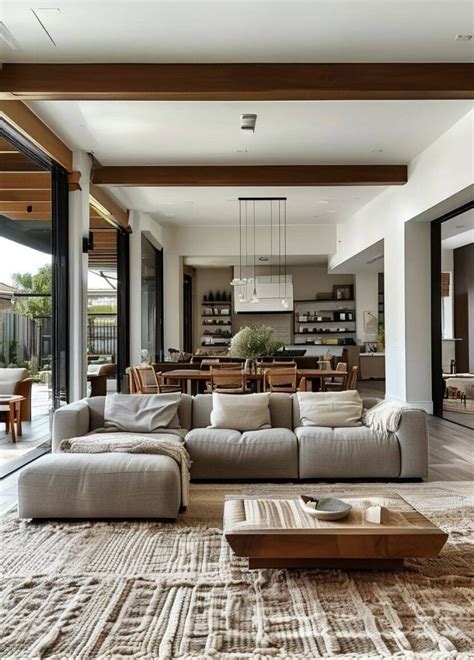
In modern U.S. residences, open-concept floor plans are common, often combining living, dining, and kitchen areas into a single expansive zone. Without physical walls to separate these functions, a well-chosen area rug acts as a visual boundary. A bold, contemporary geometric rug or a subtle neutral texture can instantly demarcate the conversation area, signaling where the living room begins and ends.
To achieve a balanced look, ensure your living room rug is large enough to accommodate your furniture layout properly. A common mistake in American living spaces is choosing a rug that is too small, which makes the room feel disjointed and cramped. Ideally, select an 8×10 or 9×12 foot rug that allows at least the front legs of your sofa and armchairs to rest comfortably on the surface, pulling the seating arrangement together into a unified vignette.
Creating Cozy Sanctuaries in the Bedroom
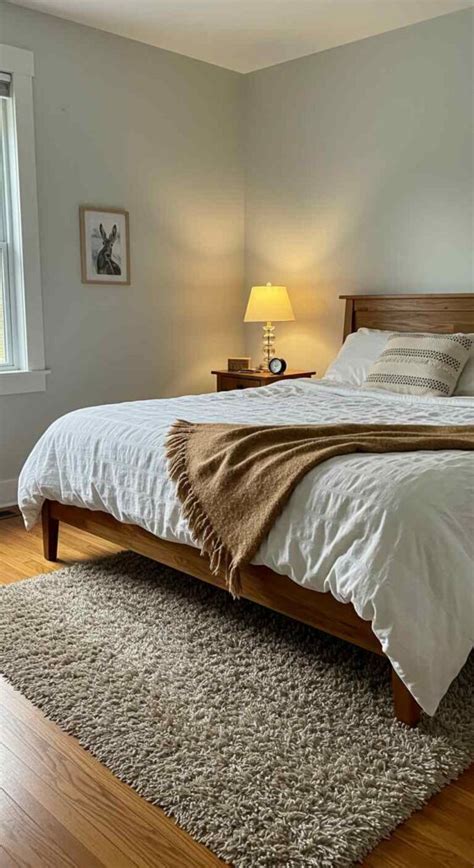
Bedrooms demand a shift in texture and mood compared to active living areas. Here, the primary objective is comfort and tactile warmth underfoot. Waking up on a chilly morning is much more pleasant when your feet land on a plush wool blend, a high-pile shag, or a textured natural fiber rug. In addition to physical comfort, bedroom rugs contribute significantly to sound insulation, dampening echoes and creating a quiet, restful retreat.
Placement in the bedroom depends largely on your bed size and room proportions. For a standard queen or king bed, placing an oversized rug horizontally across the room allows it to extend a couple of feet beyond the sides and foot of the bed, creating a luxurious frame. Alternatively, runners placed on either side of the bed offer a softer visual approach while providing targeted warmth where you step out every morning.
Selecting Durable and Low-Profile Entryway Rugs
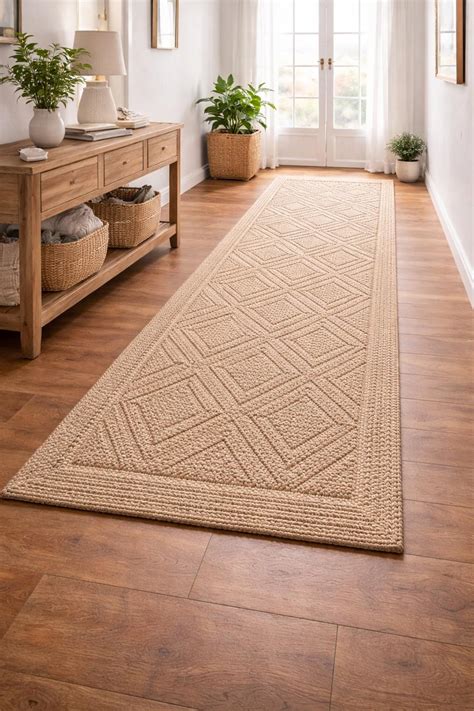
The entryway serves as the transition zone between the bustling outside world and your private indoor sanctuary. Because this space experiences high foot traffic, dirt, moisture, and changing weather conditions, durability is the top priority. Low-profile flatweave rugs, indoor-outdoor synthetic blends, or tightly looped natural fibers like jute and sisal work exceptionally well here because they resist crushing and allow doors to open and close smoothly without snagging.
When styling an entryway, functionality should dictate your choice of material and backing. Non-slip rug pads or built-in rubber backings are essential to keep the runner or small accent mat securely in place on hardwood or tile floors. Opt for patterns or darker, heathered colorways that naturally camouflage tracked-in dirt and debris between regular vacuuming sessions, keeping your foyer looking polished and welcoming with minimal effort.
Mastering Scale, Proportions, and Layering Techniques
Scale is the ultimate design principle when integrating rugs into various rooms. A rug that overwhelms a compact urban living room can make the space feel smaller, while a postage-stamp rug in a large room looks out of place. Before purchasing, use painter’s tape on your floor to outline the potential dimensions, ensuring the rug leaves an even border of exposed flooring—typically 12 to 18 inches—around the perimeter of the room.
For renters or design enthusiasts looking to add extra depth and personality, layering is an effective technique. Start with a large, neutral, flatweave jute or sisal rug as a foundation, then layer a smaller, patterned vintage-style or faux-hide rug on top. This approach allows you to introduce trendy colors or delicate textures into your decor without committing to a massive, high-maintenance statement piece across the entire floor.
Frequently Asked Questions
What size rug do I need for a standard living room?
For most standard living rooms, an 8×10 or 9×12 foot rug is recommended. The key rule is to ensure that at least the front legs of all major seating pieces—such as your sofa and armchairs—rest on the rug to create a cohesive, anchored furniture grouping.
How do I clean and maintain natural fiber rugs in high-traffic areas?
Natural fiber rugs like jute or sisal require regular vacuuming without the beater bar engaged to prevent fiber damage. Blot spills immediately with a clean, dry white cloth, and avoid excessive water saturation, as natural plant fibers can stain or weaken when soaked.
Can I place a rug directly over wall-to-wall carpeting?
Yes, layering an area rug over wall-to-wall carpet is a great way to add color, pattern, and definition to a rental or carpeted room. Choose a flatweave or low-pile rug to place on top, and use a specialized carpet-to-carpet rug pad to prevent shifting and bunching.
What materials are best for pet-friendly urban homes?
For homes with pets, synthetic materials like polypropylene, nylon, and washable indoor-outdoor blends are ideal because they resist stains, withstand heavy cleaning, and do not trap claws the way loose loop wool or shaggy pile rugs might.


